

Table of Contents
triple pane energy-efficient windows have become the go-to home upgrade for cutting monthly utility bills and boosting indoor comfort, especially in climates with temperature extremes. In this guide, you’ll get actionable insights, see real savings numbers from 2023 and 2024, and learn step-by-step how to install, evaluate, and maximize the ROI of triple pane energy-saving windows — with none of the fluff or hype.
Key Takeaways
- Upgrading to triple pane energy-efficient windows can save $420 to $600 per year on utilities in cold climates, with a 5-17 year payback depending on climate and installation quality.
- Poor installation is the leading pitfall, undermining energy savings and noise reduction; choose certified pros offering strong warranties.
- Costs and rebates vary; always calculate ROI based on your home size and climate, and seek current local incentives for maximum savings.
- What Are Energy-Efficient Windows and Why Upgrade?
- How to Choose and Install Energy-Efficient Windows: Step-by-Step
- Advanced Analysis & Common Pitfalls of Energy-Efficient Windows
- Conclusion: Are Energy-Efficient Windows Worth It?
- Frequently Asked Questions
What Are Energy-Efficient Windows and Why Upgrade?
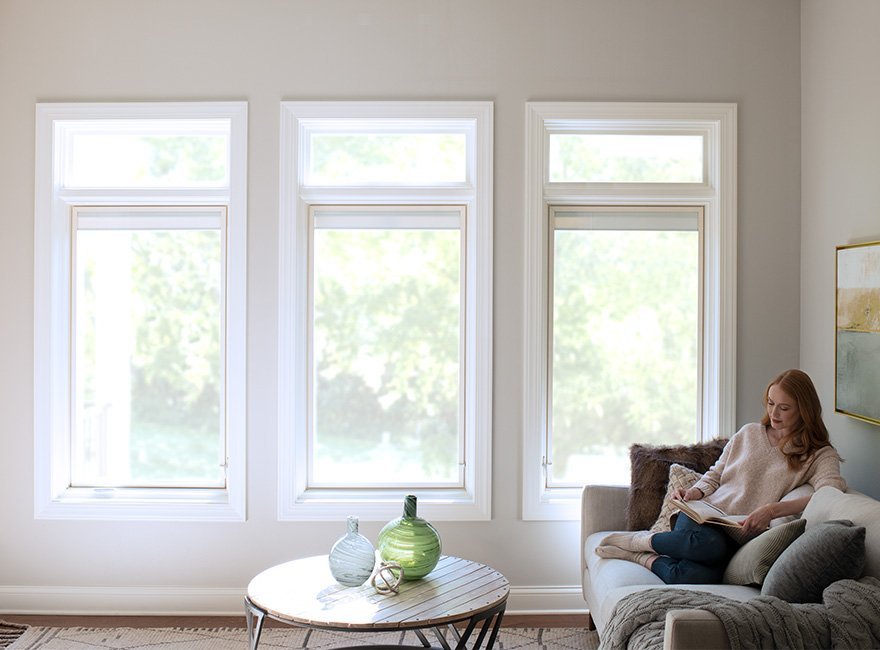
Energy-efficient windows use advanced glazing (double or triple panes), gas fills, and insulated frames to reduce heat loss in winter and keep your home cool in summer. According to recent 2024 analysis by the U.S. Department of Energy, swapping out single-pane windows for ENERGY STAR triple pane models leads to yearly utility bill savings of $420 to $600 in cold regions, and up to 30% lower heating and cooling costs overall. These windows also make rooms noticeably more comfortable, keeping glass surfaces 8 to 12 degrees warmer in winter and sharply reducing street and traffic noise.
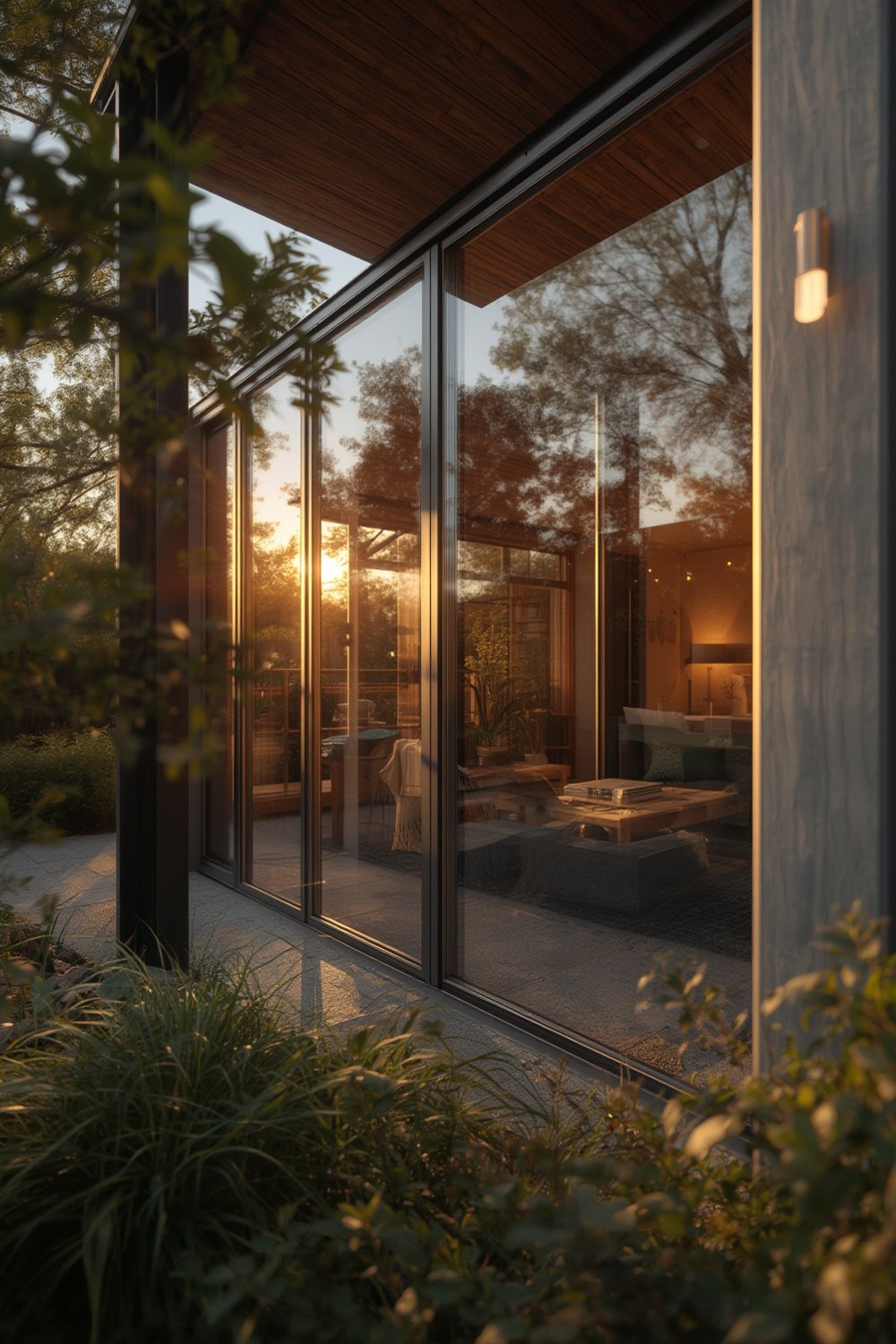
Despite the higher upfront cost, most homeowners see a strong return on investment (ROI) through lower energy costs and increased home value. To maximize benefits, installation quality is critical and regional climate should guide your choice between double or triple panes. For a complete review of the most effective modern approaches to home insulation, see our energy upgrade guide.
How to Choose and Install Energy-Efficient Windows: Step-by-Step
- Assess Your Climate and Needs:
For homes in zones six to eight (frigid northern states), triple pane is typically the most cost-effective upgrade. In milder regions, high-quality double pane may offer the best value. - Compare Efficiency Ratings:
Prioritize windows with a U-factor of 0.15 to 0.25 (the lower the better), Solar Heat Gain Coefficient (SHGC) between 0.20 and 0.25 for hot regions, and air leakage ≤0.1–0.15. Look for ENERGY STAR and performance documentation. - Evaluate Frame and Glass Technology:
Triple pane models should use argon or krypton gas fills in both chambers, Low-E (low emissivity) coatings on multiple surfaces, and insulated, durable frames (fiberglass or composite outperform vinyl and aluminum in harsh climates). - Get Professional Quotes & ROI Estimates:
Ask for detailed, line-item quotes for triple and double pane options, including full installation. Inquire about warranties, realistic ROI projections, and gather contractor references. - Check for Rebates and Incentives:
Start with the latest ENERGY STAR documentation. Contact your utility provider and state energy office for current window rebate programs, but verify deadlines and eligibility as they change frequently. - Schedule Installation with Pros Only:
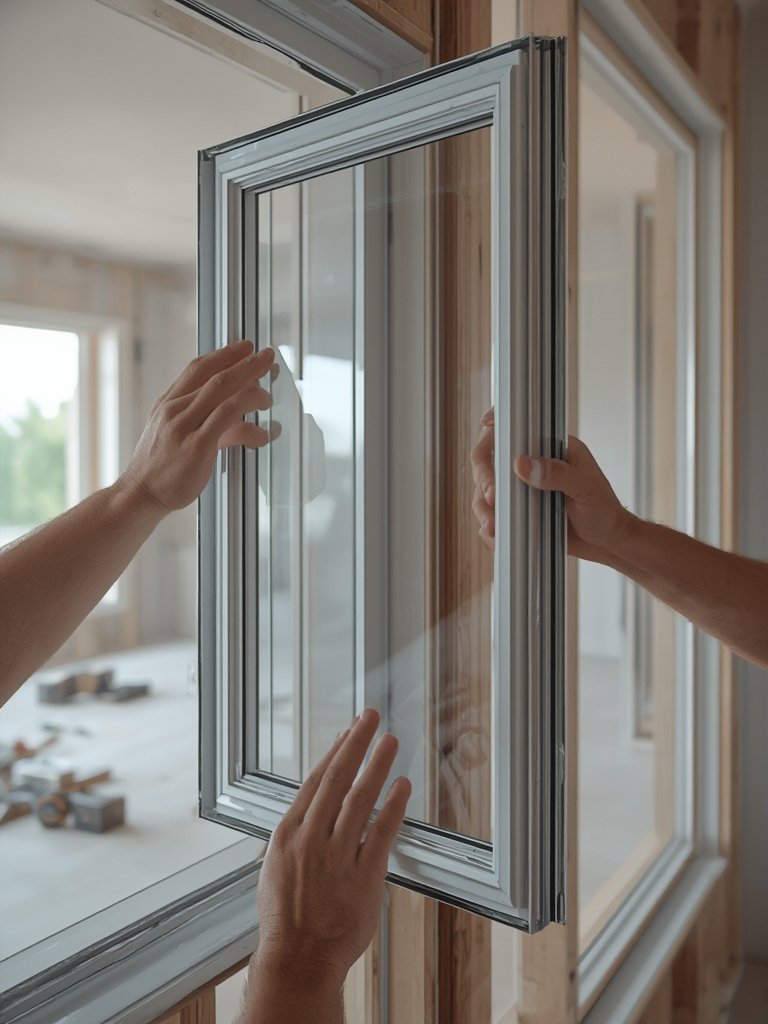
DIY installs often void warranties and can slash efficiency—professional installation is required for true performance and resale value. - Verify Post-Install Performance:
After install, check for drafts, condensation on interior glass, and even surface temperatures. Insist on correcting any air or water leaks right away.
For more details on maximizing project efficiency and stacking energy-saving upgrades, see our bathroom remodeling guide and our smart kitchen recycling bins post for eco-friendly tips.
Advanced Analysis & Common Pitfalls of Energy-Efficient Windows
The efficiency of new windows isn’t just about glazing thickness or style. According to research, most performance failures and negative reviews are directly tied to poor installation, not the product’s design.
- Pitfall 1: Bad Installation Undermines Savings
A botched install can reduce your window’s rated energy performance by up to 30%. It also wrecks soundproofing (up to 40% less noise reduction) and leaves drafts that negate the upgrade. Always verify contractor credentials and require written warranties. (Read research) - Pitfall 2: Sticker Shock & Extended Payback
Triple pane windows cost 25% to 40% more than quality double pane models—often $5,000 to $7,500 extra for a 25-window home. Average triple pane ROI in cold regions is 11–17 years; in milder zones, the full payback period may stretch to 20+ years. Always compare both options for your region. - Pitfall 3: Overlooking Local Rebates & Incentives
Many homeowners miss out on significant rebates from utilities or governments simply because they don’t check eligibility windows or complete paperwork correctly. Incentives change yearly, so verify before work begins. - Pitfall 4: Poor Documentation & Missed Home Value Impact
Not keeping invoices and warranty paperwork often means missing out on claiming increased home value or future service. Upgrades can boost resale value by up to 68% of cost, but only with documentation.
To compare costs, savings, and feature differences, review this recent market table:
| Home Size Example | Double Pane Cost (Installed) | Triple Pane Cost (Installed) | Annual Savings (Triple Pane) | Sources |
|---|---|---|---|---|
| 25-Window Two-Story (Minneapolis) | $15,000–20,000 | $20,000–27,500 | $450–600 | Case Study 1 |
Triple pane windows offer a U-factor between 0.15 and 0.25, up to 20% less heat loss than high-end double pane units, and an R-value of 7–8 for unmatched insulation in extreme climates. (More technical info)
If your home sits in a challenging region or you are combining upgrades like floating wall shelves with insulation retrofits, it often pays to get all work quoted at once for bundled savings.
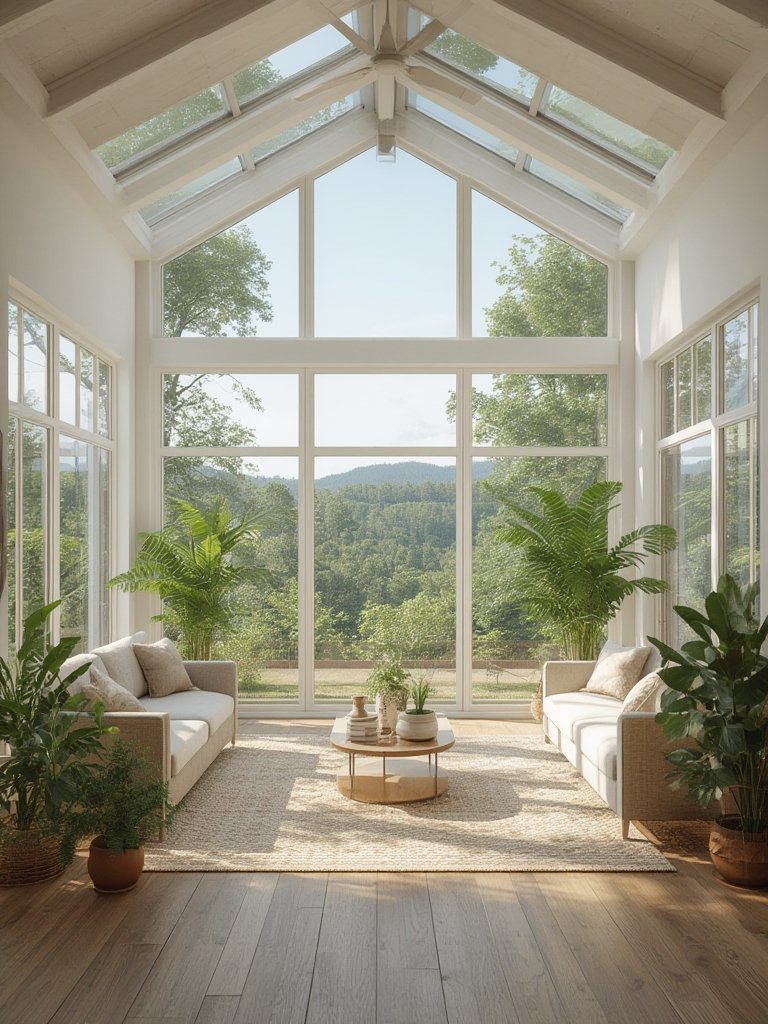
For more issues you might run into (condensation, house settling, or incompatible hardware), our window repair guide covers troubleshooting and long-term care.
Conclusion: Are Energy-Efficient Windows Worth It?
Energy-efficient windows—especially triple pane models—deliver real-world savings and boost home comfort if you choose the right product for your region and demand top-tier installation. Expect a noticeable drop in utility bills (up to $600/year in cold states), warmer rooms, less noise, and higher resale value. However, high upfront costs mean payback ranges from 5 to 20 years based on climate and window type. Always get multiple quotes, check for local incentives, and never skimp on installation quality. If you want to future-proof your home and see long-term ROI, energy-efficient windows are one of the best home upgrades you can make.
Ready for more expert home strategies? Explore our smart shelving tips or get the full scoop on boosting your home value with the right improvements.
Frequently Asked Questions
How much do energy-efficient windows cost to install?
Triple pane windows cost about $20,000 to $27,500 installed for a 25-window two-story home in Minneapolis—roughly 25% to 40% more than double pane units. Costs vary based on region, materials, and installation quality.
Are energy-efficient windows worth the extra cost?
In colder climates, the added insulation and energy savings of triple pane windows make the investment worthwhile, cutting yearly utility bills by $420 to $600. Payback takes longer in milder climates.
What rebates are available for energy-efficient windows in 2024?
Federal, state, and utility rebates change yearly and may require ENERGY STAR certification. Check current details with your local energy office and utility provider before starting your project.
What’s the difference between double and triple pane windows for energy savings?
Triple pane windows offer 15% to 20% better insulation, up to 30% lower heating and cooling costs, superior noise reduction, and warmer interior glass than double pane windows—but cost about 25% to 40% more upfront.
What’s the biggest mistake when upgrading to energy-efficient windows?
Poor installation. Shoddy workmanship negates energy savings and warranties. Always hire certified professionals and demand proper documentation for the best results and home resale value.