

Table of Contents
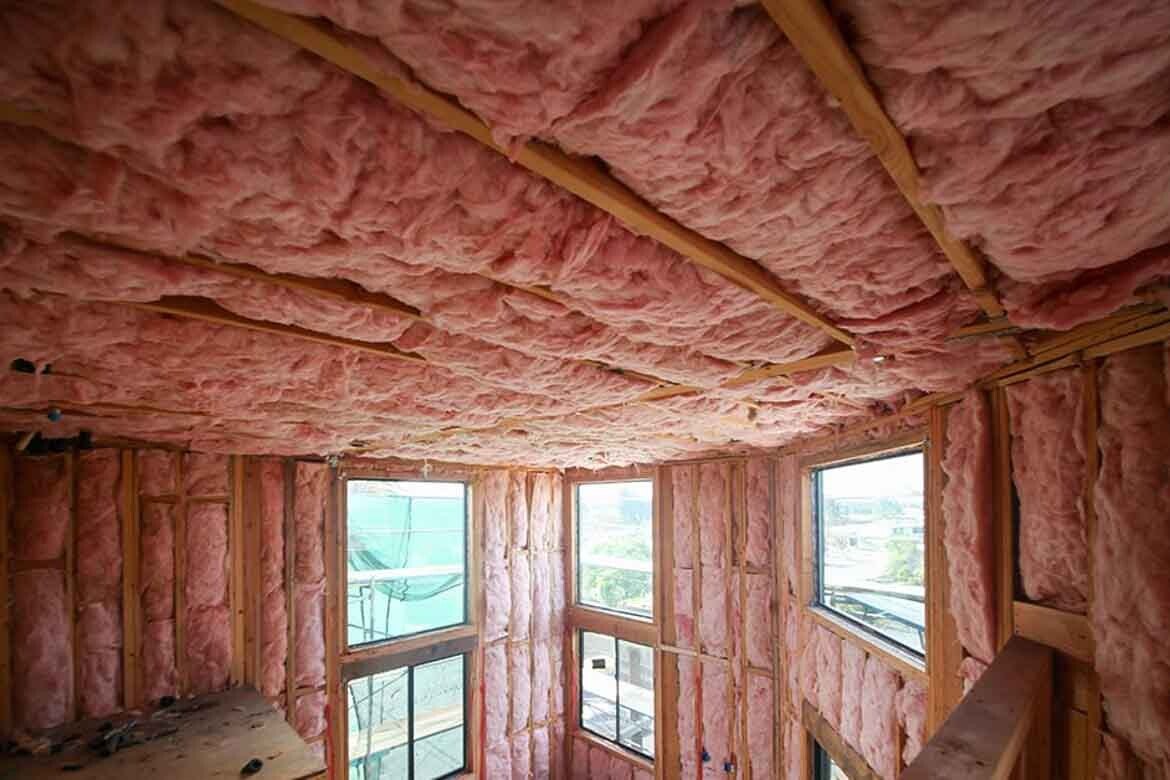
Home insulation supplies are often overlooked until energy bills start rising or a drafty room makes comfort hard to achieve. In 2024, choosing the right insulation materials and understanding costs can make a big difference to your home’s efficiency, warmth, and overall value.
Key Takeaways
- Average loft insulation for a 3-bedroom UK home now costs £900–£930, but prices vary by type and size.
- Choosing the right home insulation supplies directly impacts annual savings, comfort, and long-term payback.
- Understanding pitfalls such as hidden costs and installation challenges protects you from expensive mistakes.
- What Are Home Insulation Supplies and Why Care?
- Step-by-Step Guide to Selecting and Using Home Insulation Supplies
- Advanced Analysis & Common Pitfalls
- Conclusion
- FAQ
What Are Home Insulation Supplies and Why Care?
Home insulation supplies refer to the materials and products used to slow heat loss and boost energy efficiency in buildings. Whether you’re topping up your attic, upgrading your walls, or starting from scratch, getting insulation right helps you save money, live more comfortably, and cut your carbon footprint.
With energy prices unpredictable and government guidelines pushing for thicker insulation (270mm in the UK for a U-value of 0.15W), smart choices about home insulation supplies matter now more than ever. Material selection, installation strategy, and up-to-date costs all shape your home’s financial future.
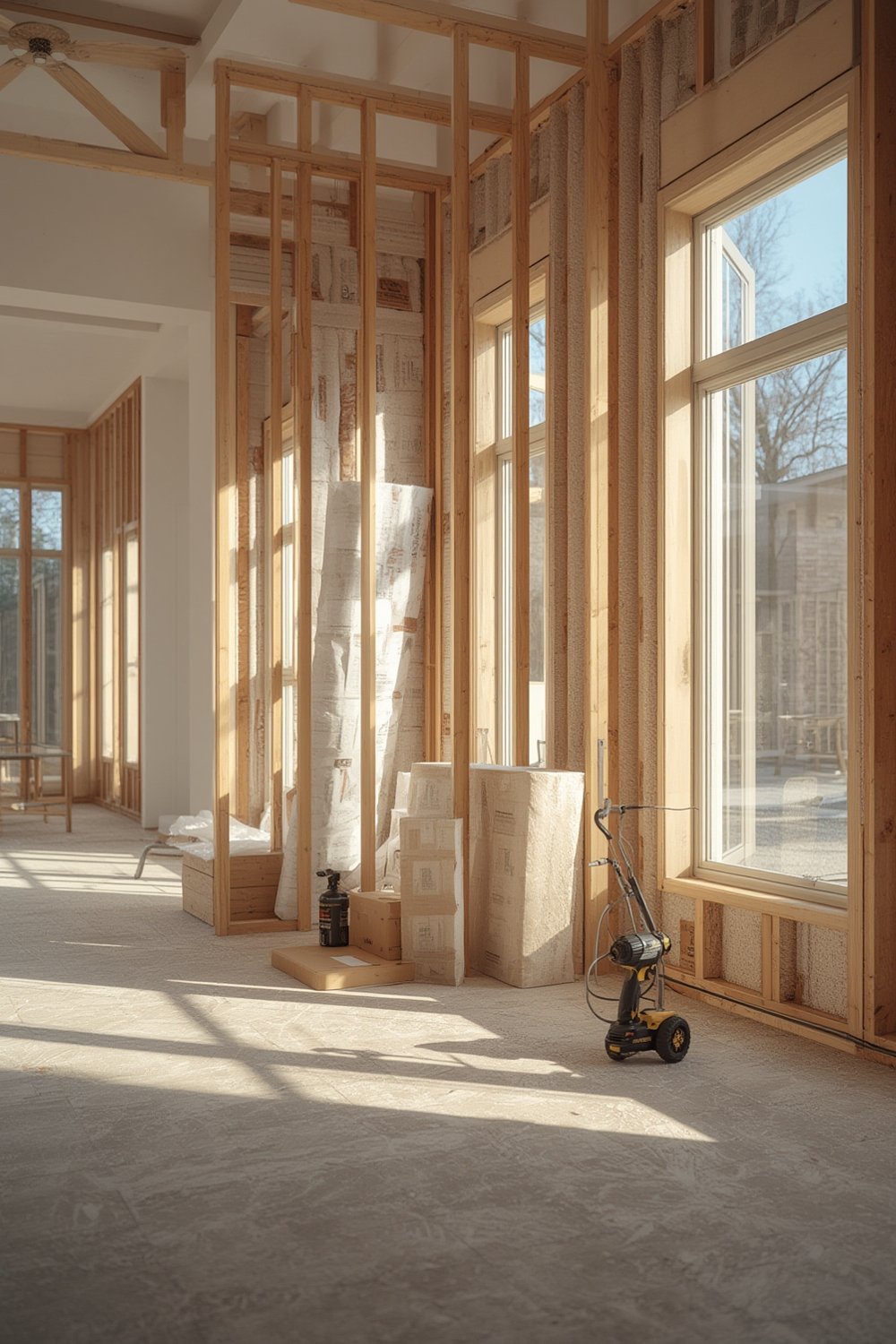
The most common home insulation supplies in the UK include:
- Quilt/Blanket rolls (glass wool, mineral wool, sheep’s wool)
- Loose-fill and blown-in insulation
- PIR insulation sheets
- Spray foam insulation
- Cellulose (for eco-friendly filling)
Costs in 2024 average between £10–£37 per m² depending on material, and you can expect to pay £900–£1,200 for a typical semi-detached house—including labor. That investment most often pays back in two years with annual savings on energy bills of £115–£215. For full UK pricing breakdowns, reference this comprehensive guide.
Step-by-Step Guide to Selecting and Using Home Insulation Supplies
Every home and situation is unique, but here’s how to approach insulation upgrades or replacements in practical, actionable steps.
- Audit Your Current Insulation
Check the existing loft, attic, or wall insulation. Use a tape measure to see if the thickness meets the current recommendation (typically 270mm for lofts). Older homes often have only 100mm–150mm, allowing easy savings with a top-up. - Calculate Material Needs
Multiply length by width to get square meters. For uneven spaces, break them into rectangles and add the totals. Write down the totals for each area—attic, loft, and wall. - Choose Insulation Type by Area
- Attics/Lofts: Use quilt/blanket for exposed joists or PIR sheets for flat surfaces. Blown-in is better for tight access.
- Walls: Cavity wall insulation may need professional install. PIR or other rigid boards are suitable for DIY stud walls or dry lining projects.
- Eco-Friendly: Try sheep’s wool rolls or cellulose loose-fill for sustainability and healthy air.
See this resource for more on material types and costs.
- Compare Prices and Purchase Supplies
Check local and online suppliers. Prices per m² may be lower in urban areas, but always compare delivery fees for remote or rural addresses.
Some specialist stores like Lowe’s, Homebase, and local merchants may stock different thicknesses or eco-brands. For help planning your shop visits, see our guide to finding home improvement near you. - Prepare the Area
Clear out the space. Tidy debris, old insulation, stored items, or animal droppings. Wear gloves, a mask, and long sleeves to avoid skin or respiratory irritation. - Install Your Insulation (or Hire a Pro)
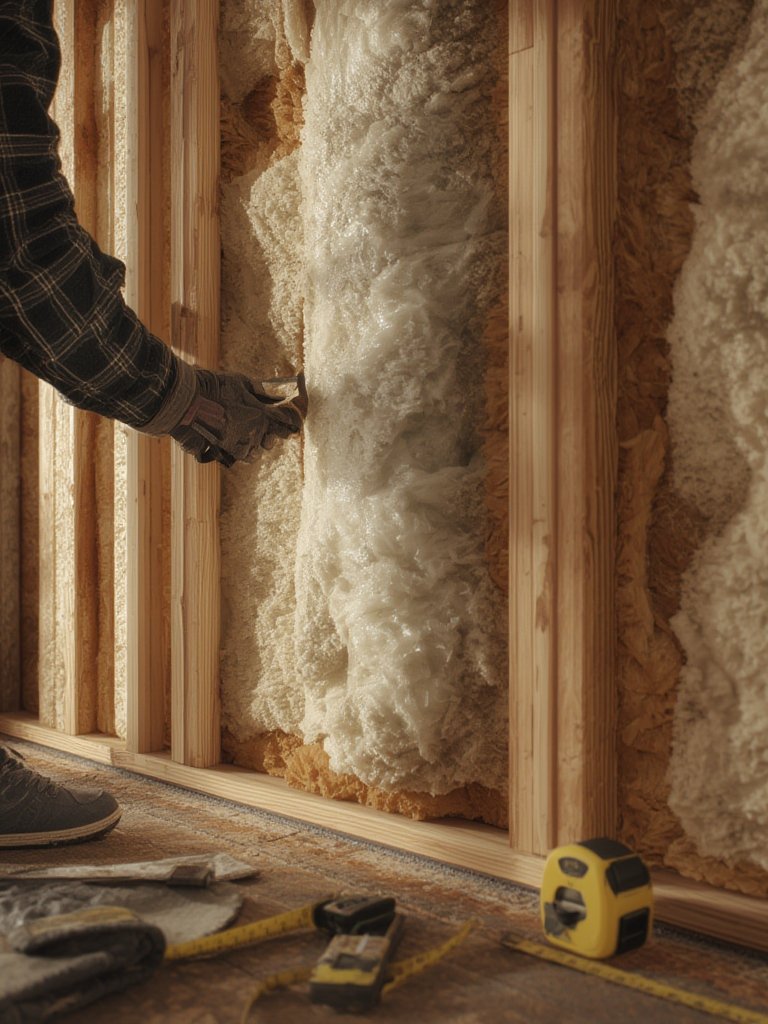
Roll or lay blanket insulation between joists, not compressing it. Loose-fill gets poured or blown-in insulation evenly. PIR sheets must be cut to fit tightly. Always follow the manufacturer’s instructions and watch for wiring, pipes, or loft hatches. If unsure, use a professional—labor averages £250 per day in 2024 (reference). - Finish, Inspect, and Seal
Place a full vapour barrier where needed. Replace loft boards or finish the installation area as required.
Insulating is a prime opportunity to declutter and organize too—for further tips, see our wall shelves floating stylish guide or smart kitchen cabinet and drawer organization post.
Finally, track your energy bills after installation for proof of savings and peace of mind.
Advanced Analysis & Common Pitfalls
Real-world insulation projects rarely go exactly as planned. Here are some practical pitfalls and points to consider before you start—and how to address them.
- Underestimating Material and Costs
It’s easy to underestimate how much material you’ll need—especially for irregular lofts or large gaps. Always buy about 10% extra. - Ignoring Ventilation Needs
Blocking roof ventilation can lead to condensation and long-term mold problems. Leave eaves vents clear and never obstruct airflow. - Choosing the Wrong Material
Some cheaper insulation supplies are unsuitable for damp or uneven spaces. Rigid PIR sheets are efficient but fit poorly in uneven lofts, leading to gaps. Loose-fill is good for odd-shaped areas but may settle and compress over time. - Surprise Labour Costs
Day rates for insulation installers can reach £250, especially in high-cost regions or small rural towns due to travel surcharges (source). - DIY Risks
Inexperience or skipping safety gear may result in skin rashes or worse. If in doubt, hire a pro. - Overlooking Eco-Alternatives
While major stores carry mineral wool and PIR, eco-friendly cellulose and sheep’s wool rolls are less available in remote regions and may take longer to deliver.
| Insulation Material | Cost per m² (2024 UK) | Area Best For | Installation Complexity | Estimated Lifespan |
|---|---|---|---|---|
| Glass Wool Quilt/Blanket | £10–£13 | Loft, attic, between joists | Easy | 40 years+ |
| Mineral Wool | £13–£17.5 | Loft, cavity wall | Easy | 30–50 years |
| Loose-fill/Blown-in | £12–£18 | Tight lofts, cavities | Moderate | 25+ years (may settle) |
| PIR Sheet | £21.5–£35 | Floors, flat lofts, dry lining | Requires tools | 40 years+ |
| Spray Foam | £37+ | Complex loft, awkward spaces | Professional install | 30–40 years |
| Sheep’s Wool Roll | £17.5–£22 | Eco homes, loft, dry spaces | Easy | 20–40 years |
The payback window for most insulation upgrades is 2 years, with the biggest energy savings coming from loft and attic insulation (see full breakdown). Annual savings of £115–£215 are realistic for semi-detached homes.
Want to maximize your home’s efficiency? Consider adding smart kitchen recycling bins or check out our rustic dresser for bedroom guide for storage ideas while remodeling.

Conclusion
Homeowners who invest in the right home insulation supplies see dramatic improvements in comfort and energy costs, especially when following the steps above and avoiding pitfalls. In 2024, options are broader—from eco-friendly sheep’s wool to value glass wool rolls—but the principles stay the same. Choose carefully, budget wisely, and your home will reward you with comfort year-round.
If you want to see long-term savings and a warmer home, take action with loft insulation supplies now. Measure, compare, insulate—and enjoy a cosier, more efficient space. For more tips, visit our ultimate smart wall shelves or connect with local stores using our finding lowes and the best home improvement resource.
FAQ
How much will I save on my energy bills with new insulation?
According to the Energy Saving Trust, the average homeowner with new loft insulation can save £115–£215 per year, with a typical payback period of two years.
Is it worth going for eco-friendly insulation materials?
Eco-friendly materials like sheep’s wool or cellulose can be worth it, especially for allergy sufferers or for those wanting to reduce environmental impact, though availability and cost may vary.
Can I install home insulation supplies myself?
DIY installation is straightforward for blanket and some sheet insulation, but loose-fill, blown-in, or spray foam often require professionals for safety, efficiency, and best results.
Which is better: blanket, loose-fill, or PIR insulation?
Blanket/quilt is best for accessible lofts and DIYers, loose-fill suits tight areas but may settle, PIR sheets excel in stud walls and floors but cost more.
What is the recommended insulation thickness in 2024?
The UK government recommends 270mm in lofts to achieve optimal energy savings and meet U-value guidelines.