

Table of Contents
Biophilic interior design is transforming homes and workspaces in 2024, blending natural elements indoors for better health, mood, and style.
Key Takeaways
- Biophilic interior design is the top trend in 2024, especially for residential spaces, driving healthier and more inspiring environments.
- Common pitfalls include hidden installation costs, sourcing challenges, and maintenance issues with natural materials like reclaimed wood and living walls.
- Integrating dynamic plants, nature-inspired tech, and unique salvaged wood designs sets you apart from basic plant decoration.
- The Core Concept: What Is Biophilic Interior Design and Why Is It Everywhere?
- Step-by-Step Guide: Bringing Biophilic Interior Design Into Your Home
- Advanced Analysis & Common Pitfalls
- Conclusion
- FAQ
The Core Concept: What Is Biophilic Interior Design and Why Is It Everywhere?
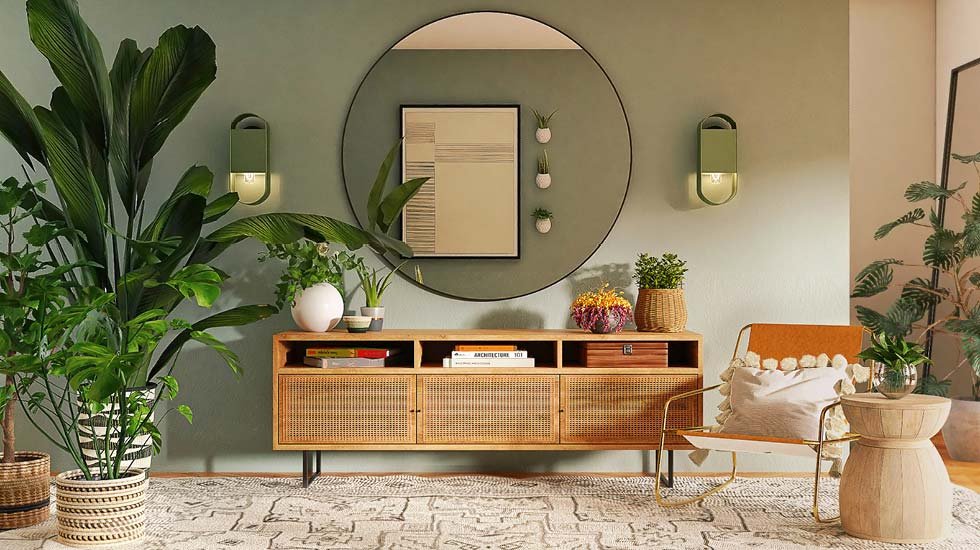
Biophilic interior design intentionally brings nature indoors, using elements like plants, stone, wood, and abundant daylight to improve our well-being. In 2024, it’s more than just a trend: it’s dominating global design expos and everyday renovations. Americans now spend about 90% of their time indoors. This has caused a surge in demand for biophilic elements, seen in everything from green roofs and living walls to smart, eco-conscious decor choices in both homes and commercial spaces.

The main goal? To blur the boundary between inside and outside. When done right, biophilic spaces don’t just look good — they can reduce stress, support mental clarity, and even foster creativity as shown by wellness-based architecture research. High-profile publications highlight its residential dominance: think lush “urban jungle” living rooms, natural wood and stone in kitchens, home offices with nature-inspired tech, and restful bedrooms that pull in fresh air and daylight.
In restaurants and offices, biophilic design supports employee wellness, sustainability, and better dining experiences. But the fastest growth and boldest adoption is happening in private homes, as homeowners seek both a sanctuary and a statement space. If you’re considering a remodel, explore remodel guides to align practical upgrades with nature-forward design.
Step-by-Step Guide: Bringing Biophilic Interior Design Into Your Home
Tapping into biophilic interior design does not require an architect or an unlimited budget. Here’s how to get it right, even in small apartments or older homes.
- Let in natural light. Maximize window areas. Use sheer curtains, move bulky furniture, and install mirrors to bounce daylight deeper into rooms. If you’re considering window upgrades, get the latest cost and energy savings from our energy-efficient windows guide.
- Choose natural materials. Think beyond just hardwood floors. Use reclaimed wood, branches, or stubs for wall features, shelving, or mantels. Incorporate stone (mosaic backsplashes, fireplace surrounds) in areas with minimal humidity swings. Mix textures and tones: rough stone with smooth wood, woven grass alongside polished metals. For shelf ideas, see wall shelves floating.
- Add real plants strategically. Select hardy, low-maintenance species for the right light levels. Group potted plants at different heights and layer with hanging or trailing varieties. If you don’t want to commit to a living walls, try regularly rotating a “feature” plant corner to keep things fresh. Use our plant pots guide for decorative options that suit both plant health and interior style.
- Layer nature-inspired technology. Integrate smart lighting that replicates daylight cycles to boost mood and sleep. Nature-inspired sound machines or smart irrigation (for plant walls) reduce ongoing maintenance. For tech upgrades, check the smart lighting systems guide for ideas and savings.
- Bring the outdoors in (and vice versa). Use reclaimed outdoor elements — like driftwood, small boulders, or upcycled garden tools — as conversation pieces. Extend the visual flow by coordinating window views, balcony plantings, and indoor nature elements.
- Mix patterns and finishes for authenticity. Nature is rarely tidy or monochrome. Combine rough and smooth, light and shadow, old and new. If you want a coordinated rustic look, refer to our rustic dresser for bedroom style guide.
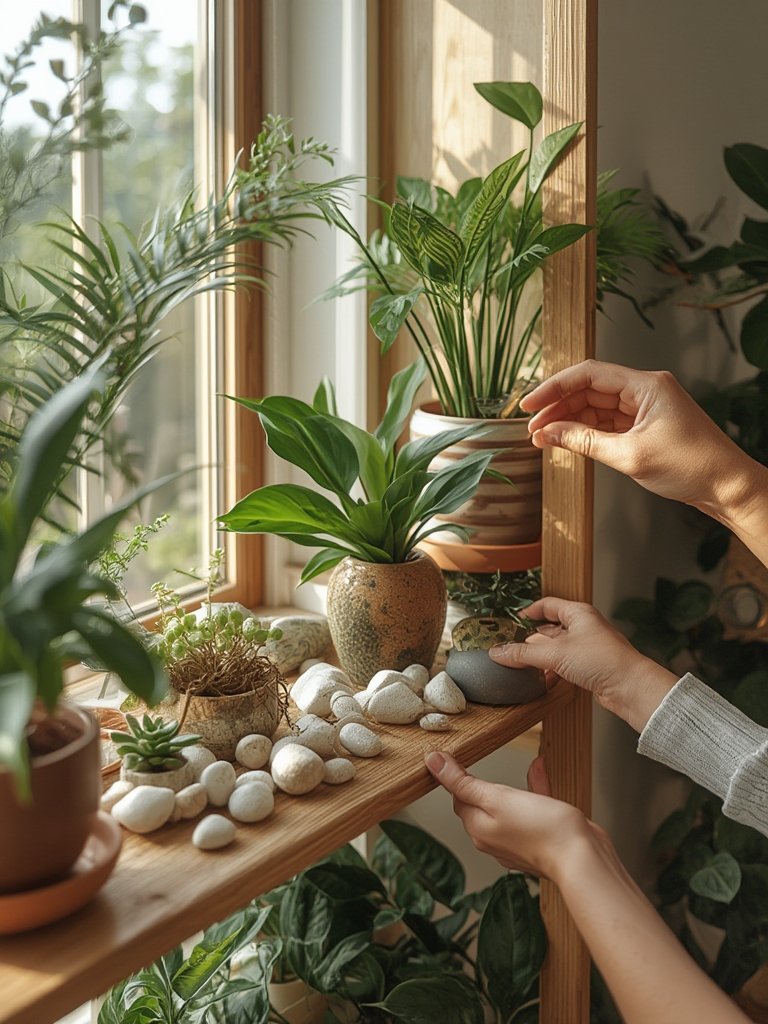
- Prioritize sustainability in sourcing. Choose FSC-certified woods where possible, and repurpose existing furniture or salvaged materials. If possible, ask for documentation or supplier transparency, even when buying from second-hand markets or flea sales.
- Include dynamic plant displays. Unlike static green walls, use mobile installations or rotating plant panels to create movement and regular change. This keeps rooms engaging and refreshes air more evenly.
- Test before committing. Temporarily add plants, rugs, or wood decor in small doses — live with them for a week. Note any maintenance annoyances, light needs, or color clashing before tackling big changes like wall paneling or built-ins.
Advanced Analysis & Common Pitfalls
The reality of biophilic interior design isn’t always smooth. Popular articles highlight positive results, but here’s what designers and homeowners often overlook:
- Sourcing Issues: Reclaimed wood, stone slabs, or unique branches can be hard to find, especially with growing demand for sustainable materials.
- Installation Challenges: Older homes may need extra structural support for stone or heavy reclaimed wood. Moisture barriers and building codes can add time and hidden costs.
- Maintenance and Allergies: Living walls, plant clusters, and natural materials require ongoing care. Mold, pests, and allergens are risks if not maintained well.
- Lack of Real-World Data: While general studies show mood and productivity boosts, there are few publicized case studies with before-and-after metrics or detailed regret/feedback reporting.
- Missed Cost Comparisons: Trend reports call biophilic design “inexpensive,” but costs vary: DIY pots and plants are cheap; living walls or custom stone can be expensive. See the table below for a basic overview.
- Sustainability Certification Gaps: Despite talk of eco-conscious materials, most suppliers do not detail certifications (like FSC or LEED). Buyers must ask directly or research independently for verification.
| Material | Sourcing Ease | Installation | Upkeep | Potential Issues |
|---|---|---|---|---|
| Reclaimed Wood | Moderate (local salvage yards) | Medium (may require custom fitting) | Low to Medium (dusting, sealing) | Sourcing transparency, warping, pests |
| Natural Stone | Difficult (heavy, less available sustainably) | High (may require permits or structure changes) | Low (occasional sealing/cleaning) | Cost overruns, excess weight, coldness |
| Living Plants | Easy to Moderate (depending on species) | Low (pots) to High (walls/irrigation) | Medium to High (watering, pest control) | Allergens, mold, light needs, pet safety |
| Nature-Inspired Tech | Easy (widely available online) | Low (DIY install) | Low (software updates, bulb changes) | App dependence, upfront cost |
For a smoother experience, start small: test with portable plants or wood decor from trusted local suppliers. If you’re tackling bigger jobs (kitchen upgrades, living room redesigns), explore our kitchen tools guide for clever upgrades that can pair with your biophilic concept.
Conclusion
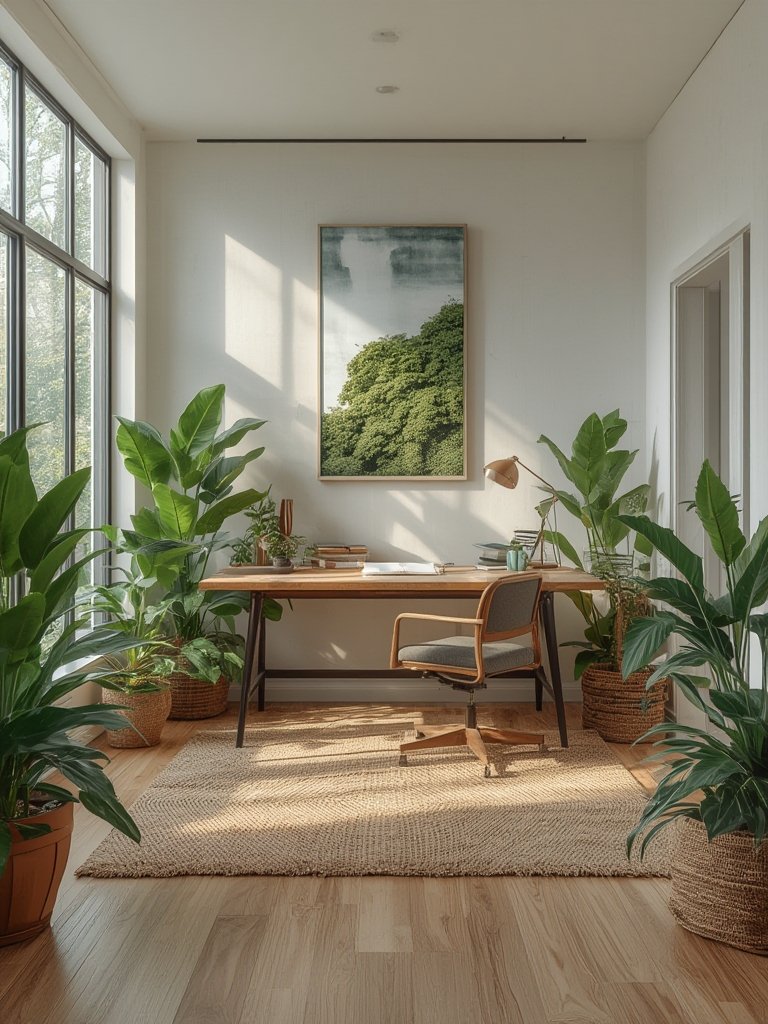
If you want rooms that restore energy, lift your mood, and offer timeless style, biophilic interior design is the strongest trend of the year. The movement is reshaping how Americans remodel homes, with residential spaces at the forefront. Start simple: focus on live plants, reclaimed wood, and natural light. Gradually layer in unique textures and smart tech. Watch for pitfalls — high-maintenance living walls, unverified material sourcing, or one-size-fits-all design — and lean on expert guides for DIY success. Ready to unlock the power of biophilic interior design in your next home project? Explore our partner guides, and take the first step toward a healthier, happier space today.
FAQ
What is the main benefit of biophilic interior design?
The main benefit is an improvement in well-being. Biophilic design helps reduce stress, boosts creativity, and fosters a healthier living environment by reconnecting people with nature indoors.
Are living walls hard to maintain?
Living walls require regular watering, pruning, and light management. Automated systems can simplify upkeep, but there’s always risk of pests or water leaks if not monitored.
How do I choose the right plants for my space?
Assess the available light, humidity, and your maintenance tolerance. Low-light, hardy plants like snake plant, pothos, or zz plant are good for beginners. For more variety, check out our plant guide.
Is biophilic interior design expensive?
It can be affordable if you focus on portable plants, small reclaimed wood pieces, and natural light. Custom installations like living walls or stone features increase costs and may require renovations.
Does biophilic design work in small apartments?
Yes. Even small spaces benefit from natural textures, plants, and improved lighting. Use window sills, floating shelves, or modular plant systems to maximize greenery without sacrificing space. Discover storage ideas in our smart kitchen shelving guide.