

Table of Contents
Smart lighting systems are transforming how we live, save energy, and interact with our homes. Whether you want voice-controlled ambiance or serious energy savings, these solutions promise convenience—but they’re not without their downsides. This guide lays out how smart lighting works, realistic installation steps, common hazards, and must-know best practices.
Key Takeaways
- Smart lighting systems are projected to grow rapidly, driven by home automation and energy savings, but cost and complexity remain real concerns.
- Proper installation, compatibility checks, and security practices are key to getting the most from your investment.
- User complaints around reliability, integration, and privacy risks are common but often avoidable if you plan ahead.
- The Core Concept: What are Smart Lighting Systems & Why Use Them?
- Step-by-Step Guide: Installing Smart Lighting Systems for Your Home
- Advanced Analysis & Common Pitfalls
- Conclusion
- FAQ Section
The Core Concept: What are Smart Lighting Systems & Why Use Them?
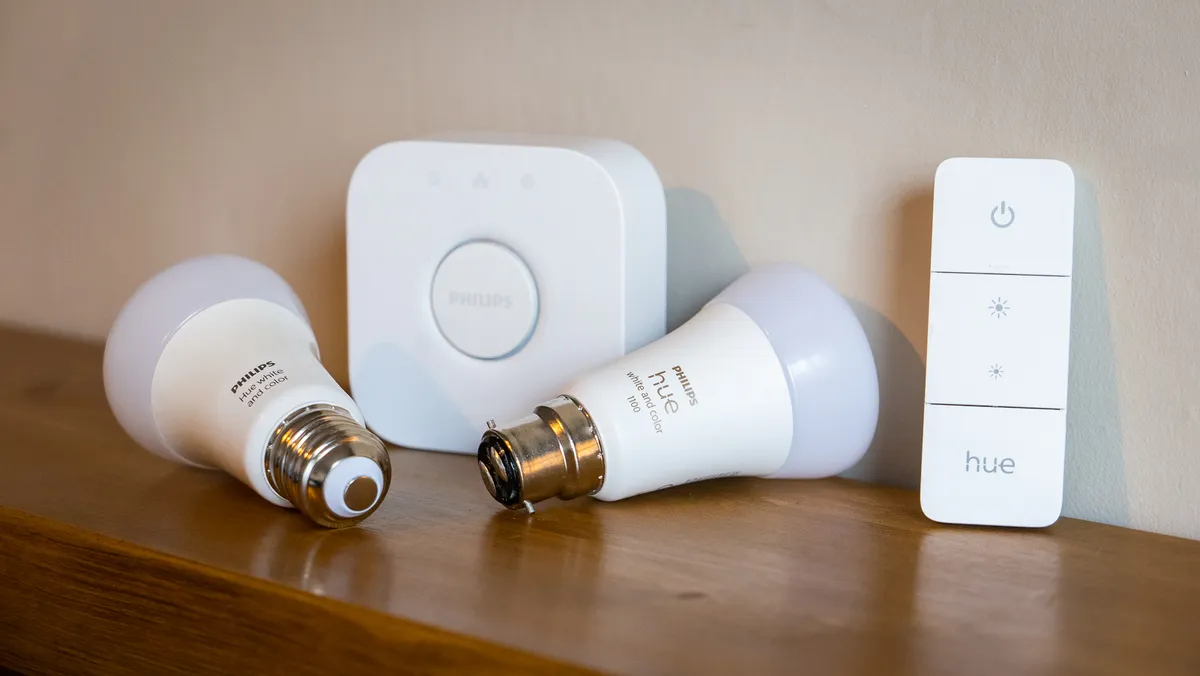
Smart lighting systems use advanced controls, wireless or wired connectivity, and often voice assistants to manage when and how your lights operate. Unlike basic LED bulbs or wall switches, these systems integrate with broader smart home ecosystems. They allow you to control lighting with apps, timers, or automation, and can adjust brightness or color based on preset routines or occupancy sensors.
The “why” comes down to convenience, potential energy savings, and flexibility. A global surge in smart lighting adoption has been noted, with the market ranging between USD 15.7 to 22.45 billion in 2024 and predicted to explode further in the next decade thanks to IoT growth and demand for sustainable tech. Europe leads in market share (38%), and energy savings up to 40% in office settings or 50% in factories are real motivators [source].
Want to combine smart lighting with other home upgrades? Smart lighting fits well with tech-forward interiors, practical storage solutions, and energy-efficient setups. For example, smart lighting perfectly complements ultimate smart wall shelves and modern smart kitchen recycling bins.
Step-by-Step Guide: Installing Smart Lighting Systems for Your Home
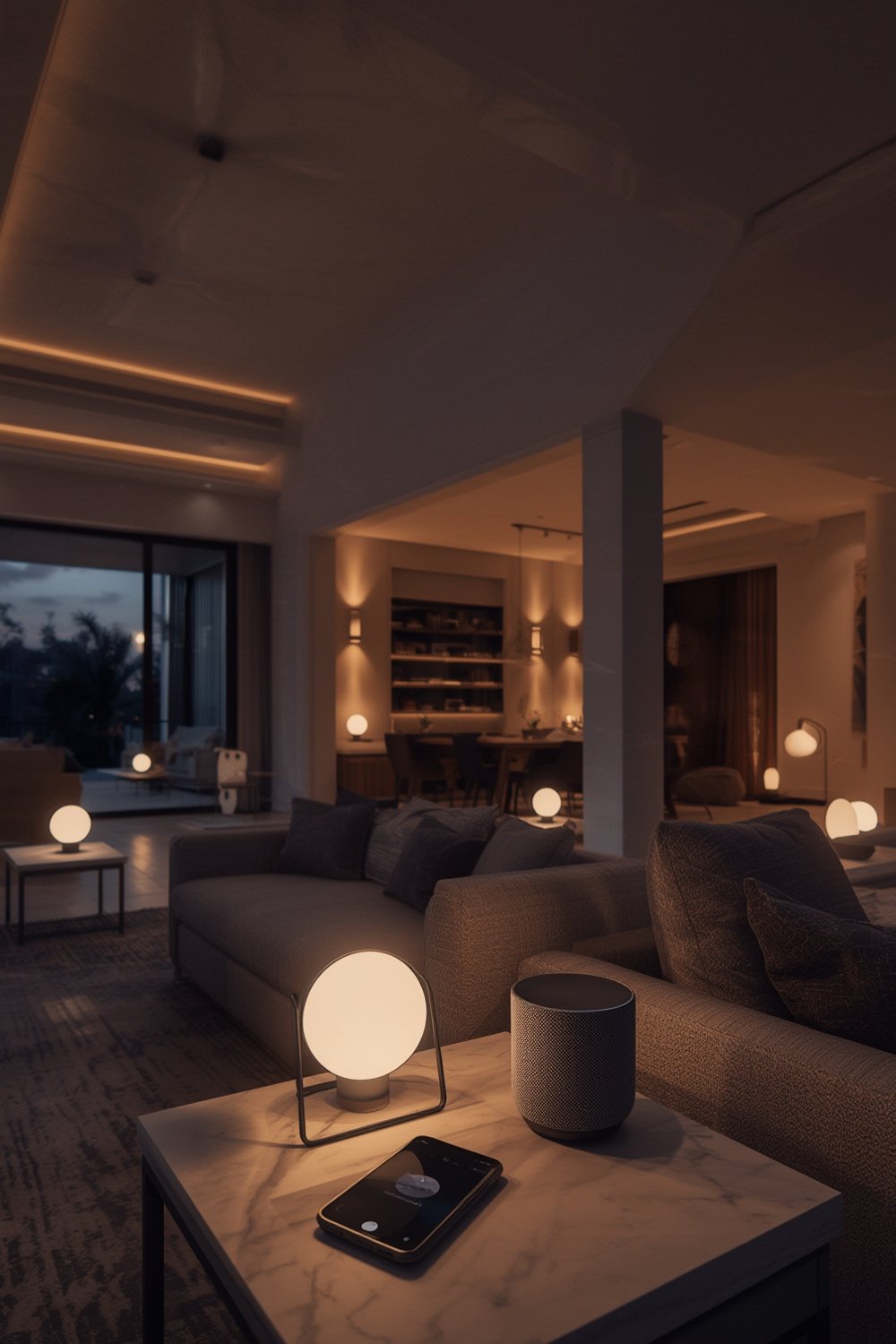
Ready to build your own smart lighting environment? Follow these steps for a cost-effective, frustration-free installation:
- Assess Your Needs: Identify which rooms and lighting functions matter most (e.g., dimming in the bedroom, color effects in the living area).
- Choose Compatibility: Pick products that integrate with your preferred ecosystem (Alexa, Google Home, Apple HomeKit). Consider wired vs wireless and protocol support like Zigbee or Matter, though standards can change quickly.
- Budget for Hardware & Installation: Hardware typically makes up 57% of smart lighting costs. Expect upfront investment; price ranges can vary but smart LED strips and wireless kits can run from $25 to $200+ per room, depending on sophistication and brand.
- Install & Configure: For wireless products (screw-in bulbs, plug-in LED strips), physical installation is often simple—just swap bulbs and connect using the app. Wired retrofits, like smart switches, may need electrical work. Always cut power at the breaker before working on switches.
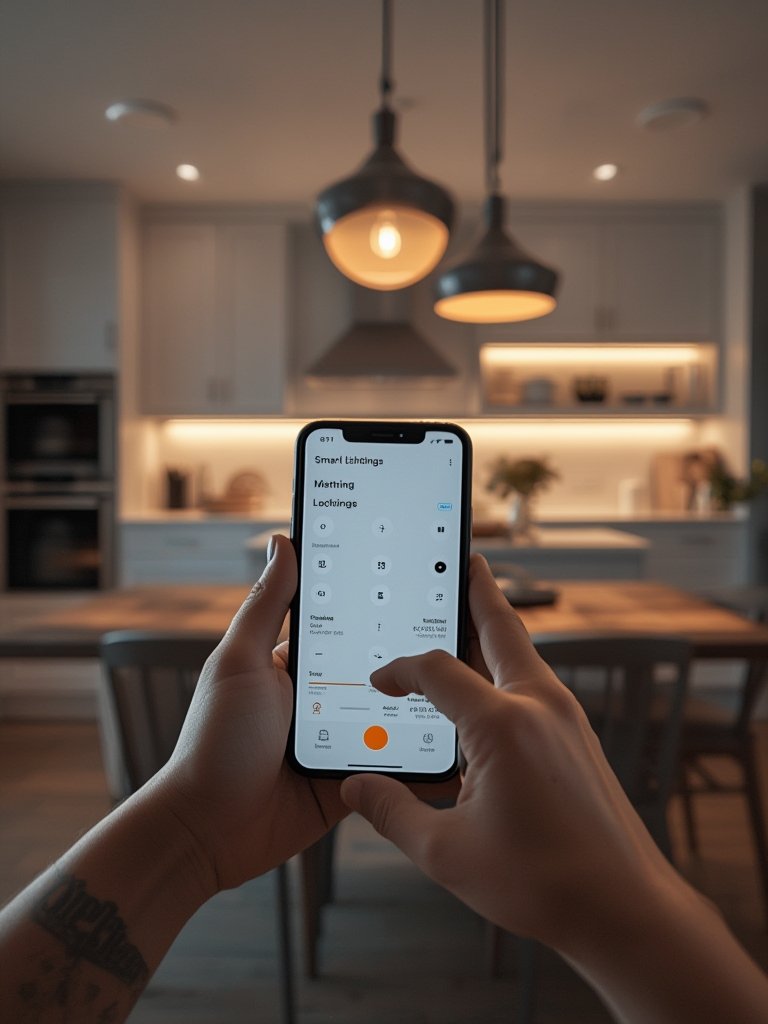
- Set Up Automations & Scenes: Use the app to set timers, motion-based triggers, and voice commands. Test response speed and adjust settings for real-world routines.
- Secure Your System: Change default passwords, update firmware promptly, and limit unnecessary device permissions. Connect lighting devices to a separate IoT Wi-Fi network if possible.
- Monitor & Adjust: Regularly review automations. Tweak schedules for energy savings and comfort. Replace or recalibrate devices as tech evolves.
Need more practical upgrade ideas? Check out our recent buyer’s guides to wall shelves floating stylish solutions and best kitchen anti fatigue mats to get even more out of your remodel budget.
Advanced Analysis & Common Pitfalls
Smart lighting can be brilliant—or downright frustrating—depending on your planning, product selection, and installation. Here are the most realistic pros and cons to expect:
Known User Complaints and Pain Points
- Voice command failures: Lights don’t always respond, especially if devices lose Wi-Fi or cloud service hiccups occur.
- Device fragmentation: Not all bulbs, strips, and switches play nicely together, especially between brands or ecosystems.
- Uncertain costs: Upfront investment isn’t trivial with kit/strip prices ranging from $25-$200+ per room—and ongoing support or upgrades may add hidden costs.
- Security and Privacy Gaps: Integrating with voice assistants (Alexa, Google Home) could open privacy risks if device permissions or old firmware are neglected.
- Wired vs Wireless Tradeoffs: Wired is more reliable (65% of current installs) but costly to retrofit; wireless is easier but can suffer from range or interference issues.
Critical Compatibility Insights (2024)
The smart lighting world moves fast, but at present, most top systems work with Alexa and Google Assistant. Apple HomeKit support lags, and protocol changes (such as the new Matter standard) are ongoing. Always check for up-to-date app and hub compatibility.
Energy Efficiency Comparison
| Solution | Typical Energy Savings | Main Advantage | Main Drawback |
|---|---|---|---|
| Traditional Lighting | 0% | No setup complexity | No energy savings, no automation |
| Standard Smart Lighting | 25-40% (offices) | Automation, app, & voice control | Higher upfront cost, moderate complexity |
| Sensor/Automation (Factory-grade) | Up to 50% | Best energy savings | Complex install, costly for home |
Want to make your entire home efficient? Smart lighting pairs perfectly with ultimate smart kitchen shelving and modern sofa upgrades.
Conclusion
Smart lighting systems deliver impressive energy savings, hands-free control, and custom ambiance—but require careful planning, extra budget, and realistic expectations around integration and privacy. With the right setup, a smart lighting system can transform your space and cut electricity waste. Ready to future-proof your home? Start your project with a smart plan and see how smart lighting systems can bring your home to life.
Want more tips on smart upgrades? Explore our guides to beautiful plant pots and expert bathroom remodel strategies, or subscribe for new updates.
FAQ Section
Are smart lighting systems really worth the investment?
For many, yes—especially if you want automation, remote control, or energy savings. However, the value depends on your comfort with tech, willingness to troubleshoot, and if you’ll use the advanced features regularly.
How secure are smart lighting systems?
Most brands offer robust security, but vulnerabilities can arise from weak passwords, old firmware, or over-sharing device permissions. Isolate smart devices on a separate network and apply updates promptly.
Can I install smart lighting myself, or do I need an electrician?
Plug-in bulbs, LED strips, and most wireless kits are DIY-friendly. For wired switches or complex automations, consult a licensed electrician to avoid electrical safety risks.
Do smart lights really save electricity compared to regular LEDs?
Yes, when properly set up with schedules, sensors, or dimmers. Studies show 25-40% energy savings in commercial settings, and potentially more in homes that use automation rigorously.
Will all smart bulbs work with Alexa, Google Home, or Apple HomeKit?
No, always check compatibility on the box or manufacturer website. Some brands require additional hubs or may not support all features with every assistant.