

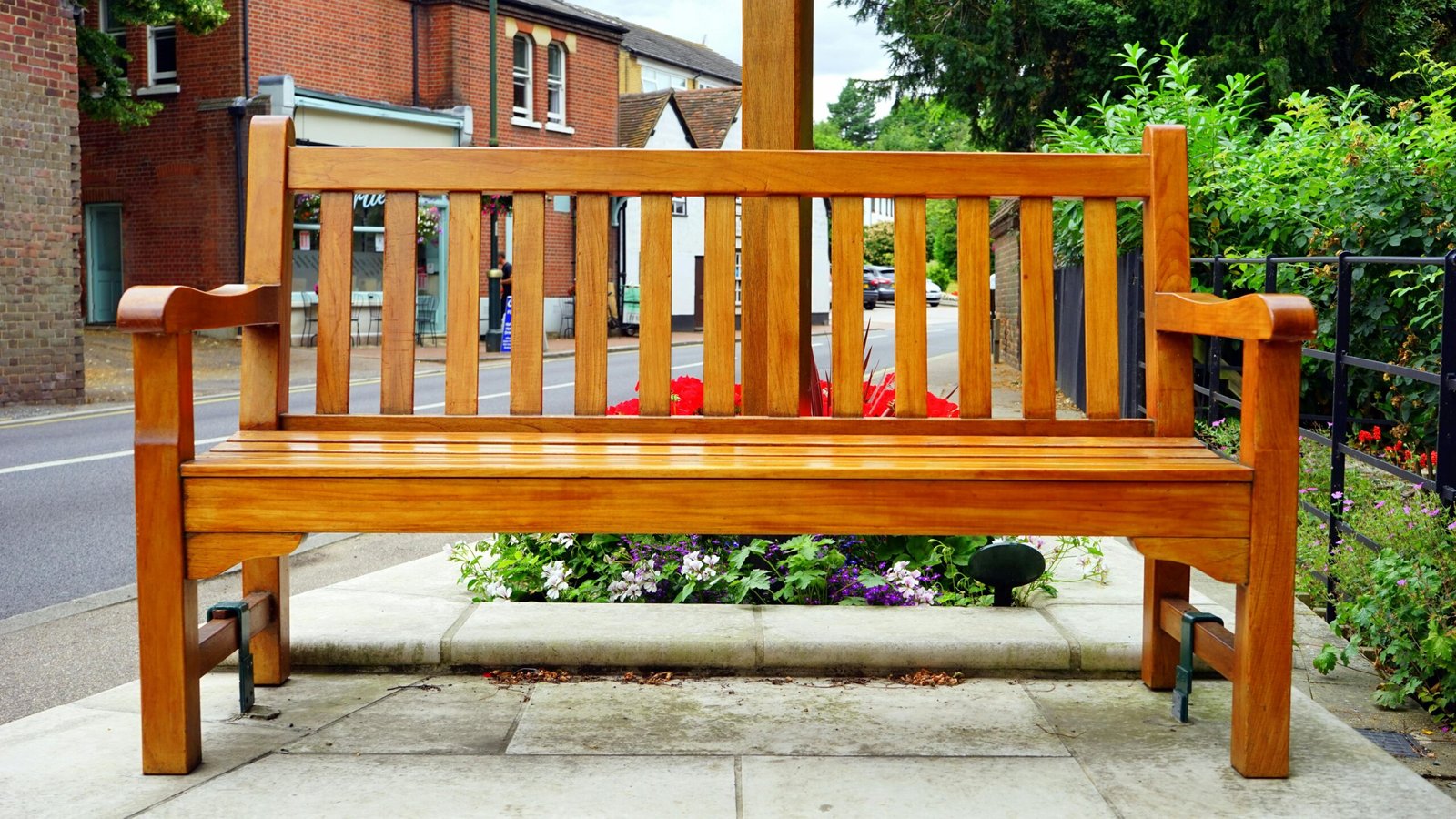
From compact small outdoor benches to large outdoor storage benches, choosing the right bench transforms your patio into a functional, stylish space. Outdoor benches offer more than seating—they provide storage, complement your decor, and enhance comfort when paired with cushions or outdoor tables. This guide explores wooden, metal, and black outdoor benches, storage options, styling tips, cushion choices, maintenance, and smart buying advice.
Table of Contents
Selecting the Right Outdoor Bench for Your Space and Lifestyle
Choosing the perfect outdoor bench begins with understanding your needs, space, and the type of bench that suits your lifestyle. Whether you want a simple accent seat or a multi-purpose outdoor storage bench, the right selection can elevate your patio or garden.
Wooden Outdoor Benches
Classic wooden benches, made from cedar, teak, or acacia, blend naturally into garden spaces and provide timeless warmth. Hardwood benches are highly durable but require routine maintenance such as sealing, oiling, or painting to prevent weathering. Wooden benches are ideal for patios, porches, or garden pathways and can serve as both seating and a decorative focal point.
Metal Outdoor Benches
Metal outdoor benches, crafted from wrought iron, aluminum, or powder-coated steel, offer strength, longevity, and modern aesthetics. These benches are more weather-resistant but may get hot in direct sunlight. Choose rustproof finishes or powder coating, especially for humid or coastal environments. Metal benches pair well with contemporary outdoor dining sets and garden decor.
Black Outdoor Benches
Black benches make a bold statement in outdoor spaces. They contrast beautifully with greenery and lighter patios, adding a touch of elegance. Consider adding cushions for comfort and to counter heat absorption in sunny areas.
Compact and Small Outdoor Benches
Small outdoor benches (under 36 inches) are perfect for balconies, narrow patios, or entryways. These benches often double as side tables or extra seating. Typical dimensions include:
- 1-seat: 32–36 inches long
- 2-seat: 45–55 inches long
- 3-seat or more: 60–72 inches long
- Seat height: 16–19 inches
- Depth: 14–20 inches
Always measure your available space to ensure movement and comfort. For dining use, match the bench height to your outdoor table and consider bench cushions for added comfort.
Maximizing Storage and Practical Features
Many outdoor benches double as storage solutions, making them highly functional for patios, entryways, and gardens.
Storage Bench Designs
- Lift-top storage benches: Offer a spacious compartment under the seat for cushions, tools, or toys.
- Hinged seats: Smooth opening mechanisms make accessing storage easy.
- Compartmentalized drawers: Perfect for organizing small items like garden gloves, watering cans, or kids’ toys.
Durability and Construction
- Wooden storage benches: Interiors lined with treated wood or composite panels resist rot and mildew.
- Metal benches: Powder-coated frames and stainless hardware extend lifespan.
- Ensure hinges, latches, and compartments are weather-resistant.
Storage Capacities
- Full-size storage benches: Up to 120 gallons of internal volume.
- Compact benches: 30–50 gallons for small items.
Safety and Convenience
- Look for soft-close hinges to prevent pinched fingers.
- Lockable latches for added security.
- Confirm seating weight limits, especially when compartments support heavy loads.
Choosing Cushions and Maximizing Comfort
Cushions are crucial for making outdoor benches comfortable. Choosing the right material, fill, and size will enhance your seating experience.
Cushion Fill Types
- High-density foam: Comfortable, retains shape, best for daily use.
- Quick-dry foam: Expels water quickly, ideal for wet climates or poolside benches.
- Polyester fiber: Soft and lightweight but flattens faster.
Cushion Covers
- Sunbrella/solution-dyed acrylic: UV-resistant, breathable, long-lasting.
- Vinyl: Waterproof, easy to clean, but can crack in heat.
- Water-resistant polyester: Budget-friendly and quick-drying.
Measuring for Cushions
- Length: Measure inside seat edges.
- Depth: Front to backrest; 16–18 inches typical.
- Thickness: 2 inches for storage benches, 3–4 inches for maximum comfort.
Attachment Options
- Ties, Velcro, or non-skid backing prevent movement.
- For storage benches, use thinner cushions that stow easily inside.
Cleaning and Maintenance
- Brush off debris regularly.
- Spot clean with diluted vinegar or soapy water.
- Dry flat in the sun.
- Store cushions seasonally in breathable bags to extend lifespan.
Styling and Pairing with Outdoor Furniture
How you place and pair your outdoor bench affects both function and aesthetic appeal.
Placement Tips
- Walkways/entryways: Small benches provide a convenient perch.
- Patio edges: Wooden benches create serene seating areas.
- Against walls/fences: Outdoor storage benches maximize space.
- Around tables: Use long benches for dining; complement with chairs on ends.
Color and Material Coordination
- Match wood with wood, metal with metal, or mix textures for visual interest.
- Black benches provide striking contrast; pair with neutral cushions.
- Change cushions seasonally to refresh the look.
Accessories
- Throw pillows for style and comfort.
- Planters nearby to integrate greenery.
- Use storage baskets or waterproof covers to maintain functionality.
Care, Maintenance, and Repairs
Proper maintenance prolongs the life of outdoor benches and cushions.
Wooden Benches
- Quarterly: Clean with mild soap, rinse, and dry.
- Annually: Sand and apply sealant or oil.
- Touch up paint as needed.
Metal Benches
- Biannually: Check for rust; remove with wire brush and repaint.
- Inspect powder-coated finishes.
Synthetics
- Clean with hose and non-abrasive cleaner.
Seasonal Care
- Remove debris and dry benches before covering.
- Use breathable covers.
- Store cushions indoors or in breathable bags.
Common DIY Repairs
- Loose slats: Tighten screws or use wood glue.
- Squeaky joints: Lubricate hardware.
- Hinge replacement: Swap old hinges with stainless replacements.
- Cushion repair: Patch fabric or replace foam.
Outdoor Bench Buyer’s Checklist
- Intended use: seating, storage, accent.
- Material: wood, metal, composite/resin.
- Weather resistance, UV protection, and warranty.
- Storage needs: full-size or small outdoor benches.
- Cushion compatibility and removability.
- Assembly and delivery considerations.
Conclusion
Choosing the right outdoor bench means balancing style, function, comfort, and durability. Wooden, metal, or black benches each offer unique advantages, while storage options and cushions maximize utility and relaxation. By following maintenance tips and selecting appropriate materials, your outdoor bench becomes a long-lasting centerpiece for your patio or garden. Smart planning ensures that your outdoor seating not only looks great but also provides lasting comfort and functionality for years to come.
Hi-Line Gift’s guide on metal vs. wooden garden benches — https://www.hilinegift.com/blogs/design-stories/metal-vs-wooden-garden-benches-for-outdoor