

Table of Contents
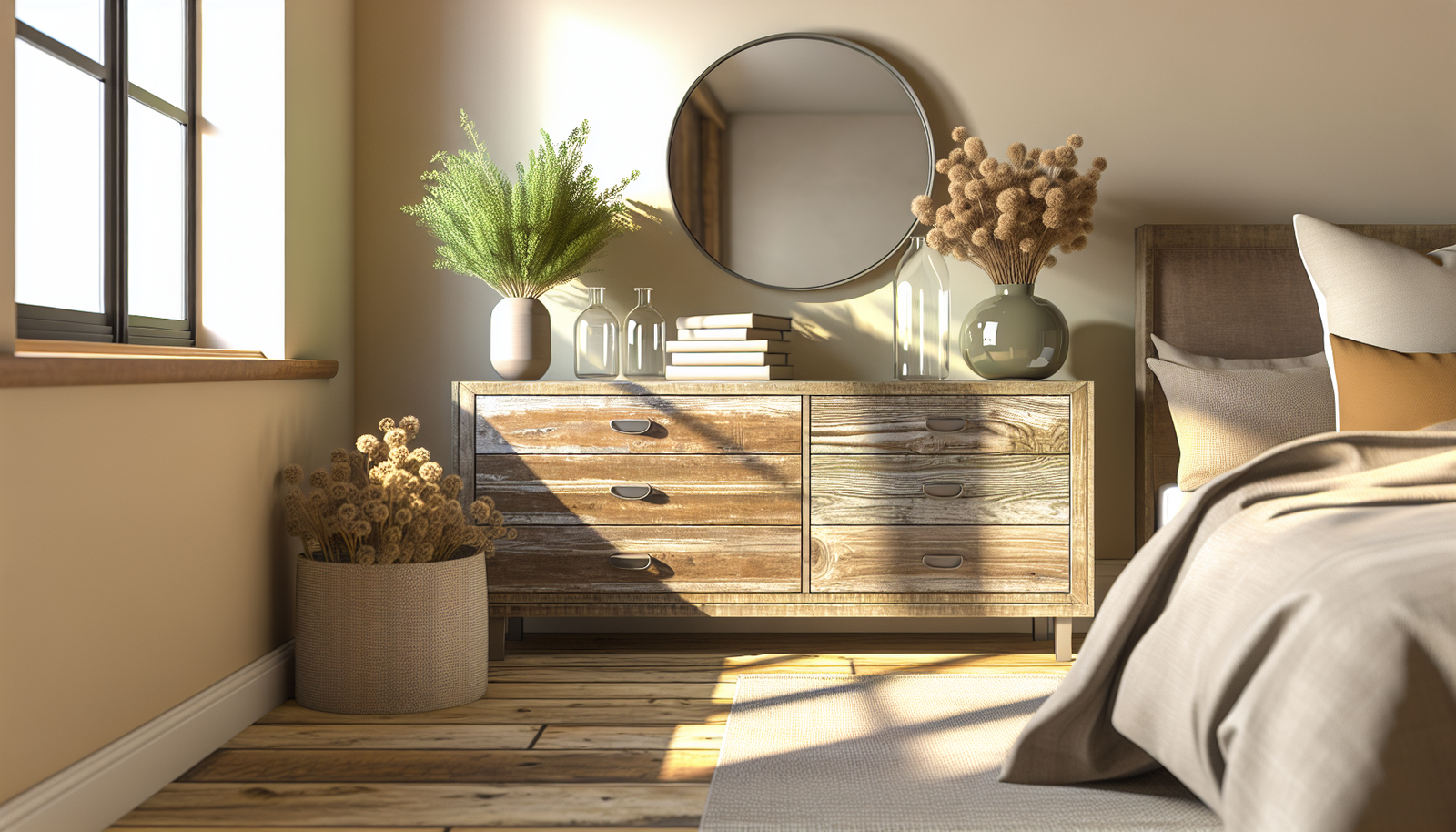
A dresser for bedroom spaces serves as both a functional storage piece and a powerful design anchor. A rustic dresser can enrich a bedroom with warmth, texture, and lasting durability. This guide explains why rustic dressers remain popular, how to choose the right material and size, and how to maintain and style them for cohesive décor. You’ll find buying checklists, measurement tips, and practical advice to help you select the perfect dresser for bedroom needs.
Why Choose a Rustic Dresser for Your Bedroom
The enduring appeal of choosing a rustic dresser for bedroom environments stems from its ability to add character, resilience, and visual warmth. Unlike many modern or minimalist dressers, rustic dressers incorporate natural textures, solid materials, and handcrafted details that give them a unique charm.
Warmth and Character
A rustic dresser for bedroom setups brings a cozy, retreat-like atmosphere. Natural grains, distressed finishes, and earthy tones help create a space that feels comfortable and inviting. Because each piece varies slightly in knots, grain patterns, and finish, no two rustic dressers are identical.
Durability
Most rustic bedroom dressers are constructed from reclaimed or solid wood. This makes them strong, long-lasting, and able to handle heavy use. Instead of wearing down, rustic finishes often improve with age—deepening in color and developing a natural patina that enhances the look over time.
Sustainability
Choosing an eco-friendly dresser for bedroom use made from reclaimed, recycled, or sustainably harvested wood reduces environmental impact. Rustic designs often avoid high-chemical veneers or synthetic layers, meaning fewer unnecessary materials in your home.
Style Versatility
A rustic dresser for bedroom décor blends well with multiple interior design styles—farmhouse, industrial, boho, modern rustic, cottagecore, and transitional. This flexibility allows the dresser to adapt to décor changes without looking outdated.
Comparing Rustic vs. Modern Dressers
Modern/minimalist dressers often rely on engineered surfaces or high-gloss finishes. While sleek, they can appear cold or overly simple in warm, lived-in spaces.
A rustic dresser for bedroom environments introduces warmth and dimension, complementing layered textiles, rugs, and natural decor.
Room-Specific Benefits
Small bedrooms: Compact rustic dressers add charm without overwhelming the room.
Master bedrooms: Large farmhouse-style dressers ground the space and create a visual centerpiece.
Rental properties: Rustic furniture hides wear better and appeals to a wide audience.
If you want authenticity, character, and practicality, a rustic dresser for bedroom spaces is one of the most dependable upgrades.
Materials, Construction, and Hardware to Look For
Choosing the right materials is essential when selecting a rustic dresser for bedroom use. The type of wood, joinery, finish, and hardware all influence durability and style.
Best Wood Types
Reclaimed Oak
Extremely strong and heavy
Rich wood grain
Sustainable choice
Higher cost but longest lifespan
Perfect for a long-term dresser for bedroom investment.
Pine
Lightweight, affordable
Softer—more prone to dents
Ideal for a farmhouse-style rustic dresser
Great for a budget-friendly dresser for bedroom option.
Cedar
Naturally aromatic
Bug-resistant
Often used for drawer interiors
An excellent companion wood for clothing storage inside a dresser for bedroom setup.
Walnut
Premium hardwood
Deep brown tones
Strong, elegant, and long-lasting
A luxurious dresser for bedroom choice.
Engineered Wood (High-Quality Veneer)
More affordable
Consistent finishes
Less durable than solid wood
Acceptable for light-use dresser for bedroom situations.
Finishes to Consider
Stained Finishes
Highlight natural grain and add protection. Ideal for classic rustic styles.
Whitewash
Gives a coastal or farmhouse feel but offers less surface protection.
Natural Oil
Preserves organic texture but requires occasional re-oiling.
Lacquer
Very protective, easy to clean, but slightly less rustic.
Construction Details That Ensure Quality
Quality construction distinguishes a premium dresser for bedroom from mass-produced pieces.
Look for:
Dovetail joints — strongest drawer construction
Solid wood drawer boxes
Plywood drawer bottoms (never cardboard)
Framed construction for durability
Avoid dressers with loose joints, flimsy bottoms, or stapled drawers.
Hardware Options
Iron Pulls
Great for rugged rustic themes.
Brass Knobs
Beautiful patina, vintage feel.
Soft-Close Slides
A must for families or high-use bedrooms—prevents slamming and wear.
Sizing, Storage, and Bedroom Planning
Choosing the right dimensions for a dresser for bedroom settings is essential for comfort, convenience, and balance.
Typical Dresser Sizes
Standard Horizontal Dresser
48″ W × 18″ D × 34″ H
Good for medium to large bedrooms.
Tall Dresser (Chest)
36″ W × 20″ D × 54″ H
Great for maximizing vertical storage.
Small 3-Drawer Dresser
32″ W × 16″ D × 30″ H
Ideal for small rooms, guest rooms, or kids’ bedrooms.
Drawer Size Averages
Large drawers: 26–30″ wide × 6–7″ high
Small drawers: for accessories, socks, jewelry
Be sure your dresser for bedroom selection uses drawers suited to your wardrobe needs.
Matching Dresser Size to Your Room
Keep 30″ of clearance for drawer access.
Maintain 24–30″ walkways.
Choose a dresser no more than two-thirds the width of your bed for visual balance.
Tall dressers add storage but can feel large in compact rooms.
Shorter dressers double as TV stands or décor surfaces.
Storage Configuration
Choose a dresser for bedroom with drawer styles that match your clothing:
Wide shallow drawers: t-shirts, pajamas, loungewear
Deep drawers: sweaters, bulky items
Small top drawers: jewelry, socks, accessories
Tip: Plan at least one drawer per clothing category.
Buying Tips, Care Instructions & Long-Term Maintenance
Whether your dresser for bedroom is new, secondhand, or vintage, use this checklist.
Buying Checklist
Condition Assessment
Check:
Tightness of joints
Drawer slide functionality
Wood rot or pest activity
Stability and leveling
Finish Quality
Even, smooth finishes indicate quality craftsmanship.
Structural Integrity
Avoid deep cracks or unstable legs.
Warranty & Returns
Essential for new purchases.
Negotiation Tips for Secondhand Purchases
If buying used:
Note scratches
Point out missing hardware
Offer 10–15% below asking
Ask for delivery or reduce price for pickup
Care Instructions for Your Rustic Dresser
Taking care of a dresser for bedroom wood finish prolongs life and preserves beauty.
Routine Cleaning
Dust weekly with a dry microfiber cloth
Use diluted soap on sticky spots
Avoid harsh chemicals
Safe Cleaning Solutions
Wood-safe cleaners
Mild vinegar mix (1:10)
Oil or Wax Maintenance
Reapply once or twice annually
Use beeswax, linseed oil, or tung oil
Buff lightly
Polyurethane Protection
Only for previously urethane-coated or raw wood surfaces.
Scratch & Dent Repair
Light Scratches
Use wood markers
Rub a walnut over the area to blend color
Water Rings
Cover with cloth
Press lightly with warm iron
Deep Gouges
Fill with wood filler
Sand and stain
Climate Control Tips
Wood expands and contracts, so maintain humidity between 40–60%. Use cotton storage bags for clothing—not plastic.
Styling, Placement & Photography Tips
A well-styled dresser for bedroom layout elevates the room and adds charm.
Styling Ideas
Coastal Farmhouse
Driftwood mirror
Blue-and-white ceramics
Linen runners
Modern Rustic
Black metal mirrors
Sculptural lamps
Minimal, clean décor
Boho
Macramé pieces
Terra-cotta lamps
Vintage textiles
Use trays, bowls, and baskets for organization.
Color Palette Coordination
Dark woods → olive, ochre, navy, charcoal
Light woods → whites, pastels, linen tones
Add textile layers to soften the dresser’s structure.
Photography Tips for Selling or Showcasing
Use natural daylight
Declutter before shooting
Capture:
Full dresser in room context
Close-ups of grain, hardware, interior drawers
Back and underside
Suggested alt text:
“rustic dresser for bedroom with dovetail joints”
“reclaimed wood dresser with brass hardware”
Moving & Shipping Checklist
Empty drawers
Wrap corners
Secure with moving blankets
Lift from base
Use a dolly for safety
Micro-Styling Tips
Swap hardware
Add a plant
Layer a patterned runner
Group décor in threes
Conclusion
A rustic dresser for bedroom design delivers personality, storage, and long-term value. When you choose the right wood, dimensions, and hardware—and maintain the dresser properly—it becomes a centerpiece that elevates the bedroom for years to come. Use this guide’s dimensions, checklists, and styling tips to select, care for, and showcase a rustic dresser that enhances your space and lifestyle.
Choosing Quality Furniture: What to Look For” — a buyer’s guide focusing on materials, construction quality, and durability when selecting wood furniture: https://loomlan.com/blogs/interior-design-tips/choose-quality-furniture