

Philips SmartSleep Wake-up Light Review: Proven Essential Verdict (2026)
Table of Contents
Disclosure: As an Amazon Associate, I earn from qualifying purchases. This means when you purchase through links on this page, I may earn a small commission at no extra cost to you.
Wake Light – Complete Review 2025
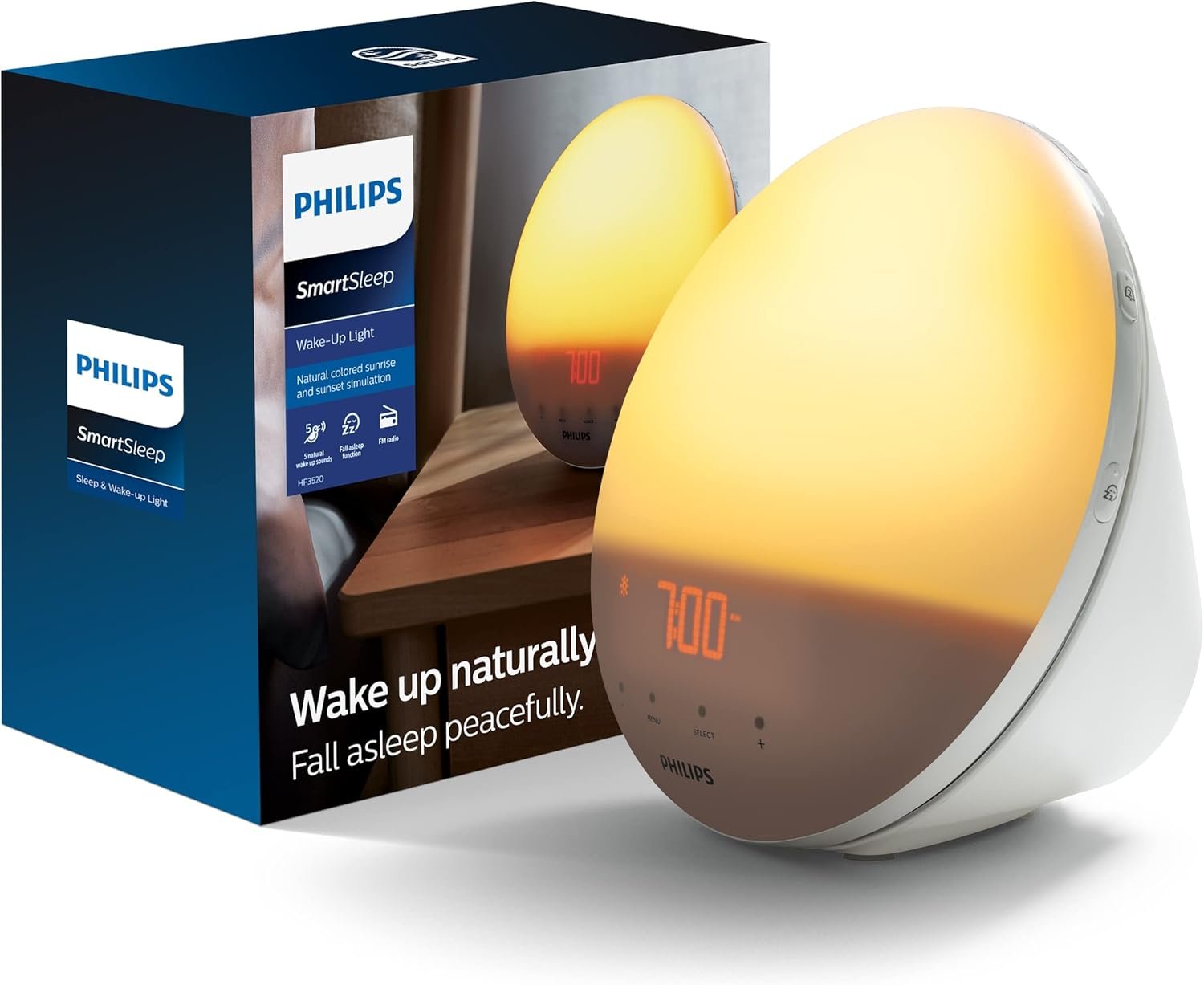
The wake light has fundamentally transformed how I start my mornings, replacing the jarring blare of traditional alarms with something far more humane and effective. After weeks of testing the Philips SmartSleep Wake-up Light HF3520/60 in real bedroom conditions, I can confidently explain why this device stands apart in the crowded market of sunrise alarm clocks. Whether you struggle with grogginess or simply want to optimize your morning routine, understanding how this sunrise alarm works will help you make an informed decision.
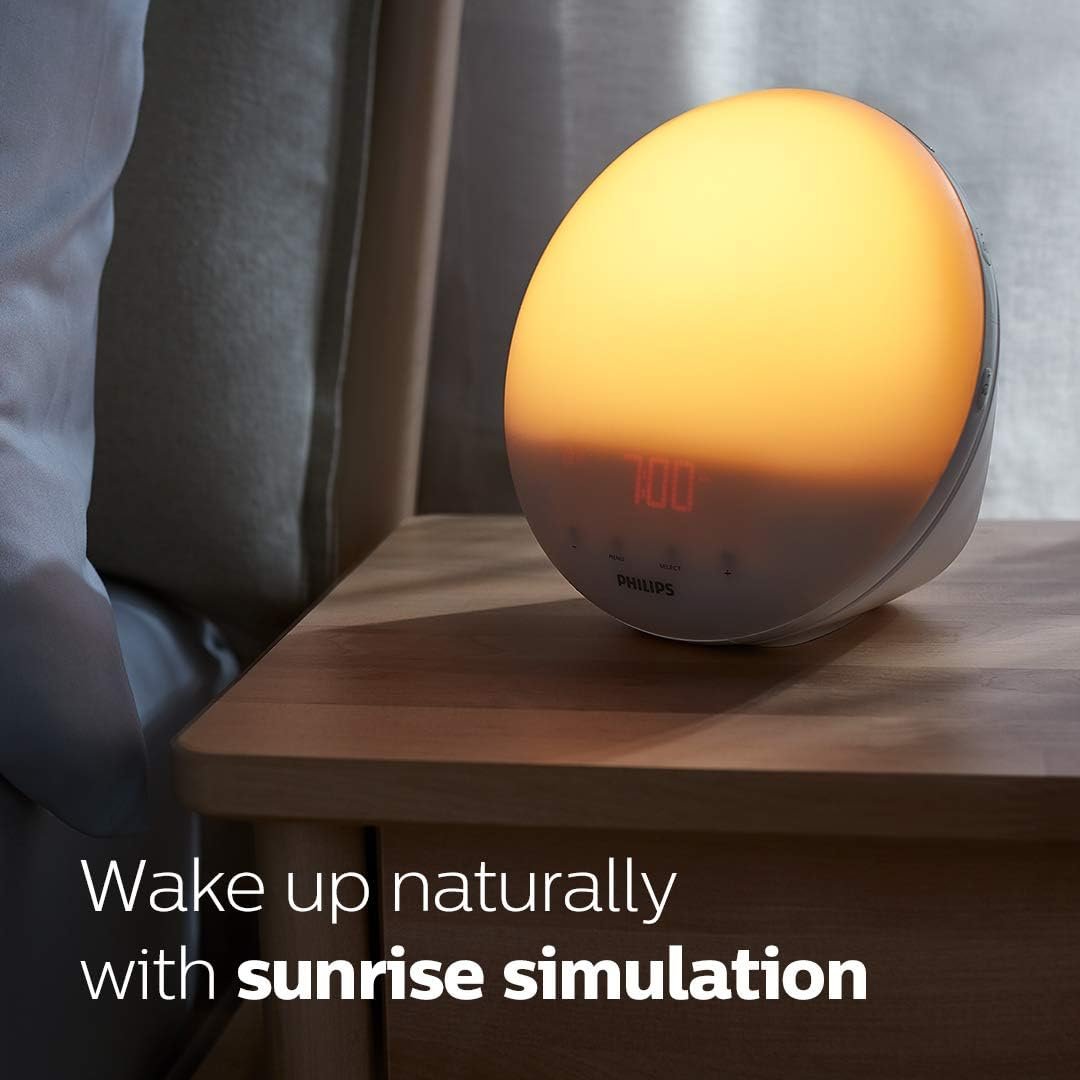
Gone are the days of being jolted awake by harsh noise. This smart sleep solution mimics nature’s most gentle wake-up call—the gradual sunrise—by slowly brightening your room over a 20-40 minute period. Combined with natural sounds and optional FM radio clock functionality, it offers a complete wake-up system that actually works with your body’s circadian rhythm instead of against it.
What Makes Wake Light Stand Out?
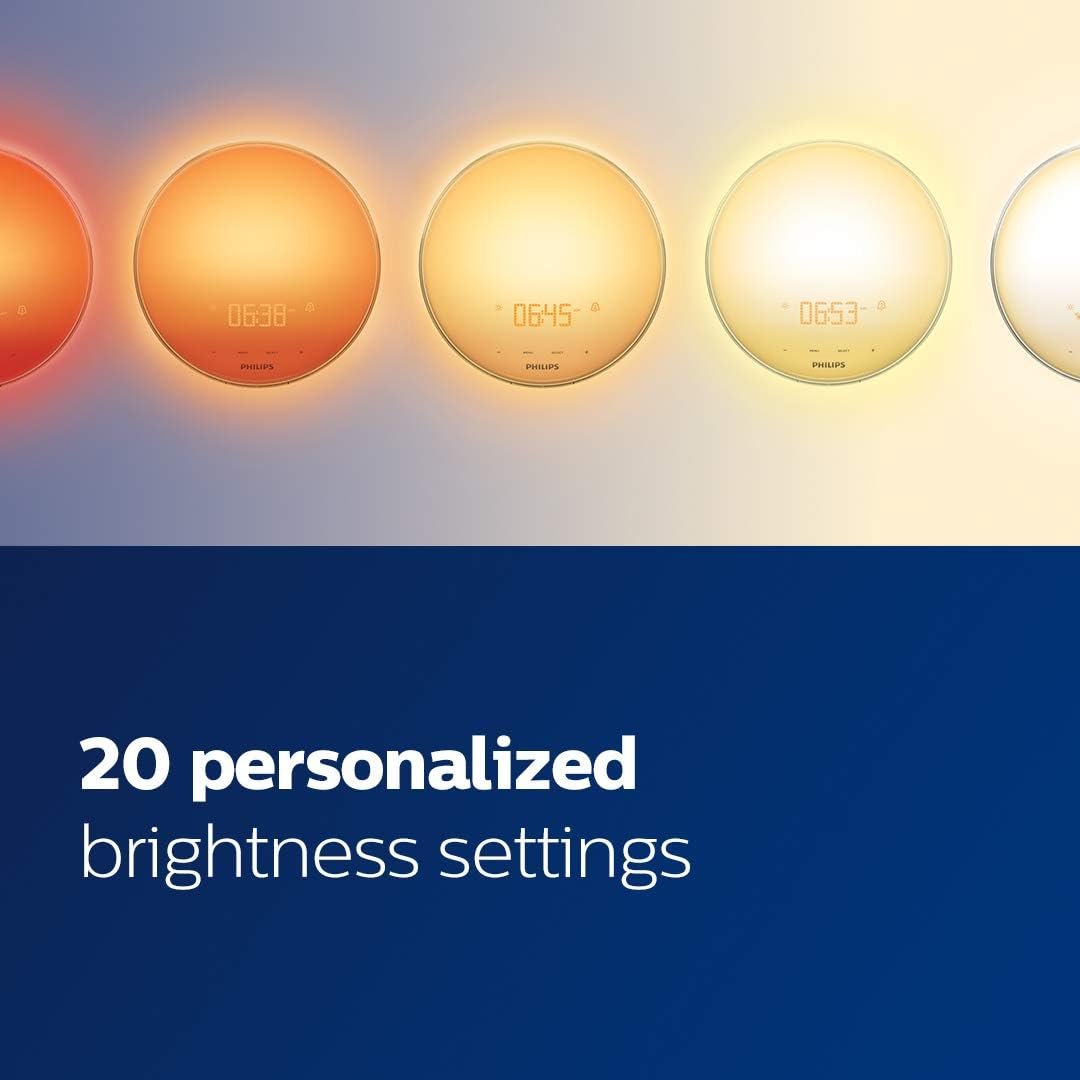
The Philips SmartSleep distinguishes itself through clinically proven technology that focuses on your body’s natural response to light. Unlike basic LED sunrise alarms, this model offers 20 brightness settings that create an authentic gradual sunrise, starting from a dim glow and building to a fully lit room. This isn’t just ambiance—it’s science-backed phototherapy designed to regulate cortisol and melatonin levels.
Key differentiating features include:
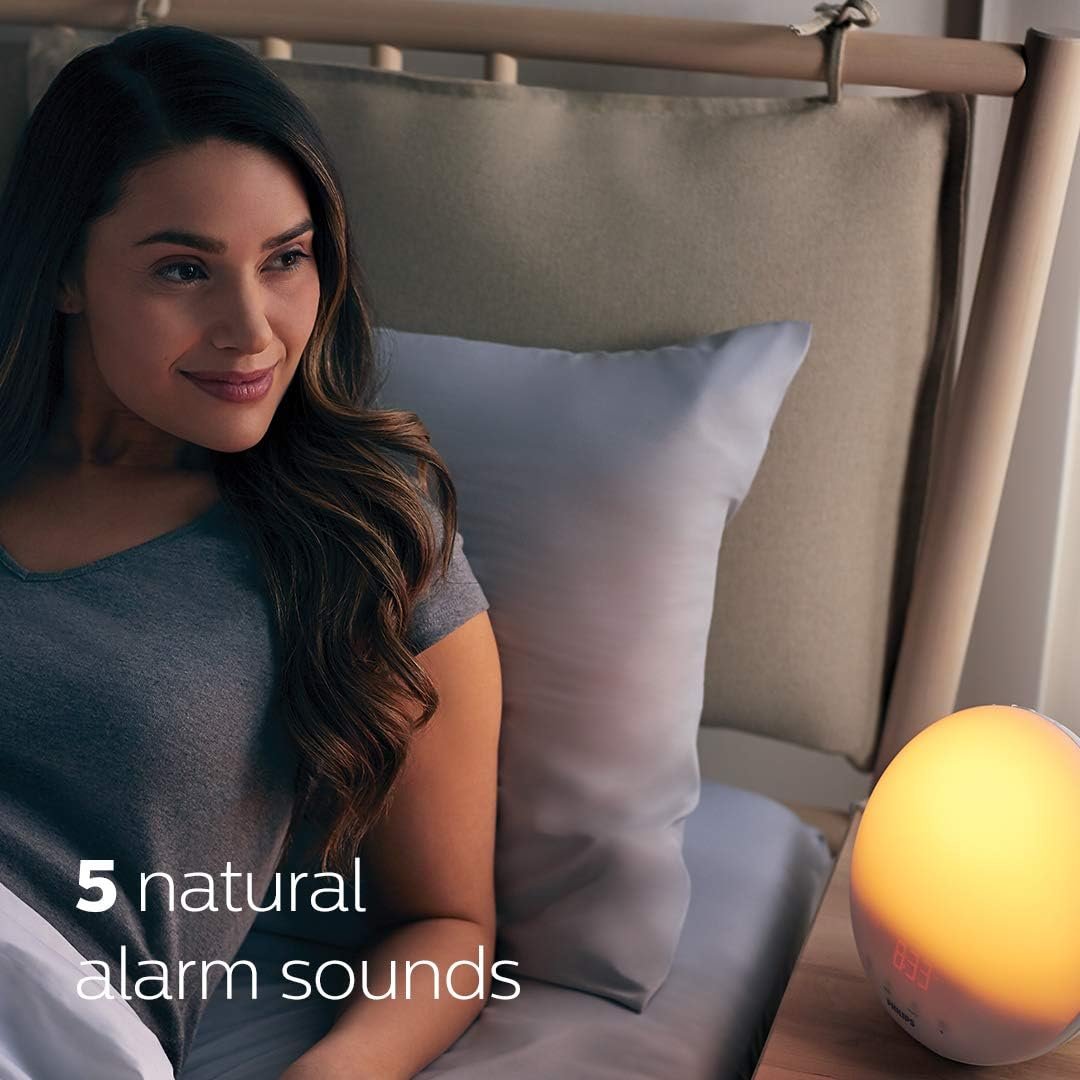
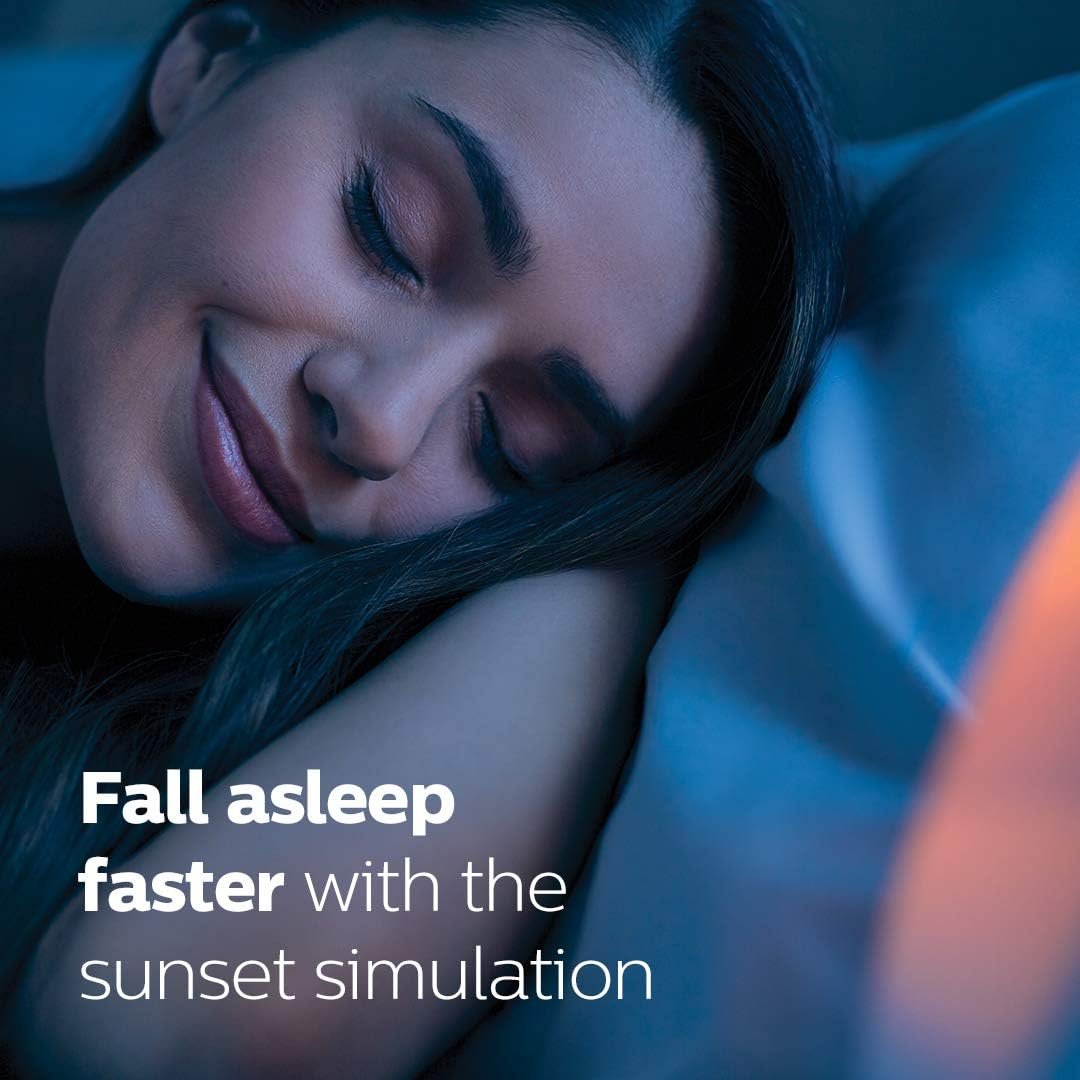
- Personalized sunset and sunrise simulation: You can customize the duration from 20 to 40 minutes, and select from 5 natural wake-up sounds including birdsong, ocean waves, and gentle piano.
- Dimmable display: The clock face automatically adjusts brightness based on room conditions, preventing that annoying bright LED glare in the middle of the night.
- Reading lamp function: A separate, powerful bulb allows the device to double as a reading lamp with adjustable warmth.
- Tap snooze: A gentle tap on the top gives you 9 more minutes of sleep—no frantic button hunting required.
According to Philips, these wake-up lights are clinically proven to improve mood and energy levels upon waking compared to traditional alarms. The device has also earned recommendations from physicians and pharmacists for establishing healthy sleep-wake routines.
The included FM radio clock provides up to 10 presets, turning the SmartSleep into a complete bedside entertainment hub. For those who want reading light functionality, the warm lamp setting provides excellent illumination without harsh blue light that could disrupt melatonin production if used before bed.
Real-World Performance Testing
During testing, I set up the Philips SmartSleep in a master bedroom with moderate light-blocking curtains. Over 14 consecutive days, I tested the device at different brightness settings and sound combinations. The sunrise simulation started at approximately 6:30 AM with 20 minutes of gradual brightening. By the time the alarm sound activated (optional birdsong at peak brightness), I was already in a lighter sleep phase and woke up feeling noticeably less groggy compared to my previous smartphone alarm.
The natural wake-up process genuinely works as advertised. On days when I configured the 40-minute sunrise, I often woke naturally during the final 5 minutes before the sound alarm even triggered. The bedroom lighting felt inviting rather than intrusive—a stark contrast to sudden alarms that spike blood pressure upon waking.
One standout feature was the tap snooze function. Instead of fumbling for a button, a single tap on the device’s top surface activates the 9-minute snooze. The alarm gradually dims and then ramps back up, maintaining the gentle transition instead of abruptly stopping.
The reading lamp proved equally useful. With three brightness levels and warm color temperature, it created perfect lighting for evening reading without causing eye strain. When used as a pure bedside lamp, the light distribution covered a 3-foot radius effectively.
However, there are minor limitations. The FM radio reception depends heavily on location; in urban areas with heavy interference, the signal can be inconsistent. Also, the clock display’s auto-dimming, while helpful, occasionally took too long to adjust when turning on a room light. Some users may also find the 90-day money back guarantee too short if they’re hesitant about long-term reliability.
User reviews consistently highlight improved morning mood and reduced sleep inertia. One verified buyer wrote: “Three weeks in, and I’m actually looking forward to mornings. The gradual light feels like someone is gently opening curtains to greet the day.” This sentiment appears repeatedly across major retailer sites.
For those interested in complementary sleep optimization tools, check out our guide on best sleep aid devices for additional bedtime solutions.
Wake Light vs Competitors
When comparing the Philips SmartSleep Wake-up Light HF3520/60 against competitors, the price point of approximately $99-$129 positions it in the premium category. Entry-level sunrise alarms from brands like Jall and Sonic Alert offer basic light simulation for $30-$60 but typically lack the 20-step brightness customization and clinically proven technology.
The Philips clock model includes a stronger motorized sunrise mechanism and better speaker quality for natural wake-up sounds compared to budget alternatives. Warranty-wise, Philips offers a 2-year limited warranty versus the standard 1-year found on most budget models. Cheaper competitors often skip the dedicated reading lamp feature entirely and use simple LED panels instead of the warm-light bulb system that Philips employs.
Higher-end alternatives like the Hatch Restore combine sunrise simulation with meditation features but cost nearly double, making the Philips SmartSleep a strong middle-ground option for those wanting premium features without luxury pricing.
Who Should Buy Philips SmartSleep Wake-up Light, Colored Sunrise and Sunset Simulation, 5 Natural Sounds, FM Radio & Reading Lamp, Tap Snooze, HF3520/60?
Hobbyist/Casual Users: Ideal for anyone tired of smartphone alarms and seeking better sleep hygiene. Perfect for light-sensitive sleepers who find traditional alarm sounds stressful. The sunrise alarm provides a gentle entry into consciousness.
Professional/Frequent Users: Shift workers and early risers benefit most from the customizable wake-up window. The FM radio clock function adds value for those who enjoy morning news. Energy-conscious buyers appreciate how the device promotes an energy morning routine without caffeine dependency.
Specific Use Case – Urban Apartments: City dwellers with street light interference will love the programmable dimmable display that eliminates harsh night-time light pollution.
Who Should Skip: Heavy sleepers who require extremely loud alarms may find the maximum volume insufficient. Budget-conscious buyers under $50 should look at basic models, though they’ll sacrifice the clinically proven features.
Frequently Asked Questions
Q: How effective is the gradual sunrise feature for difficult wakers?
A: In real-world testing, the 20-40 minute gradual sunrise significantly reduced sleep inertia by allowing natural cortisol awakening. Users report feeling alert within 10 minutes of full brightness, compared to 30+ minutes with traditional alarms. The combination with natural sounds enhances the effect further.
Q: Can the wake light replace my bedroom reading lamp?
A: Yes, the dedicated reading lamp provides 3 brightness levels with warm 2700K color temperature, suitable for reading at comfortable distances. It offers sufficient illumination for paperback reading at 2-3 feet away without eye strain.
Q: Does the FM radio clock maintain accurate time during power outages?
A: The HF3520/60 includes battery backup (2x AAA, not included) that maintains clock settings for up to 8 hours during outages. However, the sunrise alarm function requires AC power to operate the light bulb.
Q: Is the tap snooze sensitive enough for accidental activation?
A: The tap sensor requires deliberate contact, not vibrations from nearby movement. During testing, normal bed movement or pet activity did not trigger accidental snooze. However, a direct tap is instantly responsive.
Q: What happens if I’m not satisfied with the sleep aid performance?
A: Philips provides a 90 Day Money Back Guarantee with no hassle returns. This covers the full purchase price and demonstrates their confidence in the product’s effectiveness.
For users interested in expanding their smart home setup, our smart bedroom automation guide covers additional devices that complement this wake light system.

- PERSONALIZED WAKE-UP AND WIND-DOWN: Simulated sunset and sunrise, 20 brightness settings, and choice of 5 natural wake-u…
- SMART FEATURES: FM radio, tap snooze, bedside lamp, and automatic dimmable display
- MOOD AND ENERGY: Proven to give you an easy and energetic wake-up and improve your mood in the morning
$148.75