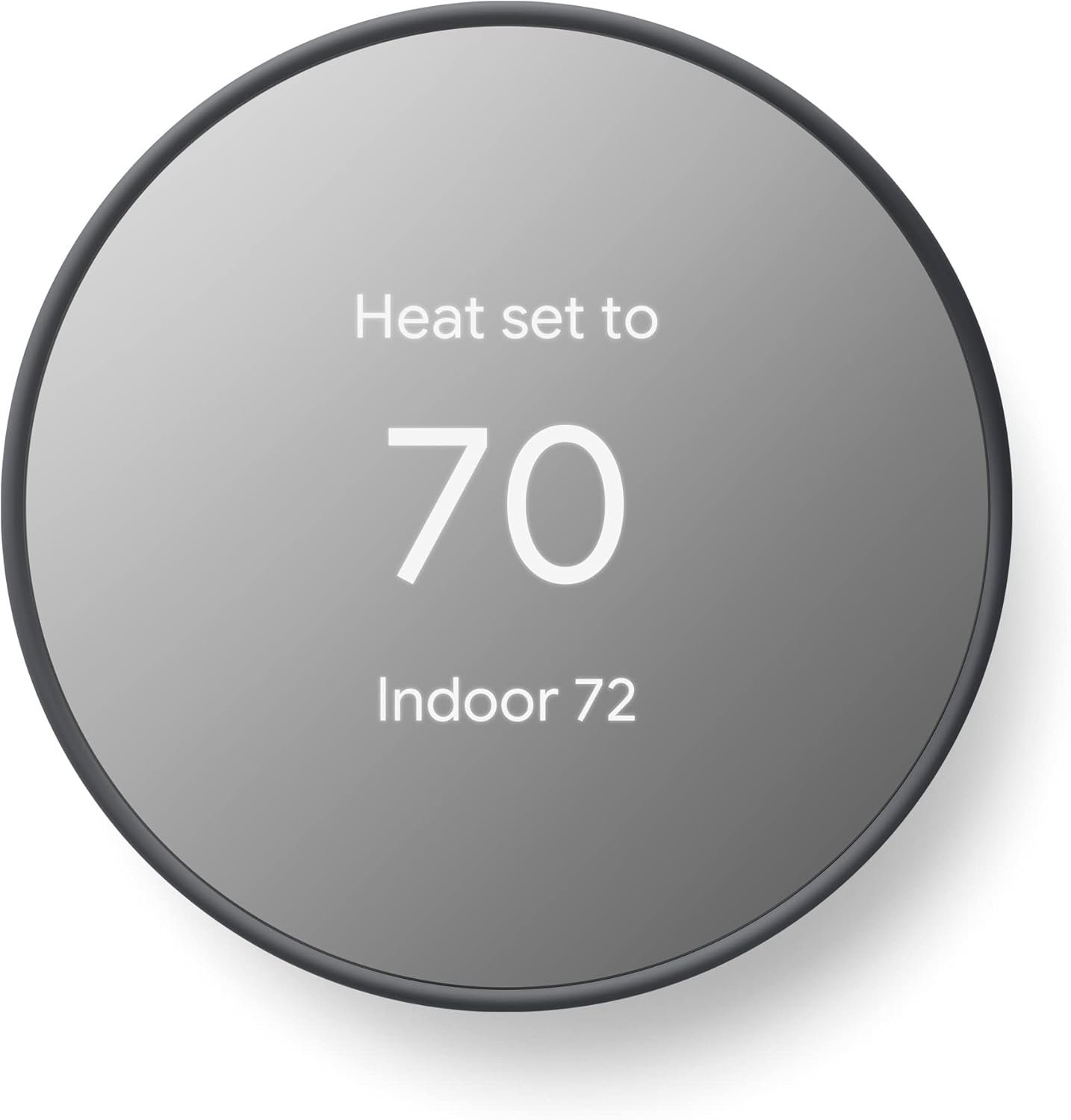
The Google Nest Thermostat (Charcoal, Wi‑Fi Smart Thermostat) offers a sleek and intelligent solution to control your home’s heating and cooling. Its smart learning technology adjusts temperature automatically to save energy, while the Google Home app and voice control make remote management simple. Easy to install and compatible with most HVAC systems, it ensures comfort and efficiency—upgrade your home climate control today.






Smart Comfort & Savings with the Google Nest Thermostat – The Ultimate Home Temperature Control
- Overall Rating
- Ease of Installation
- Temperature Accuracy / Performance
- Energy Saving / Efficiency
- User Interface & App Experience
4.3/5Overall Score
Specs
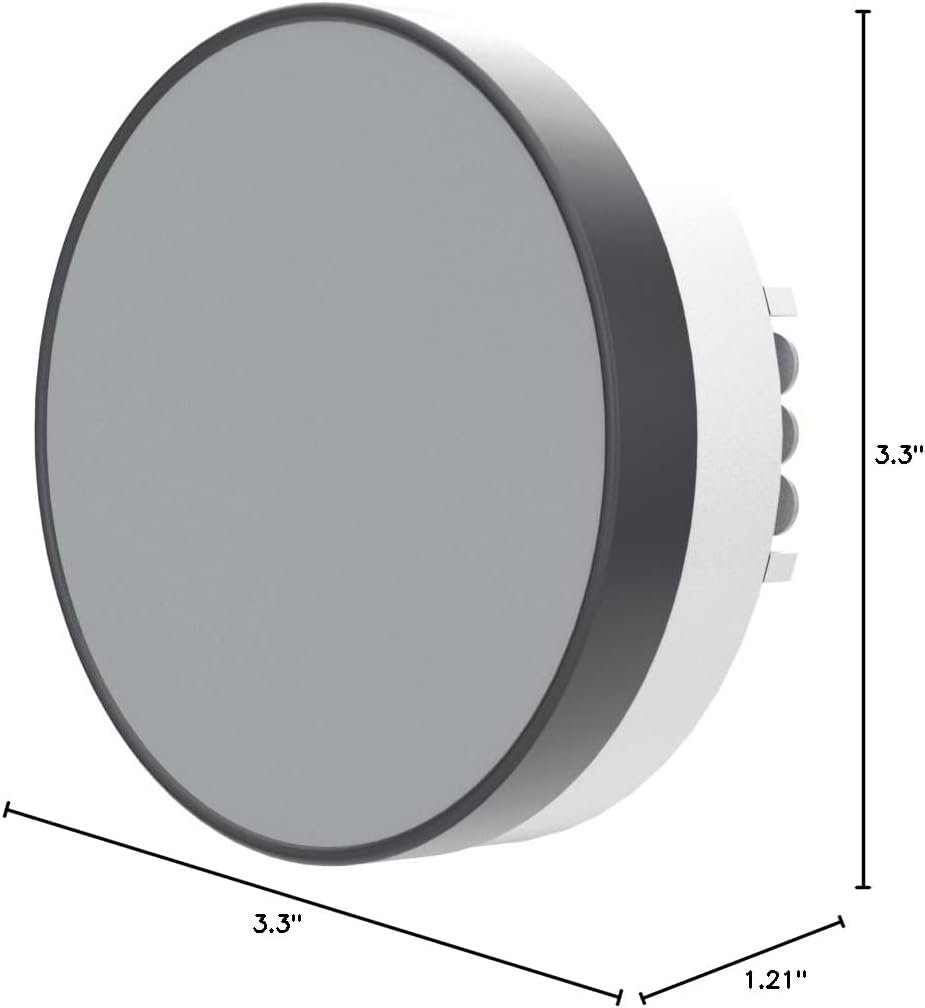
- Product Dimensions: 3.3" × 3.3" × 1.21"
- Weight: 0.31 lbs
- Connectivity: Dual-band Wi-Fi (2.4 GHz & 5 GHz), Bluetooth Low Energy
- Voltage Requiremen: 24 V AC
Pros
- Energy-Saving Features
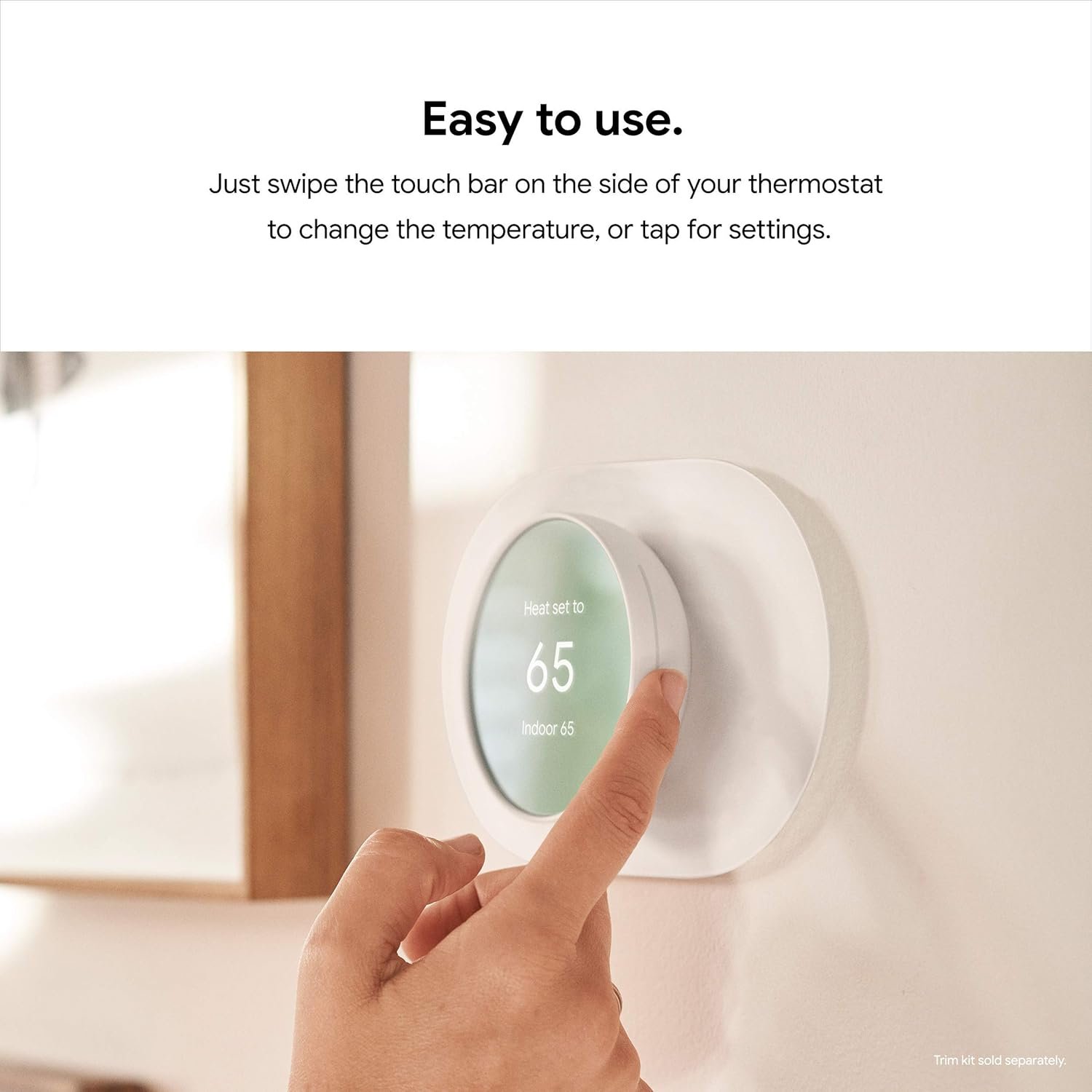
- User-Friendly Touch Controls
- Remote Access via Google Home App
- Sleek and Modern Design
- Affordable Smart Thermostat Option
Cons
- Requires Wi-Fi for full features
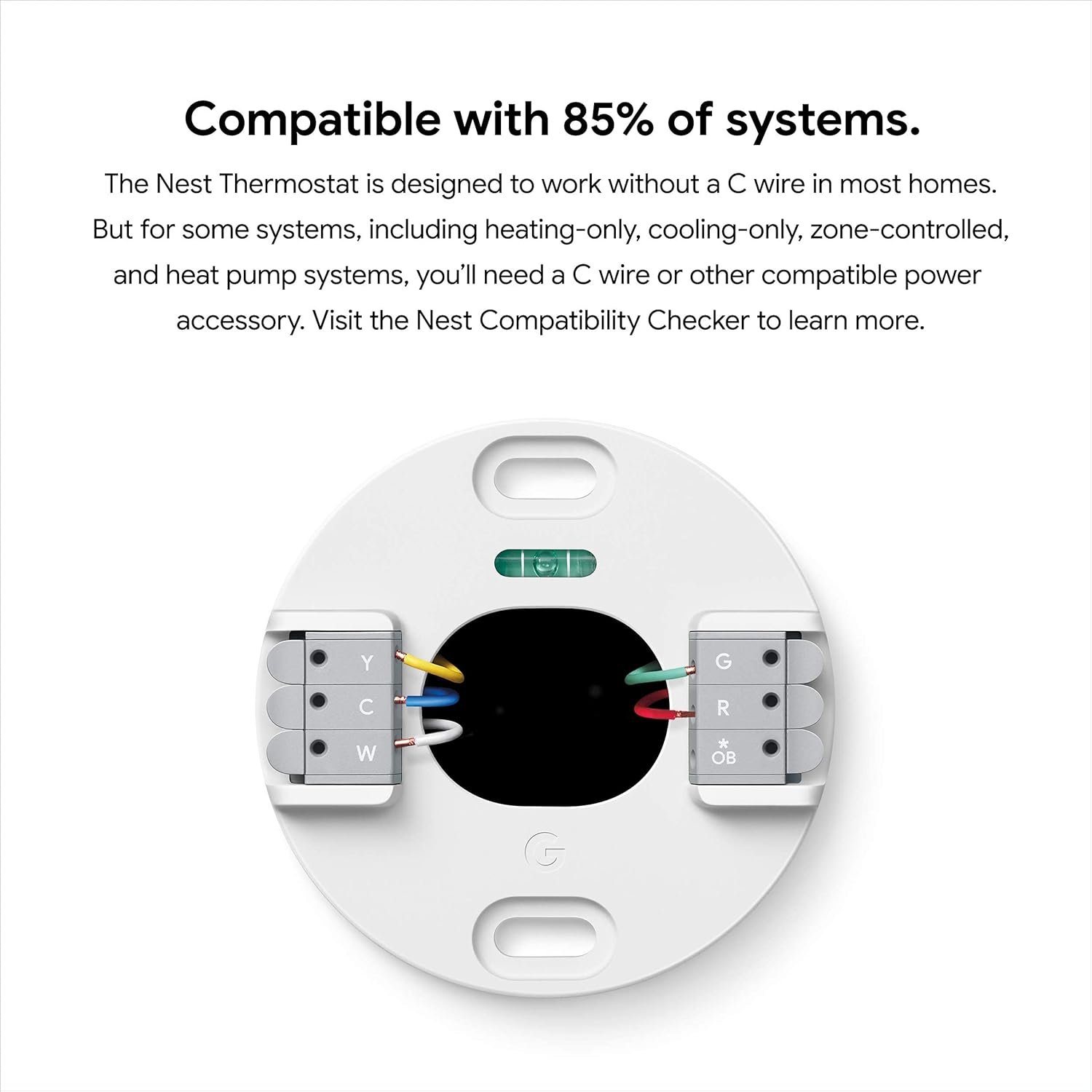
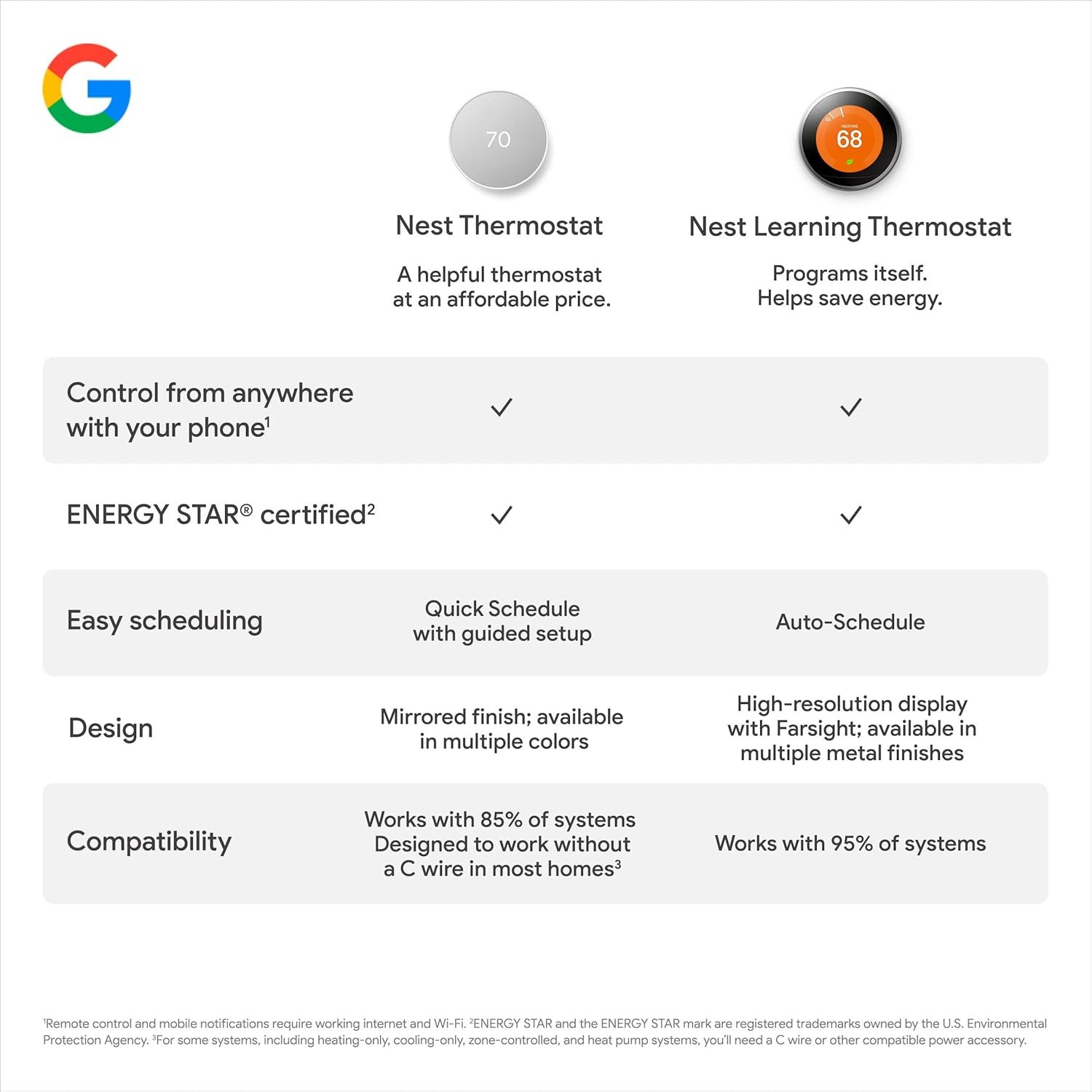
- May need C-wire in some systems
- No built-in temperature sensors for remote rooms
Table of Contents
Discover how the Google Nest Thermostat saves energy, enhances comfort, and offers smart control from anywhere. Sleek, simple, and efficient—upgrade your home today.
1. Introduction – A Smarter Way to Control Home Comfort
Home Temperature Control has evolved far beyond manual knobs and outdated thermostat models. With the introduction of smart thermostats like the Google Nest Thermostat, managing your indoor climate has become effortless, efficient, and intelligence-driven. Whether you are seeking to lower energy bills, create a more comfortable living environment, or integrate your HVAC system into a connected smart home setup, this innovative device makes advanced temperature management accessible to everyone.
Smart climate control systems adapt to your lifestyle, reduce wasted energy, and deliver personalized comfort without constant adjustment. Beyond convenience, effective home temperature control contributes to environmental sustainability and long-term savings, making it one of the most impactful upgrades for modern homeowners.

2. Sleek Design That Complements Any Home
A well-designed thermostat contributes to both function and aesthetics. The Google Nest Thermostat features a minimalist appearance with a mirrored display and an intuitive interface that enhances any interior space. According to the design experts at Architectural Digest, well-integrated smart home devices should “blend form and function,” improving user experience without detracting from décor:
https://www.architecturaldigest.com/story/smart-home-devices-design
Available in several color options—including Charcoal—this thermostat’s sleek profile ensures that your home temperature control solution looks as good as it performs. Whether your home embraces contemporary, traditional, or transitional design, this thermostat aligns with diverse architectural aesthetics.
3. Energy Efficiency That Saves You Money
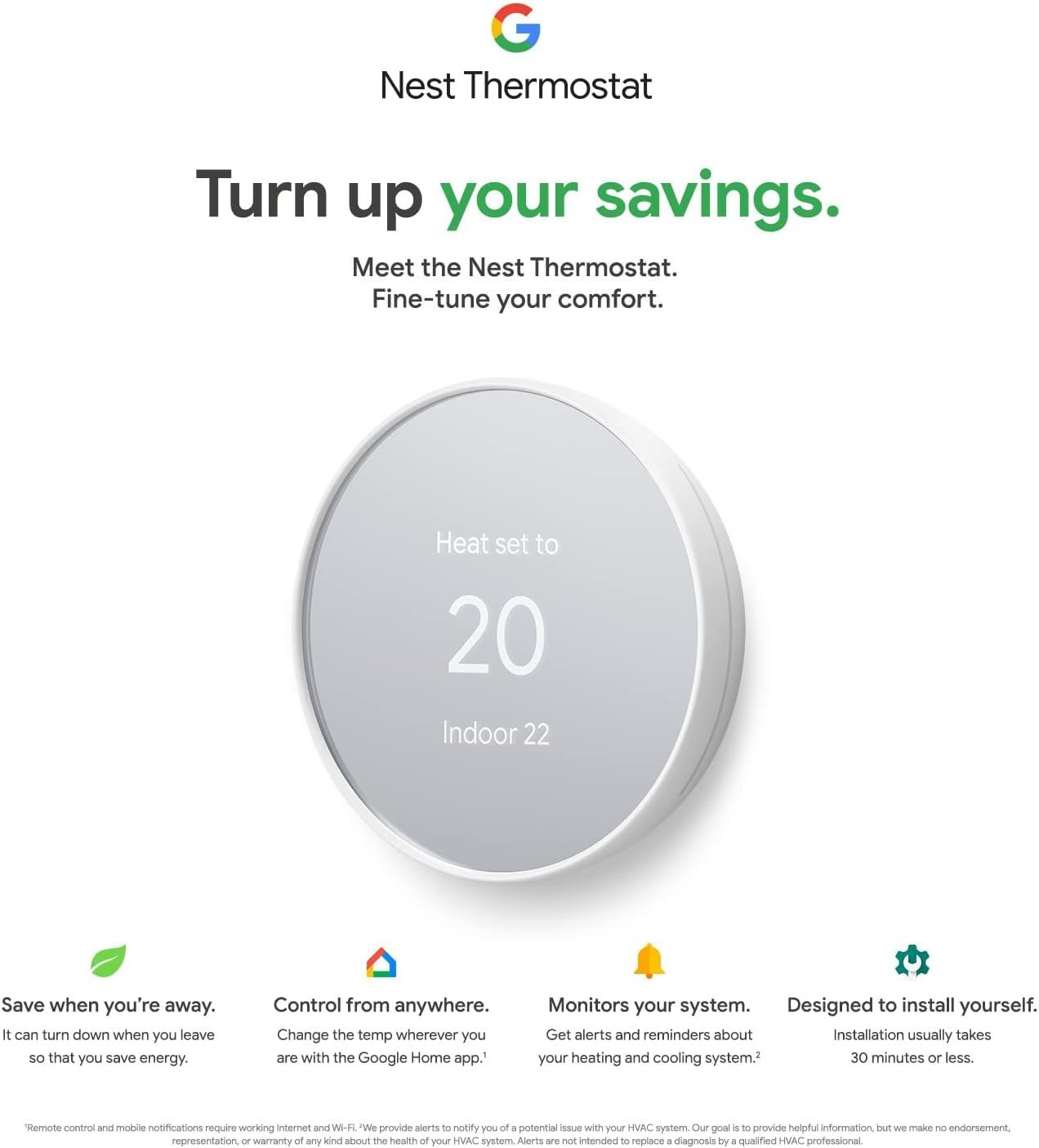
One of the biggest motivations for upgrading to a smart thermostat is the potential for reduced energy usage. The Google Nest Thermostat uses machine learning to discover your temperature preferences and anticipate your schedule, allowing the system to automatically adjust heating and cooling for optimal efficiency.
According to Google, homeowners can save up to 15% on cooling costs and 12% on heating costs annually with smart thermostats:
https://store.google.com/product/nest_thermostat
Industry research from the American Council for an Energy-Efficient Economy (ACEEE) supports this, indicating that smart thermostats can reduce energy consumption by optimizing HVAC runtime and minimizing unnecessary usage:
https://www.aceee.org/research-report/a1702
With features such as Eco Mode and detailed Energy History reports, this thermostat empowers you to make informed decisions about consumption while improving comfort through intelligent automation.
4. Smart Home Integration
In today’s connected household, the ability to shift seamlessly between devices is essential. The Google Nest Thermostat integrates effortlessly with the Google Home ecosystem, allowing users to control heating and cooling using voice commands and app-based controls.
For example:
- “Hey Google, set the temperature to 72 degrees.”
- “Hey Google, turn on Eco Mode.”
Voice control and remote adjustments via the Google Home app mean that home temperature control is available anywhere, whether you’re relaxing on the couch or away on vacation.
According to CNET’s Smart Home Guide, thermostat integration with existing smart home platforms is a key factor in choosing the best smart thermostat:
https://www.cnet.com/home/smart-home/best-smart-thermostat/
This integration extends beyond temperature alone—by linking with smart sensors, cameras, lighting, and even humidity monitors, the system becomes a central component of your connected living experience.
5. Easy Installation and Universal Compatibility
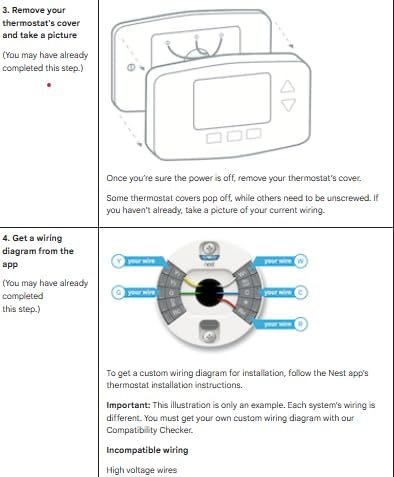
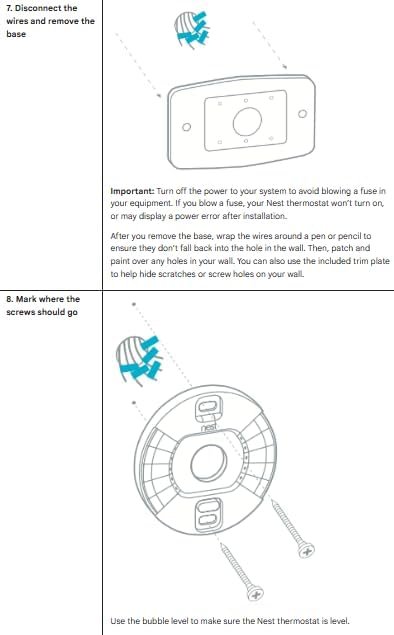
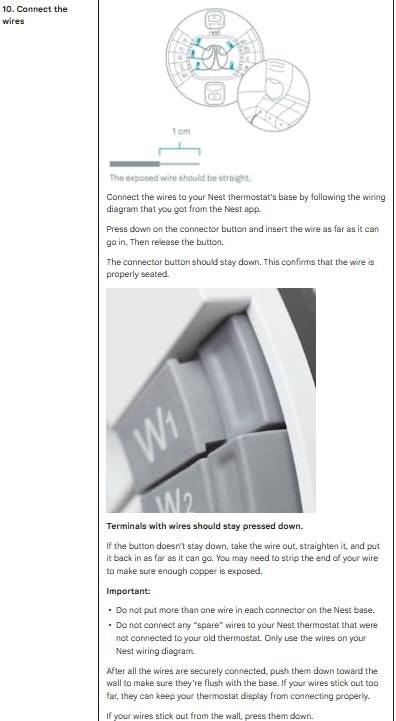
One of the most appealing aspects of modern thermostats is how simple the installation process can be. The Google Nest Thermostat typically installs in 30 minutes or less with the help of clear in-app guidance. Homeowners are reducing dependency on professional installers thanks to this user-friendly process.
This thermostat is compatible with a wide range of HVAC systems, including gas, electric, and forced air setups. Before purchase, users can check their system’s compatibility using the Nest Compatibility Checker available on Google’s support pages:
https://support.google.com/googlenest/answer/9247685
This universal compatibility and “plug-and-play” simplicity make this thermostat a top choice for those seeking efficient home temperature control without hassle.
6. Remote Control from Anywhere
In an era of mobility, remote functionality is a must. The Google Home app enables users to monitor and adjust temperatures from virtually anywhere with an internet connection. Forgot to lower the temperature before heading out for the weekend? No problem. With remote access, you can modify settings in seconds from your smartphone.
A Forbes Advisor review on smart thermostats emphasizes that remote access features not only enhance convenience but also allow users to adapt settings based on real-time weather or schedule changes, which further improves energy savings:
https://www.forbes.com/forbes-advisor/home-improvement/best-smart-thermostats/
This level of connectivity ensures that home temperature control aligns with your life—no matter where you are.
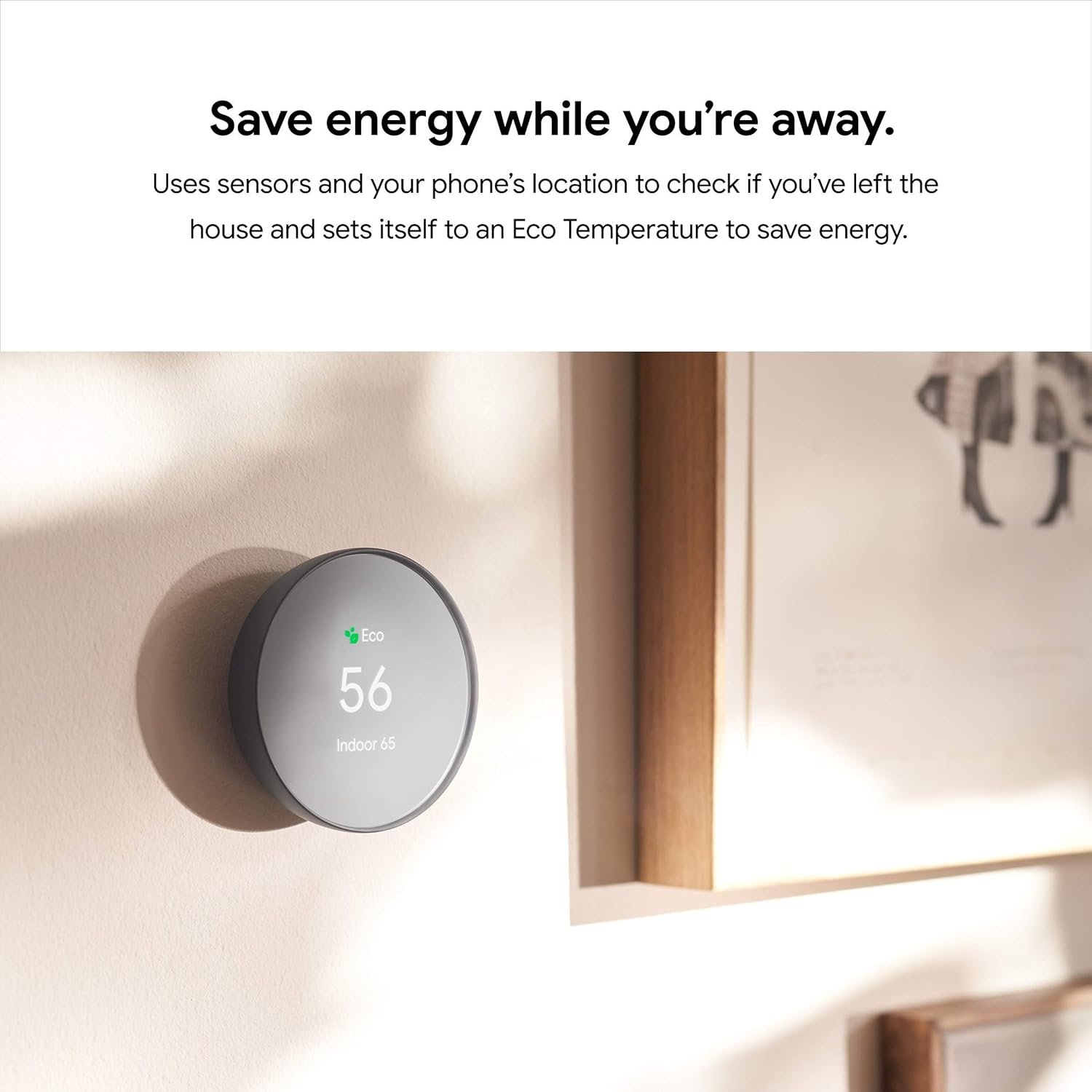
7. Eco Mode and Home/Away Assist
Two standout functions that make this thermostat particularly efficient are Eco Mode and Home/Away Assist. Together, these features help prevent wasted energy by adjusting settings automatically based on occupancy and usage patterns.
- Eco Mode: Activates when the system detects no one is home, helping maintain balanced temperatures while conserving energy.
- Home/Away Assist: Uses built-in sensors and your smartphone’s location to determine whether you’re home or away, making smart adjustments accordingly.
This kind of automation ensures that your heating and cooling systems are working only when required, maximizing savings while preserving comfort.
The Environmental Protection Agency (EPA) recognizes smart thermostat features like these as valuable tools for increasing energy efficiency and reducing waste:
https://www.energystar.gov/products/heating_cooling/smart_thermostats
8. Insightful Energy Reports
A key advantage of modern temperature management systems is the transparency they provide into energy usage. The Google Nest Thermostat tracks your heating and cooling patterns and generates Energy History reports that show when your HVAC system runs and why.
These reports help uncover trends such as excessive usage or times of unnecessary operation, allowing you to fine-tune settings for better performance. The Energy Information Administration highlights that residential HVAC systems account for a significant portion of household energy consumption, indicating the value of tools that improve efficiency:
https://www.eia.gov/consumption/residential/reports/2019/overview.php
By visualizing usage patterns, you get actionable insights that contribute to better home temperature control and reduced costs.
9. Enhanced Comfort All Year Round
Whether it’s a freezing winter morning or an unusually warm summer afternoon, maintaining a steady, comfortable indoor temperature enhances well-being and productivity. The advanced algorithms in the Google Nest Thermostat continually learn your preferences, adapting automatically for a seamless experience.
While automation handles much of the workload, the intuitive interface still allows manual adjustments for situations that require immediate control. This balance between smart automation and user flexibility creates a highly personalized climate experience for every season.
10. Durability and Long-Term Value
Investing in a smart thermostat is not just about immediate benefits—it’s about long-term reliability and value. The Google Nest Thermostat is built with quality materials and backed by Google’s broad ecosystem and ongoing software support, ensuring durability and updates over time.
The long-term value comes not only from energy savings but also from the increased convenience of automated comfort controls and remote management. Over time, the cumulative reduction in energy costs often outweighs the initial purchase price, making it a financially sound home upgrade.
According to Consumer Reports, long-term satisfaction with smart thermostats is high among users who prioritize both comfort and energy savings:
https://www.consumerreports.org/cro/smart-thermostats/buying-guide
11. Final Verdict – Why the Google Nest Thermostat Is Worth It
In a world where connected devices increasingly contribute to convenience and efficiency, the Google Nest Thermostat stands out as a smart solution for home temperature control. It pairs elegant design with advanced functionality, creating a thermostat that is both easy to use and powerful in performance.
From remote access to energy tracking, from automatic adjustments to voice control, this device redefines comfort management. Whether you are new to smart home technology or upgrading your existing system, the Google Nest Thermostat represents a future-ready choice that delivers ongoing benefits.
If you’re ready to take control of your indoor climate while saving energy and enhancing comfort, this thermostat is an intelligent investment that pays off over time.

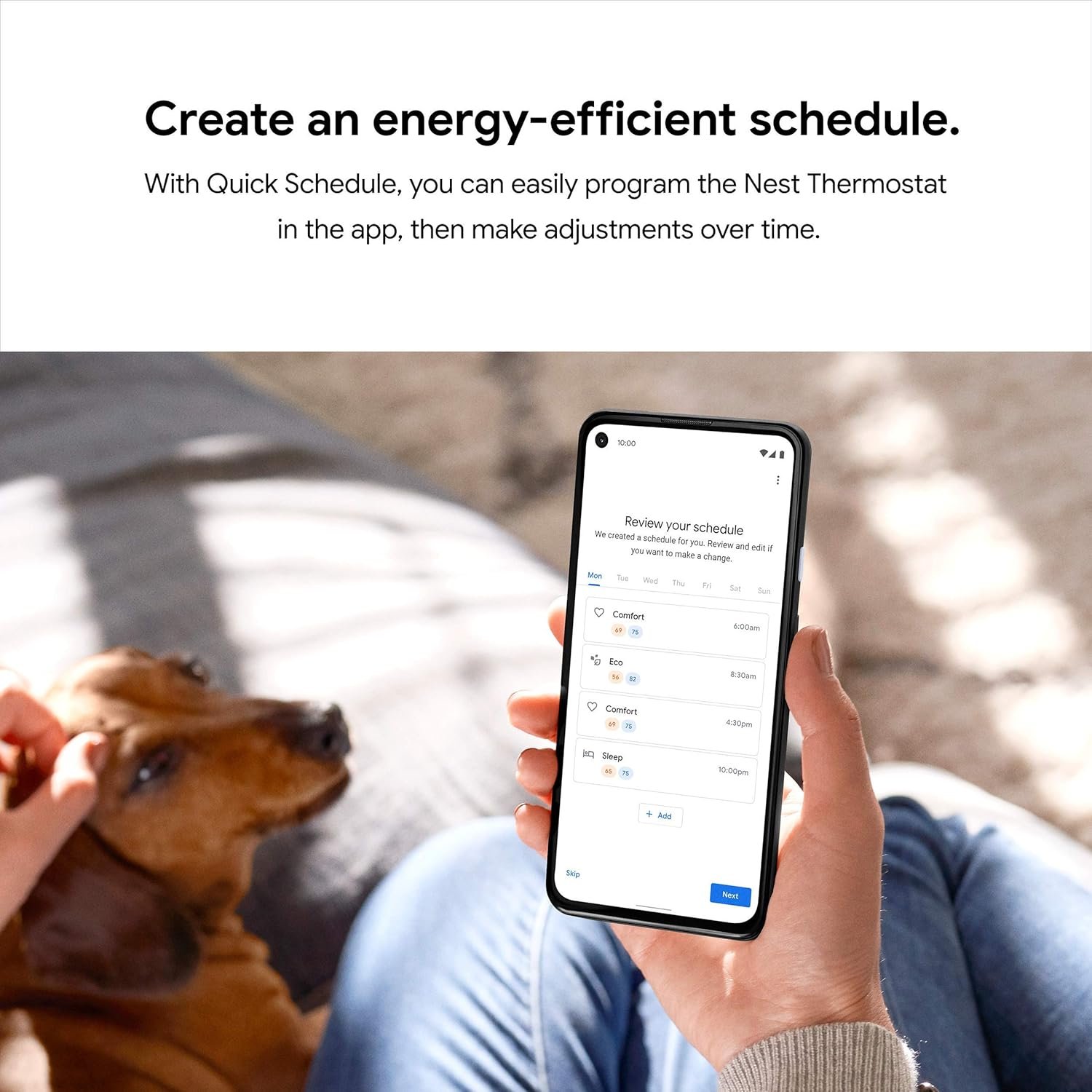
12. Automated Scheduling for Efficient Home Temperature Control
One of the key advantages of modern thermostats is the ability to create automated schedules for home temperature control. By programming heating and cooling cycles based on your daily routine, you can ensure that your home is always comfortable when needed and energy isn’t wasted when it’s empty. According to the U.S. Department of Energy, scheduling your thermostat can reduce energy consumption by up to 10–15% annually:
https://www.energy.gov/energysaver/save-electricity-and-fuel/thermostats
Smart devices like the Google Nest Thermostat take this a step further by learning your habits automatically, adjusting temperature settings without manual input. This makes home temperature control effortless while maximizing efficiency.
13. Zoning Systems and Home Temperature Control
For larger homes or multi-story buildings, zoning systems can significantly enhance home temperature control. Zoning allows different areas of the house to maintain individual temperature settings, ensuring every room remains comfortable without overheating or overcooling others. According to HVAC.com, zoning systems are one of the most effective ways to improve efficiency and comfort simultaneously:
https://www.hvac.com/air-conditioning/home-zoning-systems/
When paired with smart thermostats, zoning enhances home temperature control, providing tailored comfort and reducing wasted energy across multiple spaces.
14. Mobile and Voice Access to Home Temperature Control
Another reason smart thermostats dominate modern climate management is remote access. With apps on smartphones and tablets, homeowners can manage home temperature control from anywhere, whether it’s adjusting the heat on a chilly morning or turning on the AC during summer trips.
According to CNET, mobile and voice-enabled devices enhance convenience and control, allowing users to maintain optimal comfort levels at all times:
https://www.cnet.com/home/smart-home/best-smart-thermostat/
This level of connectivity makes home temperature control more responsive and personalized than ever before.
15. Integrating Sensors for Smarter Home Temperature Control
Advanced smart thermostats use motion and occupancy sensors to optimize home temperature control. These sensors detect when a room is occupied and adjust heating or cooling accordingly, ensuring energy is not wasted on empty spaces. The Environmental Protection Agency (EPA) highlights the benefits of occupancy sensors in reducing energy consumption and improving efficiency:
https://www.energystar.gov/products/heating_cooling/smart_thermostats
By integrating sensor technology, your home temperature control system becomes not just reactive but intelligently proactive.
16. Seasonal Adaptation and Home Temperature Control
Seasonal changes require flexible home temperature control strategies. A smart thermostat can adapt automatically to fluctuations in outdoor temperature, maintaining indoor comfort throughout winter, spring, summer, and fall.
According to the Department of Energy, optimizing HVAC operation seasonally can prevent energy waste while preserving indoor comfort:
https://www.energy.gov/energysaver/maintaining-your-heating-cooling-systems
This adaptive approach ensures that your home temperature control remains efficient and cost-effective all year long.
17. Energy Reporting for Optimized Home Temperature Control
Detailed energy reporting is a feature of modern thermostats that strengthens home temperature control. By tracking heating and cooling patterns, smart devices can provide insights into energy usage, helping homeowners make informed adjustments.
Energy Star emphasizes that monitoring and analyzing energy data leads to better efficiency and reduced utility bills:
https://www.energystar.gov/products/heating_cooling/smart_thermostats
With these insights, home temperature control evolves from a simple comfort feature into a tool for long-term cost savings and environmental responsibility.
👉 Check the Latest Price on Amazon and Upgrade Your Home Temperature Control Today!

- ENERGY STAR certified smart thermostat for home that helps you save energy and stay comfortable.Connectivity : Wi-Fi – 8…
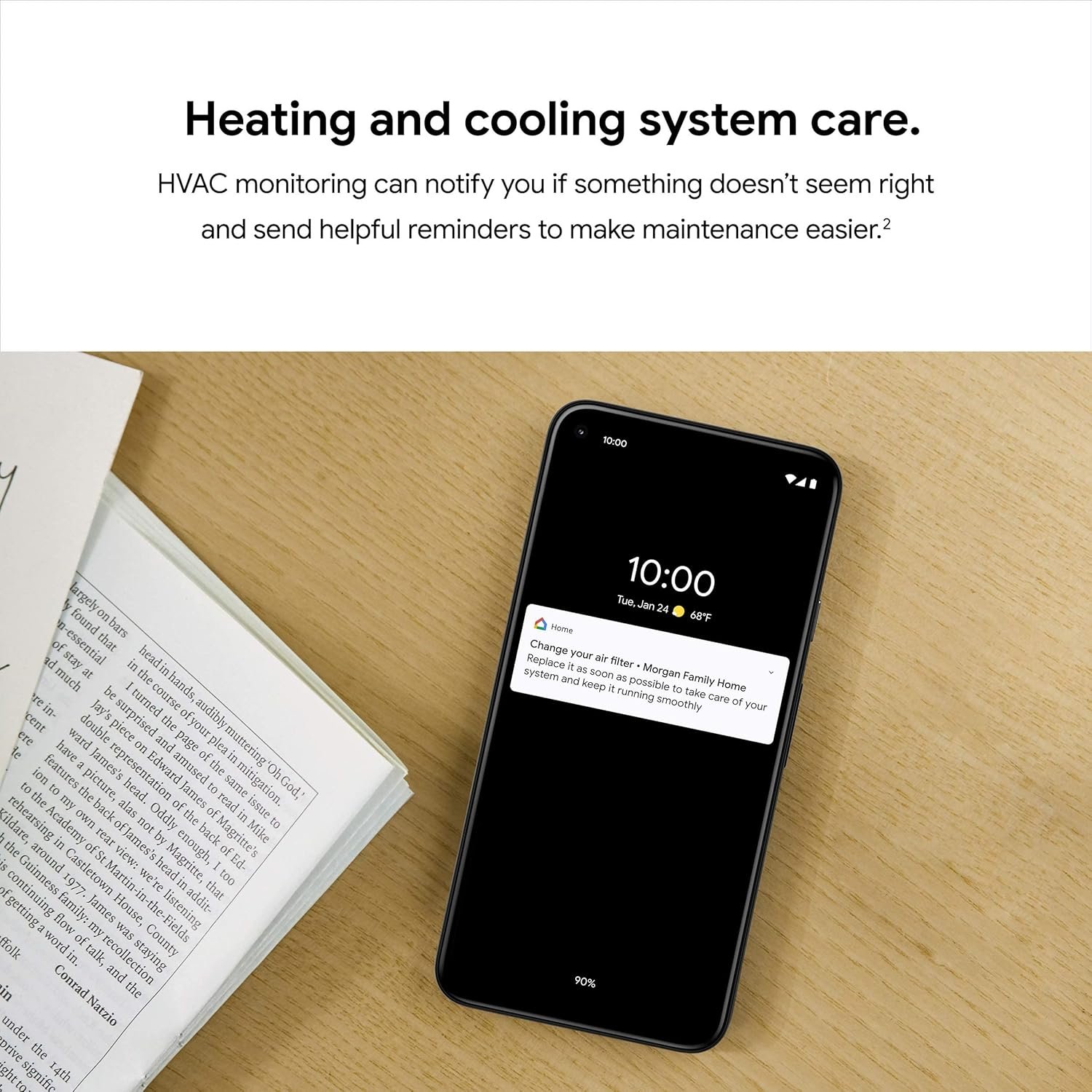
- The Nest Thermostat is designed to work without a C wire in most homes, but for some systems, including heating only, co…
- Nest Thermostat turns itself down when you leave, so you don’t waste energy heating or cooling an empty home. Lock featu…
$99.99