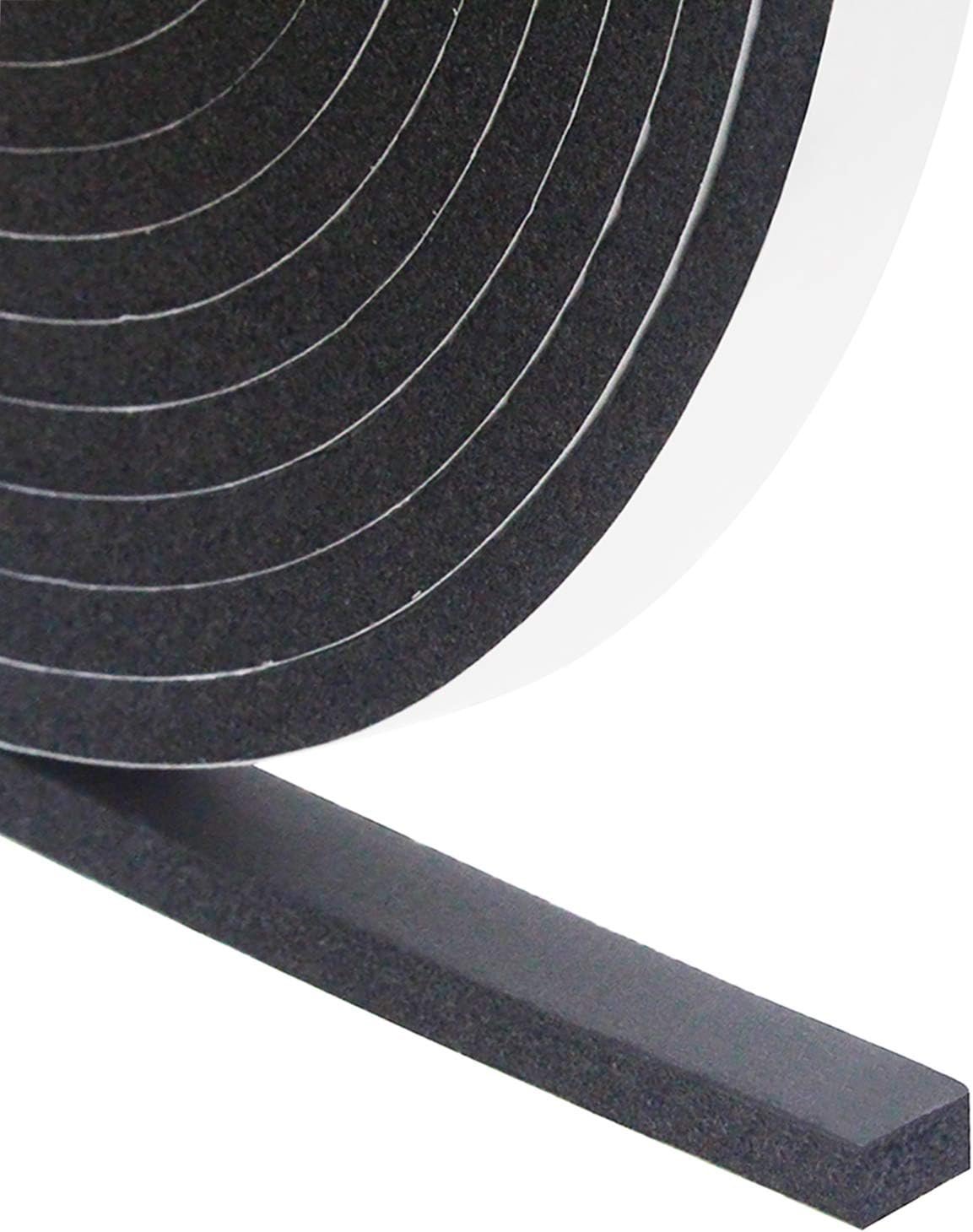
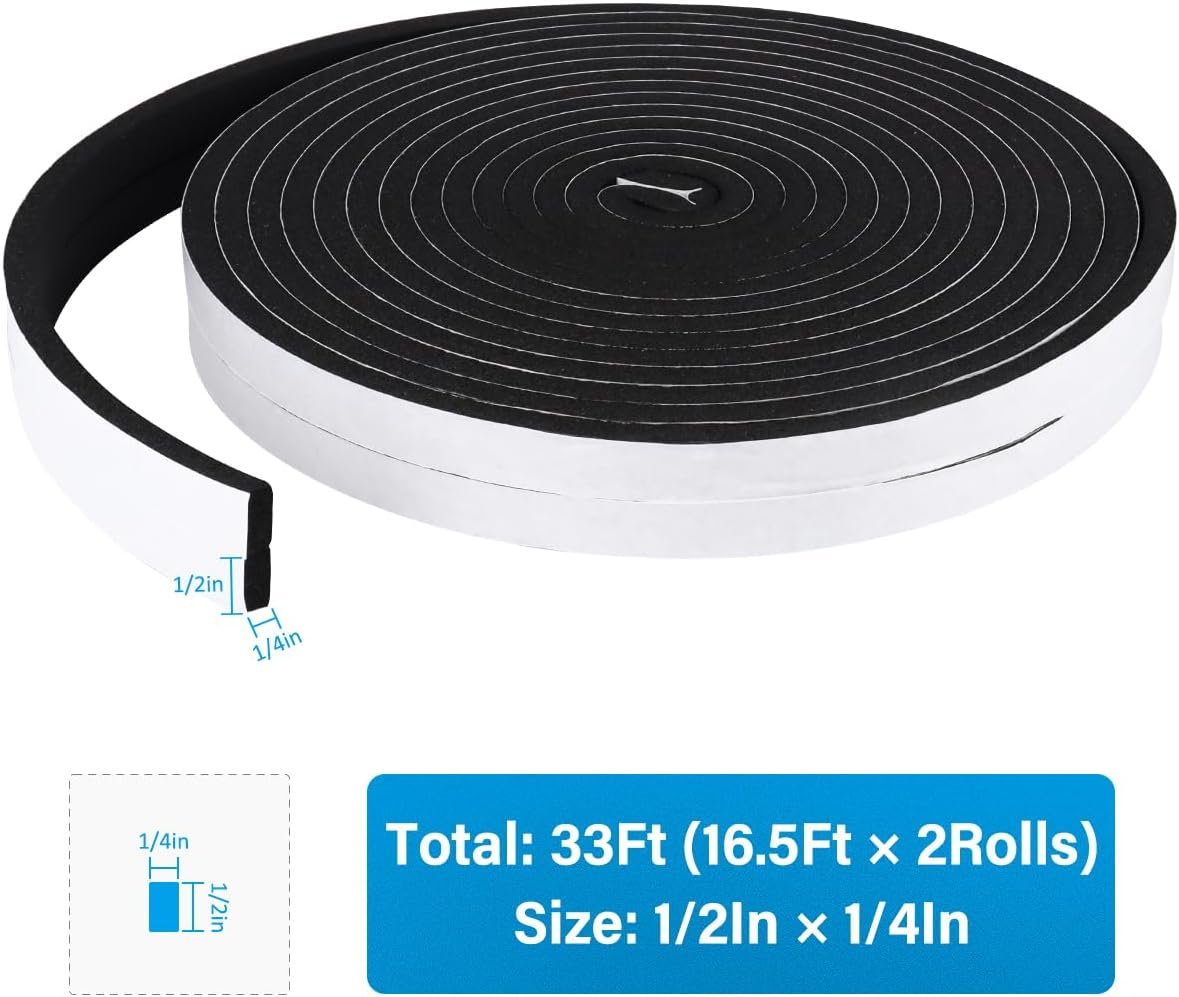

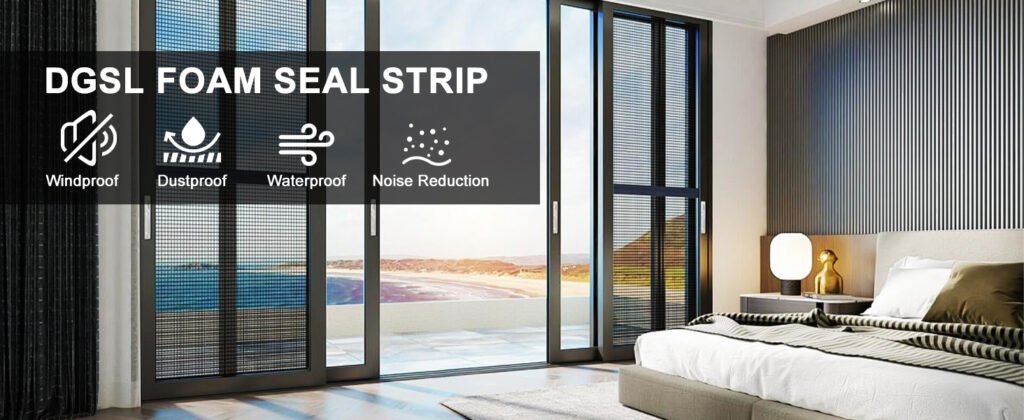
The DGSL Weather‑Stripping & Insulation Seal Strip provides an easy and effective solution to block drafts, dust, moisture, and noise around doors and windows. Made from flexible, self-adhesive foam, it adapts to uneven gaps for a quick DIY installation that improves insulation and energy efficiency. Upgrade your home’s comfort and reduce energy loss—install this versatile seal strip today for year-round protection.
Table of Contents
A Foam Insulation Tape is one of the easiest and most effective ways to enhance your home’s comfort and energy efficiency. This versatile weather-stripping strip blocks drafts, moisture, dust, and noise around doors and windows, keeping your home cleaner, quieter, and more comfortable year-round. The Universal Weather-Stripping & Insulation Seal Strip is made from flexible, weather-resistant rubber that adapts to uneven gaps, providing a snug seal and an easy DIY upgrade.
In this comprehensive guide, we’ll explore the benefits of foam insulation, installation techniques, material options, maintenance tips, and practical ways to improve energy efficiency.
Why Choose Foam Insulation Tape
Many homeowners underestimate the importance of sealing gaps around doors and windows. Even small leaks can account for significant energy loss. Using a door and window seal like foam insulation tape offers several benefits:
- Blocks Drafts: Prevents cold air in winter and hot air in summer from entering your home.
- Moisture Resistance: Helps prevent water from seeping in, reducing the risk of mold and mildew.
- Dust and Debris Barrier: Keeps out dirt, pollen, and small insects.
- Noise Reduction: Dampens outdoor sounds, enhancing indoor comfort.
- Energy Efficiency: Reduces heating and cooling costs by preventing air leaks.
The Universal Weather-Stripping & Insulation Seal Strip is flexible and easy to install, making it suitable for most doors and windows.
Materials and Types of Insulation Strips
Selecting the right foam seal strip ensures optimal performance. Common materials include:
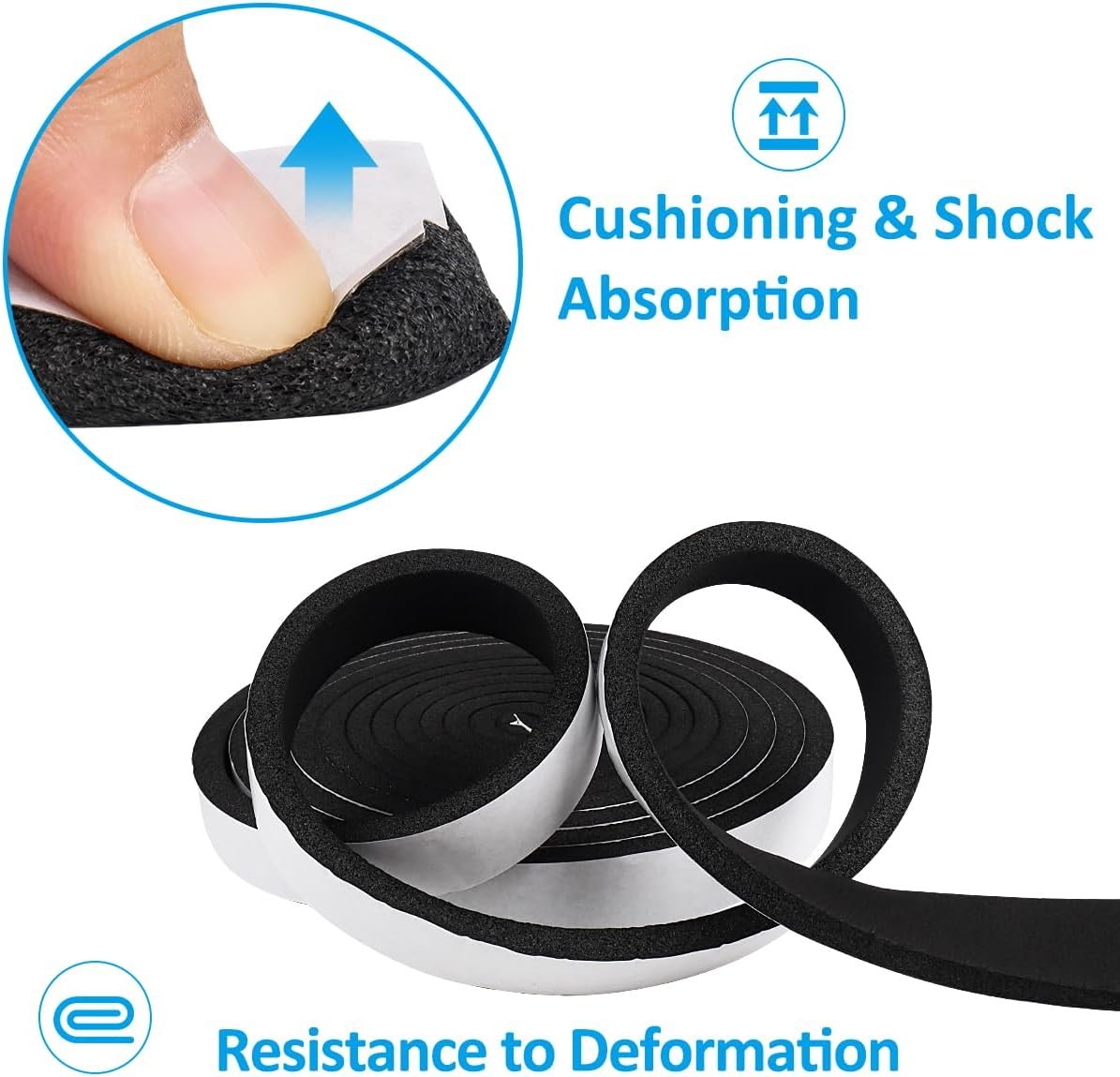
- EPDM Rubber Foam: Durable, resistant to UV rays, temperature extremes, and moisture.
- Polyurethane Foam: Lightweight and flexible, ideal for sealing small gaps.
- Closed-Cell Foam: Dense structure blocks air and water effectively.
- Open-Cell Foam: Softer, compressible, good for soundproofing but less moisture-resistant.
The Universal Insulation Seal Strip is usually made from closed-cell rubber foam, combining air sealing, water resistance, and noise reduction.
Applications Around the Home
A flexible insulation strip can be used in multiple areas:
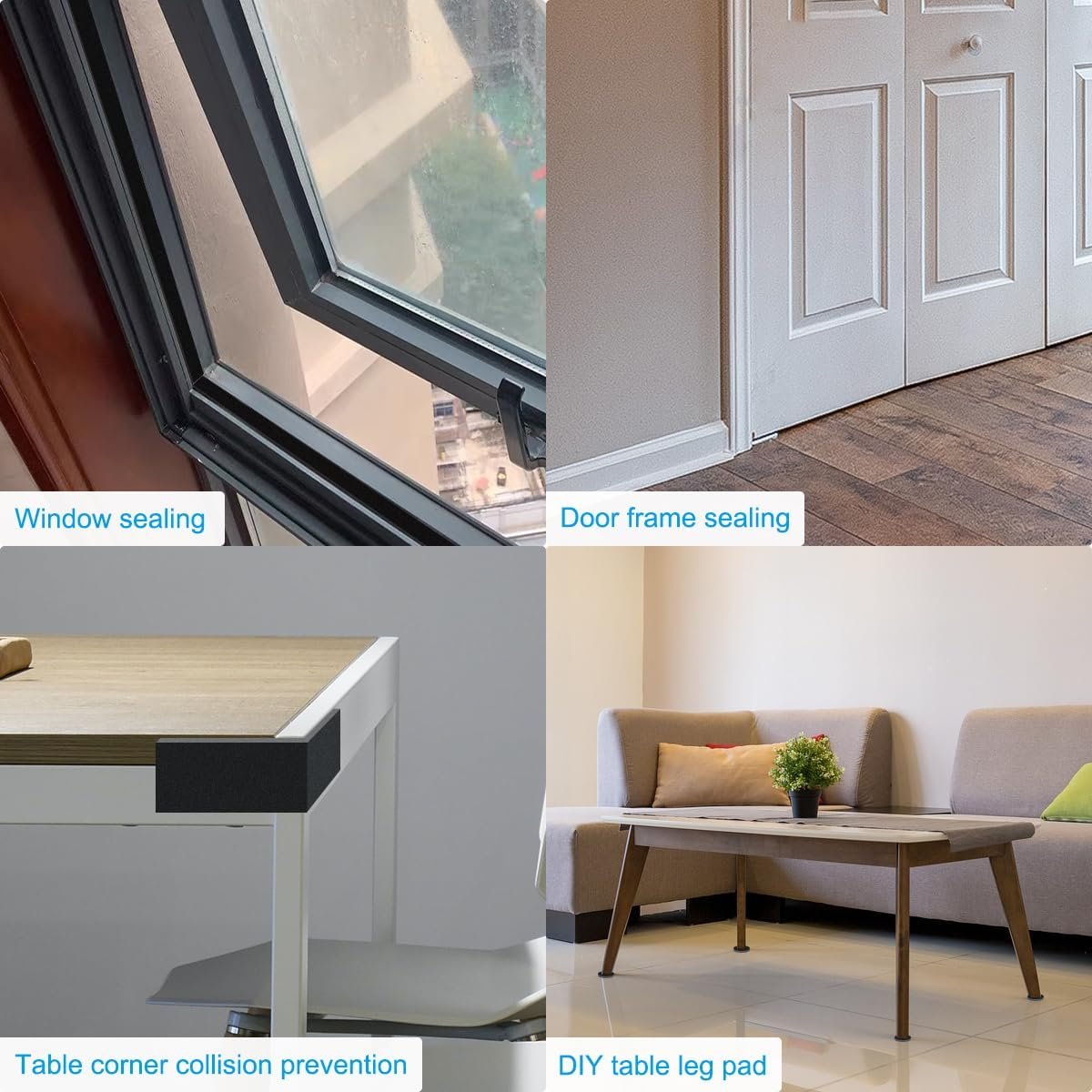
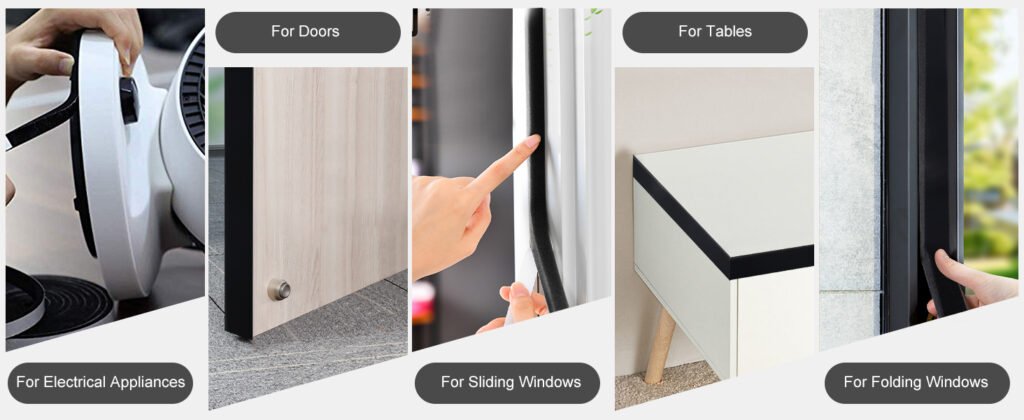
- Doors: Place along edges or bottoms of exterior doors to stop drafts and water.
- Windows: Apply to sashes, sliding tracks, or frames to block air leaks.
- Garage Doors: Seal the bottom or sides to prevent debris, drafts, and water.
- Attics and Basements: Use around vents or gaps where pipes penetrate walls.
- HVAC Units: Seal leaks around units for better energy efficiency.
Properly applied weather-stripping improves comfort and protects your home year-round.
Benefits of Installing an Insulation Strip
Installing a door or window seal offers multiple advantages:
- Energy Savings: Reduces heating and cooling demands, lowering utility bills.
- Enhanced Comfort: Eliminates drafts and cold spots in living areas.
- Moisture Protection: Reduces condensation and prevents damage to walls and floors.
- Noise Reduction: Soft foam absorbs outside noise.
- Quick DIY Upgrade: Easy installation without special tools.
Even minor leaks can have a big impact on energy costs. Using a foam insulation strip is a simple, cost-effective solution.
Step-by-Step Installation
Installing a foam insulation tape is straightforward:
- Measure the Gap: Determine the length needed to cover gaps around doors or windows.
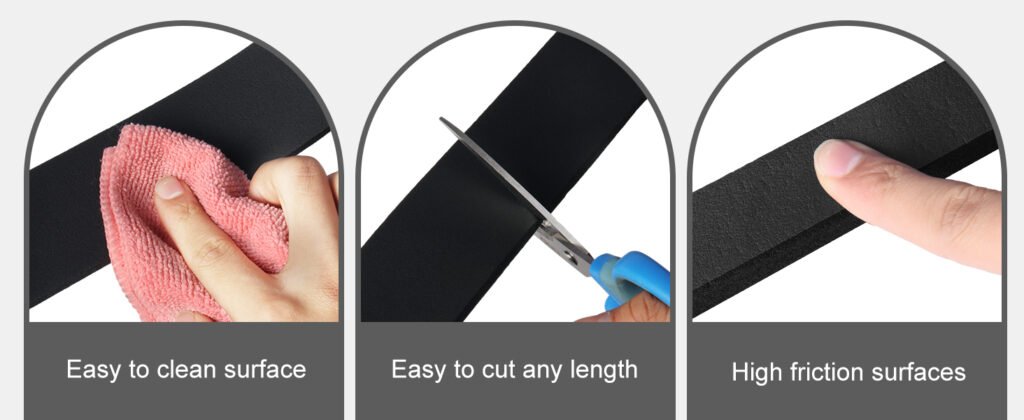
- Clean the Surface: Remove dust, dirt, or grease for better adhesion.
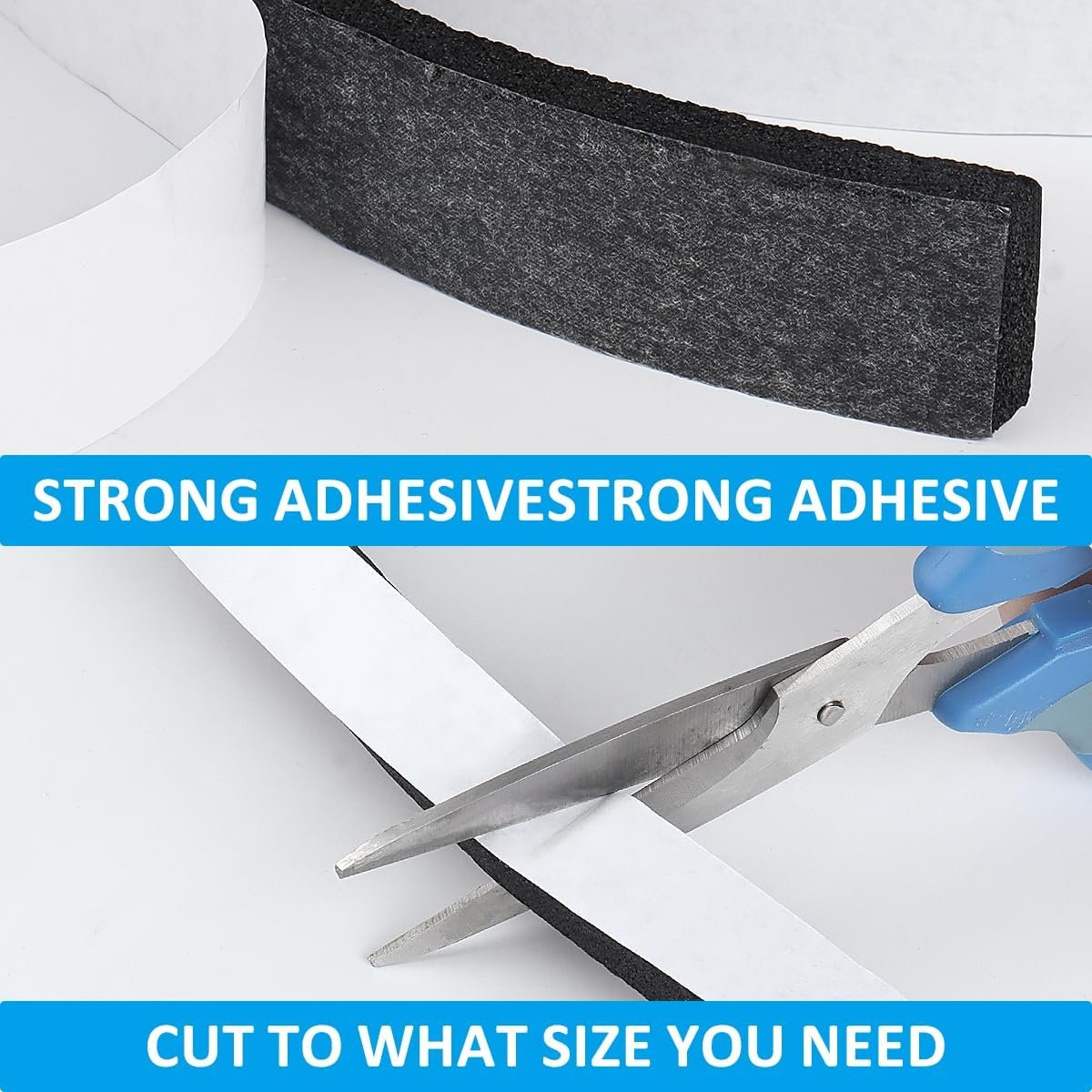
- Cut the Strip: Trim the foam insulation tape to the required length using scissors or a utility knife.
- Attach the Seal: Peel off adhesive backing and press firmly onto the surface.
- Compress the Foam: Ensure the strip forms a snug seal along the edges.
- Test the Seal: Close doors or windows and check for light, airflow, or leaks. Adjust as needed.
The Universal Weather-Stripping & Insulation Seal Strip is flexible, so it easily adapts to uneven surfaces.
Maintenance Tips
Maintaining your door or window seal ensures long-lasting performance:
- Inspect Regularly: Check for peeling, cracks, or compression loss.
- Clean Gently: Wipe with a damp cloth. Avoid harsh chemicals.
- Replace When Needed: Replace foam that has worn down or lost adhesion.
- Protect from Sunlight: Prolonged UV exposure can degrade foam. Use shaded installations if possible.
A little maintenance keeps your foam insulation tape effective for years.
Choosing the Right Tape
When selecting a foam insulation tape, consider:
- Material Quality: Closed-cell, weather-resistant foam performs best.
- Width and Thickness: Ensure it matches the gap you want to seal.
- Adhesive Strength: Stickiness should hold firmly over time.
- Flexibility: Able to conform to uneven surfaces for a continuous seal.
- Durability: UV-resistant and able to withstand temperature changes.
The Universal Insulation Seal Strip meets these requirements, making it suitable for most applications.
Energy Efficiency and Cost Savings
Sealing gaps with foam insulation tape can reduce energy bills by up to 10%. Benefits include:
- Retaining heat in winter and cool air in summer.
- Reducing strain on heating and cooling systems.
- Lowering overall energy consumption.
This inexpensive DIY upgrade is a smart investment for energy-conscious homeowners.
Noise Reduction
Foam insulation strips also act as sound dampeners:
- Reduce traffic noise from outside.
- Minimize HVAC or water pipe sounds.
- Improve privacy in bedrooms or offices.
By absorbing sound, weather-stripping adds another layer of comfort to your home.
DIY vs Professional Installation
Most homeowners can install foam insulation tape themselves:
- No special tools required.
- Quick installation, often under an hour.
- Flexible and adjustable to fit most surfaces.
Professional help is only needed for large-scale or unusually complex installations.
Common Uses and Tips
- Front and Back Doors: Prevent drafts and water entry.
- Sliding Doors and Windows: Seal moving panels.
- Garage Entry Doors: Block air and moisture.
- Utility Rooms: Seal gaps around water heaters, HVAC units, or laundry areas.
Even small adjustments with foam insulation tape can yield big energy and comfort improvements.
FAQ
Q: Can foam insulation tape be used on uneven surfaces?
A: Yes. Its flexibility allows it to conform to irregular edges for a tight seal.
Q: How long does it last?
A: High-quality strips last 3–5 years depending on exposure and usage.
Q: Is it easy to remove?
A: Yes. Most strips peel off without damaging surfaces.
Q: Can it reduce noise?
A: Yes. Foam helps absorb sounds from outside or adjacent rooms.
Seal Gaps and Improve Home Comfort Easily
Foam Insulation Tape is a simple yet highly effective solution for sealing gaps around doors, windows, and other areas where air leaks commonly occur. By filling small cracks and uneven surfaces, it helps block drafts, dust, moisture, and noise. The U.S. Department of Energy recommends sealing air leaks as one of the fastest and most affordable ways to improve indoor comfort and reduce energy waste (https://www.energy.gov).
Boost Energy Efficiency and Lower Utility Bills
Installing Foam Insulation Tape can make a noticeable difference in your home’s energy efficiency. By preventing warm air from escaping in winter and hot air from entering during summer, this tape helps reduce strain on heating and cooling systems. According to Energy Star, proper air sealing can lower energy bills while maintaining consistent indoor temperatures (https://www.energystar.gov).
Flexible, Durable, and Easy to Apply
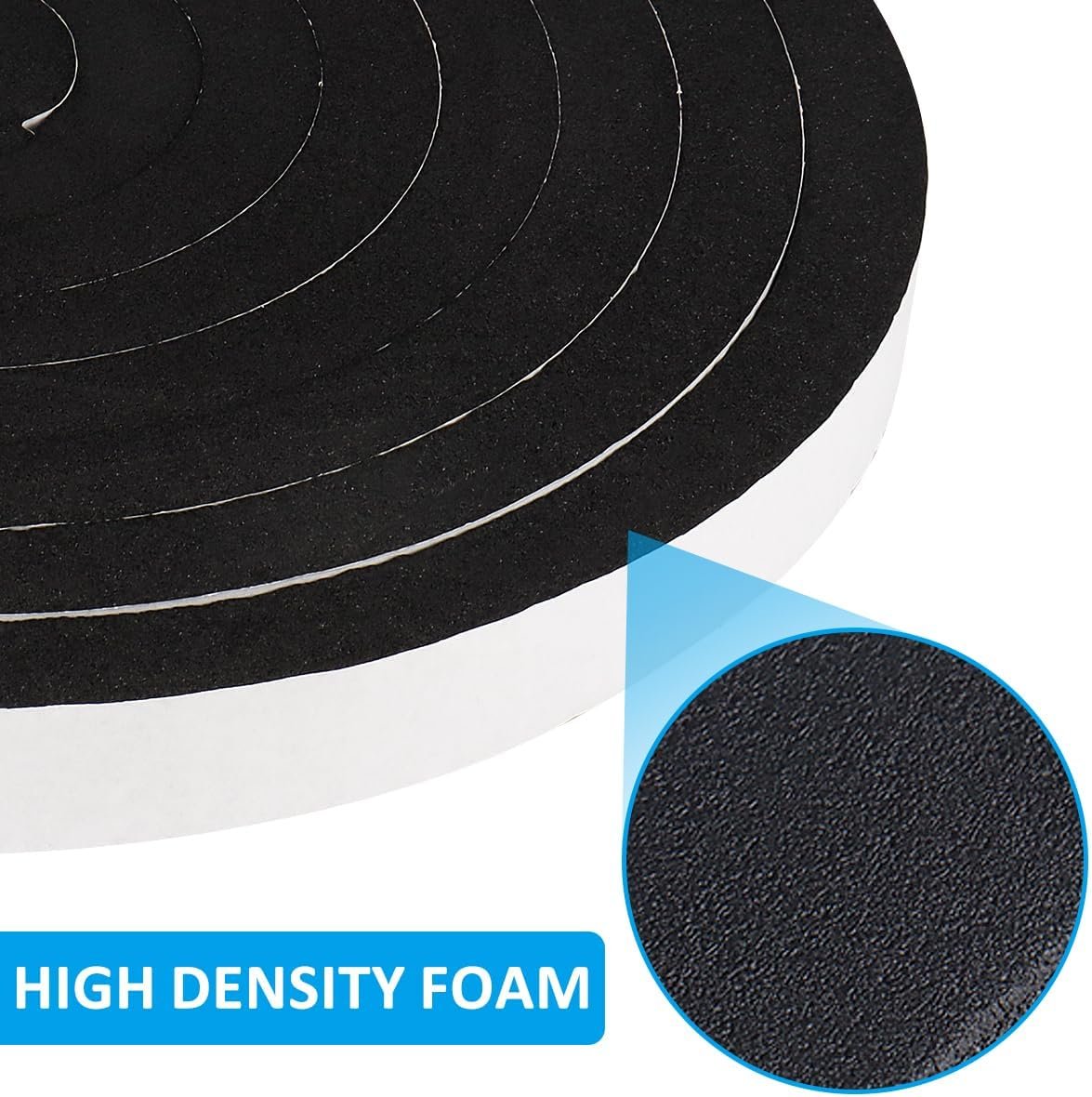
This Foam Insulation Tape is designed with flexible, high-density foam that conforms easily to irregular surfaces for a tight seal. Its strong adhesive backing ensures long-lasting performance without peeling or cracking over time. The Spruce highlights foam weatherstripping as one of the easiest DIY insulation upgrades for homeowners looking for quick results (https://www.thespruce.com).
A Cost-Effective DIY Upgrade for Any Home
Using Foam Insulation Tape is a budget-friendly way to improve insulation without professional installation. It’s ideal for doors, windows, appliances, HVAC vents, and even garage applications. If you’re looking for a fast, affordable upgrade that delivers immediate benefits, this insulation tape is a smart choice. 👉 Check the current price and availability on Amazon here: https://amzn.to/48PYmdP
Conclusion
A foam insulation tape is a simple, cost-effective solution for improving comfort, energy efficiency, and noise reduction in your home. The Universal Weather-Stripping & Insulation Seal Strip is flexible, durable, and easy to install, making it a perfect DIY upgrade for doors, windows, and other gaps.
By sealing drafts, moisture, dust, and noise, this insulation strip keeps your home cleaner, quieter, and more comfortable year-round. With proper installation and occasional maintenance, it will provide long-lasting protection and energy savings, making it an essential addition for any homeowner.
➡️ Check price on Amazon to get your foam insulation tape today.

- Foam Insulation Tape: The foam tape is made from environmental protection material, CR foam, Neoprene, which has excelle…
- High Density Foam Tape: Provides a perfect air-tight seal, sound proof, heat insulation, weather proof, oil resistance, …
- Closed Cell Foam Strip: Adjustable and Flexible. The Neoprene sponge foam tape is easy enough to customize and cut to si…
$8.99