

Table of Contents
Multifunctional furniture is transforming how people maximize living space as urban homes get smaller and more expensive. With smart solutions that combine storage, sleeping, work, and seating, these adaptable pieces are helping homeowners and renters make every square foot count in 2024.
Key Takeaways
- Multifunctional furniture is booming in cities due to rising real estate prices, remote work, and the need for space efficiency.
- True multifunctional solutions go beyond modularity, combining unique features like hidden storage, smart tech, and ergonomic design.
- Practical drawbacks include assembly hassles, comfort trade-offs, and high costs, but real-life case studies show big benefits for small apartments.
- 1. The Core Concept: What Is Multifunctional Furniture and Why Is It Essential?
- 2. Step-by-Step Guide: Choosing and Incorporating Multifunctional Furniture
- 3. Advanced Analysis & Common Pitfalls
- 4. Conclusion
- 5. FAQ
The Core Concept: What Is Multifunctional Furniture and Why Is It Essential?
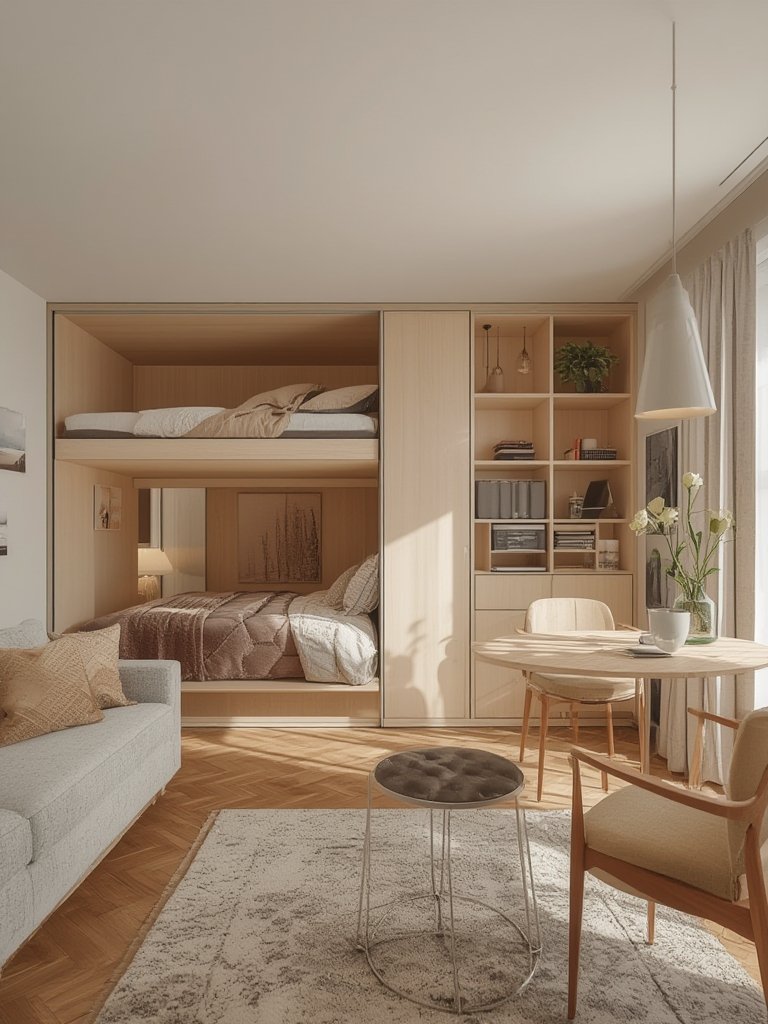
Multifunctional furniture refers to pieces that deliver two or more primary functions within one footprint, often blending bed, sofa, storage, workspace, or dining elements into a single, adaptable solution. Unlike standard modular setups that simply rearrange sections, multifunctional options transform—turning a wall unit into a bed, a coffee table into a desk, or a sofa into storage.
Driven by rapid urbanization, micro-apartments, and sky-high real estate prices, demand is especially strong in North America and fast-growing Asian cities. Whether it’s a modular sofa with integrated storage or a Murphy bed that disappears behind a wall, the goal is to make limited space feel open, comfortable, and fully functional both day and night. Industry data shows the multifunctional furniture market reached at least $7.3 billion in 2024, with sofa-beds alone dominating by revenue. Materials are trending toward sustainably sourced woods, recycled content, and lighter composites—for strength without unnecessary weight.
Step-by-Step Guide: Choosing and Incorporating Multifunctional Furniture
- Measure your available space. Sketch out your room dimensions, including all wall lengths, ceiling heights, and door/window placement. Mark obstacles that could restrict large furniture—from radiators to outlets.
- Prioritize primary uses. Decide what you need: daily sleeping, work-from-home, extra storage, hosting guests? Focused functionality prevents over-investing in unnecessary features.
- Set your budget and quality requirements. Entry-level wall desks may cost $70–150, but high-quality wall beds with storage can run $2,500 or more. Drill into weight limits, frame materials, and warranty details for each option.
- Assess installation needs. Will your solution require wall mounting to studs or masonry, or can it be free-standing? If you rent, avoid units needing permanent mounting.
- Check for technical limitations. Review product specs for weight capacity (e.g., beds often max at 500–800 lbs) and check if mechanisms are tuned for a specific mattress or load. Test folding actions in-store if possible or check detailed video reviews.
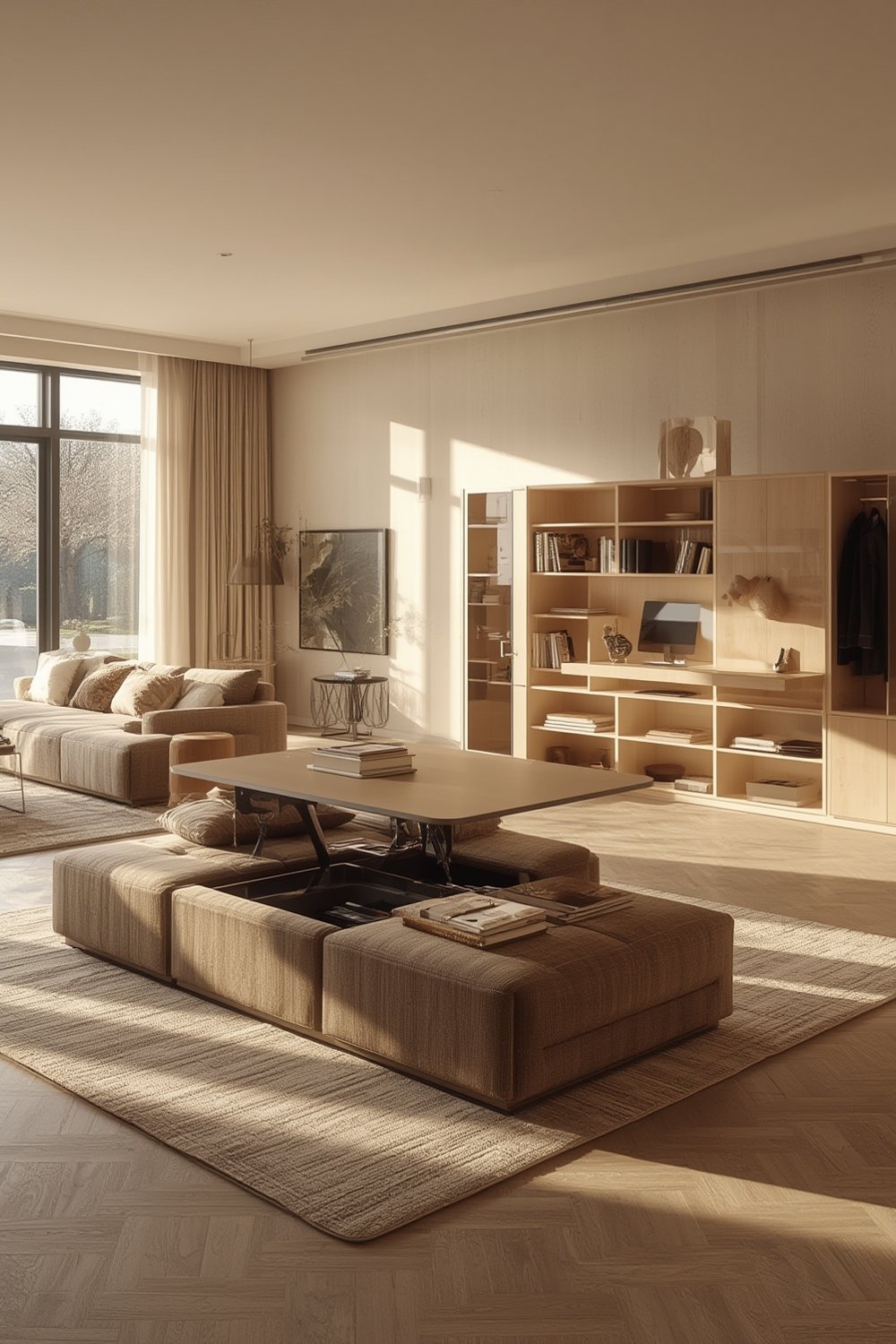
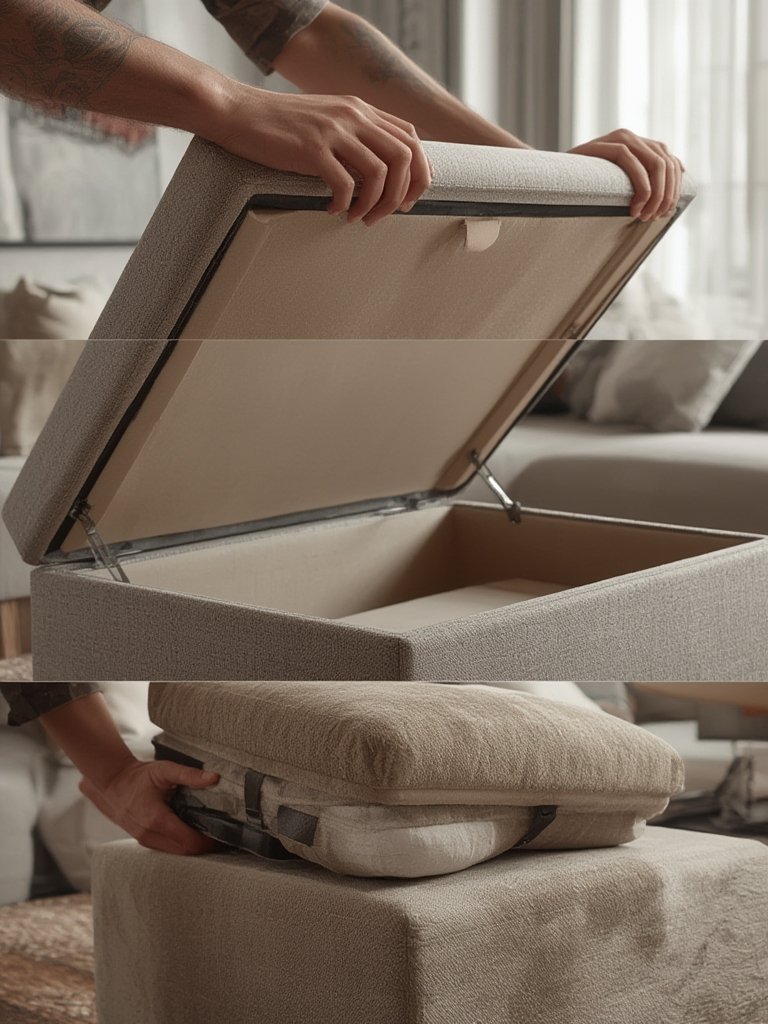
- Plan storage integration. Look for hidden storage: beds with lift-up platforms, sofas with side compartments, coffee tables with nested ottomans, or even solutions that incorporate wall shelves floating stylish to create visual openness. Evaluate how easy it is to access stored items, especially in tight floor plans.
- Evaluate aesthetic and comfort trade-offs. Some units look bulky or feel firm; try to balance usability versus style by choosing minimalist, clean-lined models developed specifically for small spaces. Low-profile hardware and concealed mechanisms often yield the best results.
- Think ahead for maintenance. Multifunctional designs have more moving parts. Choose reputable brands, check ease of cleaning around jointed areas, and see if replacement gas struts or hinges are available. Review customer feedback on long-term durability.
- Mix and match for maximum efficiency. Hybrid setups—like modular sofas paired with ultimate smart wall shelves or desks—allow evolving layouts as your needs change.
For added value, compare quoted prices against expected total ownership costs over several years—including delivery, assembly, possible repairs, and future ability to move or disassemble your purchase. Quality hinges and durable panels are worth the upfront cost if you move often or expect daily folding. If you’re seeking more inspiration on furniture that maximizes interior space, check out the amazing hands-on home furniture guide or our rustic dresser for bedroom tips to complement your multifunctional setup.
Advanced Analysis & Common Pitfalls
Even as multifunctional furniture solves critical space problems, practical drawbacks remain. Here’s what real users, market data, and reviews show:
- Assembly & Installation Frustrations: Many wall-mounted beds and desks require mounting to wall studs (not just drywall!), making DIY installs risky and professional assembly costly.
- Durability Issues: Moving parts—hinges, gas lifts, and sliders—can loosen, squeak, or misalign after repeated use if corners are cut on hardware.
- Comfort and Aesthetic Trade-offs: Foldable sofas and guest beds often lose in terms of mattress comfort and ergonomic support compared to dedicated pieces. Massive wall units can feel bulky and “utilitarian.”
- Value Perception: High price tags are a major criticism—especially if the furniture feels light or uses visible hardware or thin panels.
- Storage Accessibility: Under-bed drawers may not fully extend in compact bedrooms, and heavy mattress lifts can be awkward for daily use.
| Issue | Multifunctional Furniture | Standard Modular Furniture |
|---|---|---|
| Functions Combined | Bed+Desk, Sofa+Storage, Wall+Office | Sections, shelves, reconfiguration only |
| Smart Features | Integrated power, wireless charging, lighting | Rare or absent |
| Comfort/Ergonomics | Better in premium models, but often a compromise | Standard, as per dedicated pieces |
| Installation Complexity | High (wall-mounting, professional help) | Medium (snap-together modules, no wall work needed) |
| Typical Price Range | $150–$8,000+ | $200–$2,000 |
| Longevity/Mechanism Durability | Dependent on hardware quality; issues reported after heavy use | Higher due to fewer moving parts |
Many guides skip three critical advanced topics: quantitative lifecycle durability (how long do mechanisms last?), evidence-based ergonomics (impact of daily use on comfort and posture), and measured spatial ROI (how much “extra room” you gain and the actual impact on livability or rent savings). If you want deeper looks at keeping wood safe or getting more storage from smart kitchen design, see our ultimate wood care guide and smart kitchen recycling bins posts for actionable home improvement tips.
Real-world case studies in New York, Hong Kong, and Tokyo prove the benefit: micro-apartments as small as 22 m² become livable for a family by using a single fold-up wall to create both a living and sleeping area. Student dorms and APAC family homes under 60 m² see the most dramatic ROI—enabling spaces for work, sleep, and guests without paying for extra square footage. For authoritative pricing, growth, and technical details on the future of these products, check external sources like Grand View Research or Cognitive Market Research.
Conclusion
Multifunctional furniture offers a realistic, powerful way to overcome tight spaces, changing household arrangements, and urban housing costs. By blending beds, desks, sofas, and storage into a single piece, you can enjoy better usability—for a price. Remember to weigh technical details, comfort, access, and lifecycle costs before making a big investment. With careful planning, multifunctional furniture can transform even the smallest apartment. Start updating your space—measure, budget, prioritize comfort, and consider a test run before buying big-ticket items.
Want more ideas for maximizing every inch of your home? Browse our wall shelves floating stylish guide or read our latest on best kitchen anti fatigue mats for all-day usability.
FAQ
What’s the difference between multifunctional and modular furniture?
Multifunctional furniture combines two or more unique uses (e.g., bed plus desk), usually with transformation features. Modular furniture is about rearranging or recombining sections, such as adding more shelves or changing a sofa shape. Only high-end modular units sometimes deliver true multifunctionality.
Is multifunctional furniture worth the extra cost?
For most city dwellers, the space and usability gains justify the price—especially if it replaces several single-use pieces. However, beware of entry-level items with weak mechanisms; quality and user comfort vary widely.
Are there comfort issues with multifunctional beds or sofas?
Yes, many sofa beds and wall beds use thinner or segmented mattresses, causing some users to report discomfort or “bar feel.” Premium models with deeper, one-piece mattresses and good support systems are much more comfortable but cost more.
How durable is multifunctional furniture?
Durability depends on the quality of moving hardware. Top-tier products test hinges, struts, and locks for thousands of cycles, but cheaper options can loosen quickly with daily use. Always check warranty and service terms before buying.
Does installation require professional help?
Wall-mounted beds and desks often need professional installation, especially in older or rental buildings. Modular units are usually simpler to assemble, but larger wall systems or Murphy beds are best installed by pros for safety.