

Table of Contents
Glass food storage containers with lids are quickly replacing plastic in kitchens for a reason: they keep food fresh, are eco-friendly, and help organize your pantry or fridge in a healthier, more sustainable way.
Key Takeaways
- Glass containers with lids are the fastest-growing choice for meal prep and storage in 2024 due to their eco-friendliness and food safety.
- Glass offers better preservation and is more sustainable and reusable than plastic, though airtight performance and price variations require close attention before buying.
- Common pitfalls include concerns about lid leakage, breakage, and limited mainstream certification clarity—so careful product selection matters.
- Understanding Glass Food Storage Containers With Lids
- How to Choose and Use Glass Food Storage Containers With Lids
- Advanced Analysis & Common Pitfalls
- Conclusion
- Frequently Asked Questions
Understanding Glass Food Storage Containers With Lids
Glass food storage containers with lids are designed to keep your meals and leftovers safe from contaminants, retain freshness, and simplify meal prep. Unlike plastic containers, glass won’t leach chemicals, impart odors, or discolor with use. Glass is the fastest-growing material segment in the global food storage market, forecasted to capture 64% of the food and beverage container share by 2025 (source). Consumer trends for 2024 show a strong preference for glass due to its recyclability, reusability, and ability to preserve the flavor and quality of stored foods for longer periods. North America and Asia-Pacific lead this surge, with North American glass container revenue already exceeding USD 11.8 billion in 2022 (market report).
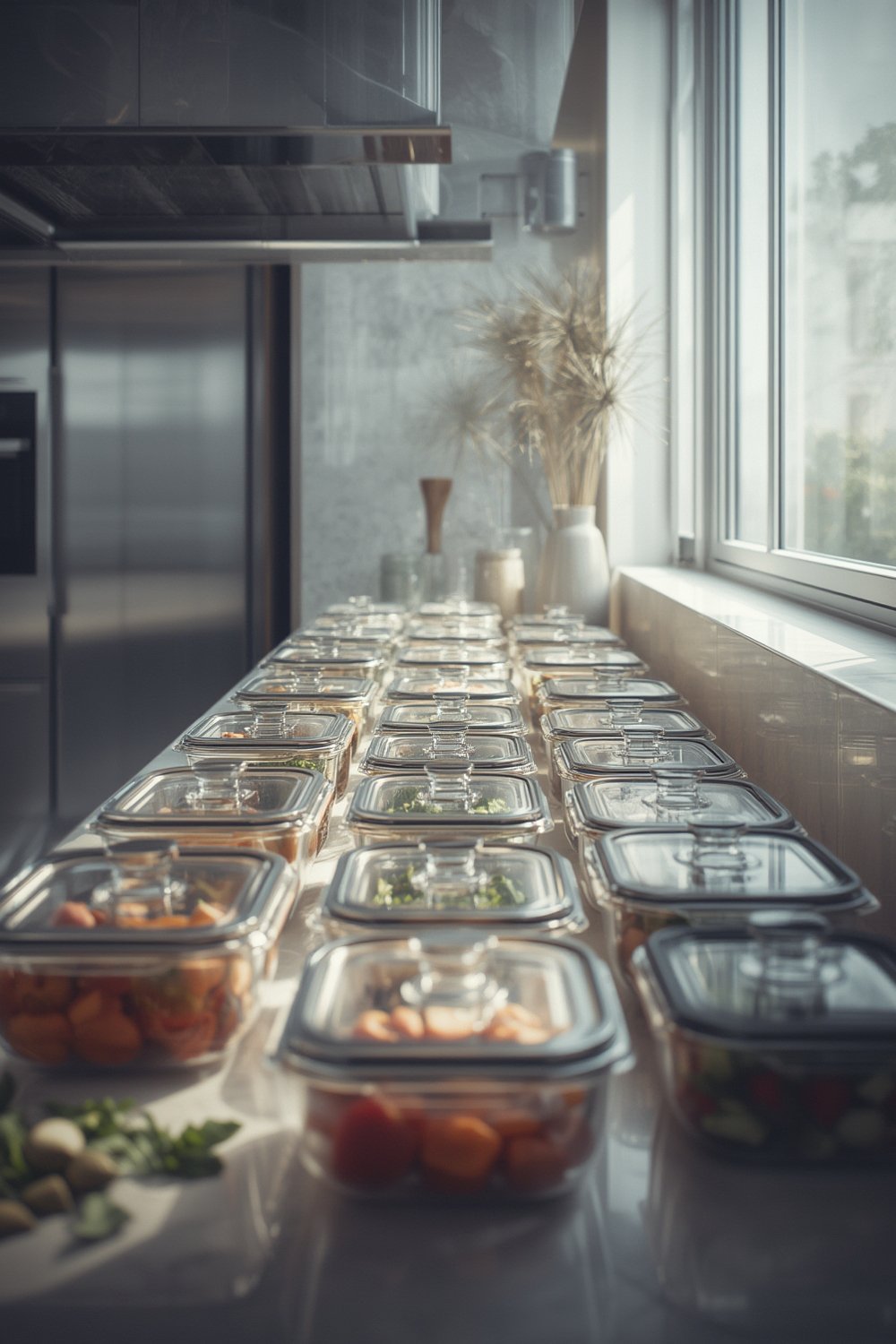
Typically, these containers come in clear, colored, or frosted variants with silicone, plastic, or glass lids, many of which promise airtight sealing. Glass remains inert over time, protecting food from moisture and gas infiltration even better than most plastics (industry data).
How to Choose and Use Glass Food Storage Containers With Lids
Picking the right set of glass food storage containers with lids—and using them properly—is crucial to getting the most value, freshness, and safety from your kitchen storage. Here’s how:
- Assess Your Storage Needs
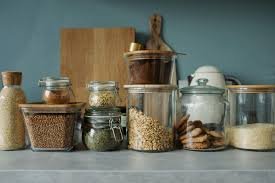
Think about what you routinely store (leftovers, meal prep portions, snacks). Glass jars are ideal for pantry goods, while rectangular containers fit better in fridges and freezers. - Check the Lid Type
Look for lids with airtight locking tabs and a silicone gasket. Test how snugly the lid fits and whether it snaps shut easily. - Evaluate Stackability and Space Usage
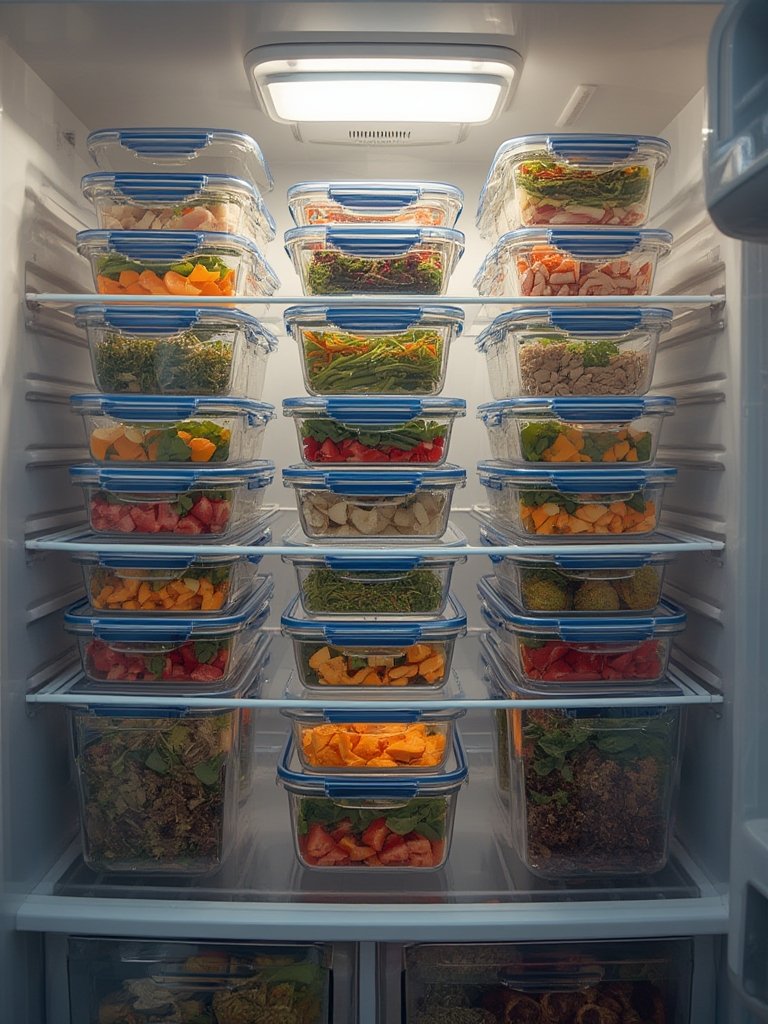
Choose sets that nest and stack cleanly to save space—this is especially handy if you have smart kitchen shelving. See our ultimate smart kitchen shelving ideas for maximizing space. - Inspect for Health and Safety
While glass itself is non-reactive, check that any plastic lid components are BPA-free. - Consider Microwave and Oven Use
Always confirm the manufacturer’s instructions: most borosilicate glass containers are oven safe, but not all lids are. - Sustainable Cleaning Routine
Use non-abrasive sponges and avoid sudden temperature changes to prevent cracking. Glass is dishwasher safe, but check the lid’s care instructions. - Reuse and Upcycle
Repurpose old glass containers as organizers for other rooms or for crafts—see our article on glass jars for kitchen storage for creative ideas.
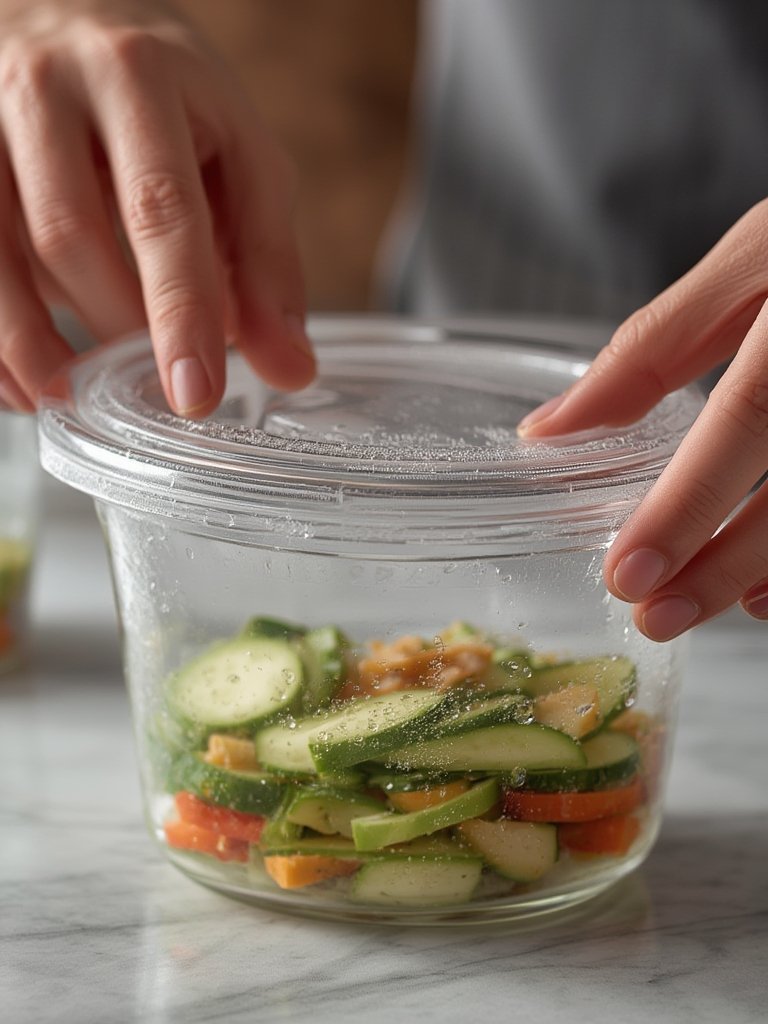
To maximize freshness, fill each glass container, press out excess air before sealing, and allow hot dishes to cool before covering to prevent condensation. For kitchen efficiency, pair glass food storage containers with a smart kitchen recycling bin and anti-fatigue kitchen mat for a cleaner, safer cooking environment.
Advanced Analysis & Common Pitfalls
Despite significant growth, some real-world negatives persist with glass food storage containers with lids compared to other options. Here’s what buyers and users need to realistically watch out for:
- Lid Leakage: Not all lids form a perfect seal, especially after dishwasher exposure or heavy use. Choose high-quality silicone gaskets.
- Durability Issues: Glass containers can crack, break, or chip if dropped or exposed to sharp temperature changes. Borosilicate tends to resist heat better than soda-lime glass.
- Limited Health/Safety Certifications: Unlike some plastics, “BPA-free” or FDA certification claims on glass containers are uncommon, so compare lid materials carefully.
- Weight and Bulk: Glass is heavier and often bulkier than plastic, which may be a drawback if you’re carrying meals to work or on the go.
- Price Uncertainty: There is little published data on fair market pricing or what justifies premium pricing, so buyers should beware of overpaying for brand names without clear added benefit.
- No Clear Data on Airtight Longevity: There’s a lack of hard information on how long container seals remain effective with regular use. Airtight claims are often marketing-driven rather than standardized.
| Feature | Glass Containers | Plastic Containers |
|---|---|---|
| Eco-Friendliness | Highly recyclable, reusable | Often downcycled; lower reusability |
| Health/Safety Certifications | Rarely specified for glass; lids may be BPA-free | BPA-free options widely available, look for FDA approval |
| Weight & Portability | Heavy, breakable | Lightweight, impact-resistant |
| Food Preservation | Non-reactive, resists odors and stains | May stain or absorb odors over time |
| Airtight Longevity | Unclear—depends on quality of lid/gasket | Varies, soft plastic may warp more quickly |
Environmental benefits of glass are supported by significant increases in glass container production (up to 1.57 million tons by 2025) and market share in regions demanding recyclable solutions, even as plastic container production remains much higher (market sizing report).
Conclusion
If you want food to stay fresh, reduce environmental impact, and avoid unwanted chemicals in your meals, using glass food storage containers with lids is a smart move for the long term. Just prioritize quality lids, monitor for chips or cracks, and be realistic about weight and the risk of breakage. As glass continues to outpace plastic in growth and eco-status, now is the time to upgrade your kitchen. Ready to make your meal storage safer and greener? Explore top glass food storage containers with lids and transform the way you organize your kitchen today.
Frequently Asked Questions
Are glass food storage containers with lids safe for the oven and microwave?
Most glass containers are microwave and oven safe, but always check for manufacturer guidelines. Lids are typically not oven safe and may need to be removed when reheating in high heat.
What should I do if my glass container lid leaks?
First, inspect the silicone gasket—sometimes it gets dislodged or damaged. Clean, re-seat, and close it firmly. If issues persist, consider replacing just the lid or upgrading to higher-quality containers.
How do glass food storage containers compare to plastic for eco-friendliness?
Glass is more sustainable: it’s infinitely recyclable and reusable. Plastic, while lighter and cheaper, often degrades over recycling cycles and is prone to leaching chemicals when heated.
Do glass containers stain or retain smells like plastic containers?
No—glass is non-porous. Unlike plastic, it doesn’t absorb stains or odors, making it ideal for tomato sauces, curries, or pungent foods.
Is there a way to organize my kitchen more efficiently using glass containers?
Absolutely—choose stackable sets and incorporate them with smart storage solutions. For inspiration, see our tips in the ultimate smart kitchen shelving guide.