

Table of Contents
Whether you’re tending a balcony garden, a backyard vegetable patch, or a large landscape, choosing the right garden tools makes every task faster, cleaner, and more enjoyable. The correct tools boost efficiency, reduce strain, and help you create healthier soil, thriving plants, and well-maintained outdoor spaces. This comprehensive guide covers the essential garden tools every gardener should own—hand tools, digging tools, pruning tools, and powered tools—along with buying advice, maintenance steps, and expert tips for building the perfect tool kit for your gardening style.
To ensure accuracy and research-backed tips, you can also explore authoritative gardening resources like Royal Horticultural Society (RHS) (https://www.rhs.org.uk), The Spruce Gardening Guides (https://www.thespruce.com/gardening-4127767), and University of Minnesota Extension (https://extension.umn.edu), which offer practical insights about soil care, tool use, and plant health.
Why Garden Tools Matter
Effective gardening starts with quality garden tools. Whether you’re digging, weeding, pruning, trimming, lifting, watering, or planting, the right tool minimizes effort and maximizes results. Poor-quality tools cause strain, frustrate beginners, and break quickly—while premium or well-balanced tools make gardening feel smoother, safer, and more enjoyable.
Expert organizations like Fine Gardening emphasize the importance of using ergonomic tools to reduce long-term injuries (https://www.finegardening.com). Investing in the right garden tools ultimately protects your hands, back, and plants.
1. Must-Have Hand Tools for Everyday Gardening
Everyday gardening starts with a core set of hand tools. These garden tools allow you to transplant seedlings, remove weeds, aerate soil, mix fertilizer, and maintain containers or raised beds.
Core Hand Tools and Their Uses
Below are the hand garden tools every gardener should own:
1. Trowel
A trowel is one of the most essential garden tools. It’s ideal for:
Digging small holes
Transplanting seedlings
Removing weeds
Scooping compost or potting mix
Look for a trowel with a comfortable grip and thick steel blade.
2. Hand Fork
This tool loosens compacted soil, breaks clumps, and aerates roots. A high-quality hand fork improves drainage and root health—key for thriving plants.
3. Transplanting Spade
Narrower than a trowel, this tool gently lifts seedlings from trays without damaging roots.
4. Hand Rake
Perfect for leveling soil, spreading compost, and removing debris in tight areas.
5. Weeder
This specialty tool removes deep-rooted weeds such as dandelions without disturbing surrounding plants.
6. Cultivator
Used to break soil crust, uproot small weeds, and improve water penetration.
These hand garden tools form the foundation of any well-equipped gardening setup.
How to Choose High-Quality Hand Tools
When buying hand garden tools, consider:
1. Handle Material
Wood (ash or beech): Durable, flexible, comfortable
Rubber/grip composite: Best for wet conditions
Metal handle: Strong but may feel cold or slippery
2. Blade Material
Stainless steel: Rust-resistant
Carbon steel: Extremely strong but needs oiling
3. Ergonomics
Look for cushioned grips, curved shapes, and lightweight materials—ideal for long gardening sessions or gardeners with arthritis.
To explore ergonomics online, visit ErgoPlus: https://ergo-plus.com.
Recommended Hand Tools (Budget → Premium)
Budget Options
Fiskars Ergo Trowel/Fork Set ($15–18)
Affordable, lightweight, great for beginnersVremi 9-Piece Tool Set ($26–30)
Good for starting gardenersKinsman Dandelion Weeder ($12–15)
Simple and effective
Mid-Range / Premium
Radius Garden Hand Tools ($20–30 each)
Ergonomic, easy-grip handlesSneeboer Hand Tools ($40–55)
Forged steel, lifetime qualityBurgon & Ball RHS Tools ($35–50)
Endorsed by the Royal Horticultural Society
Learn more about high-end gardening brands from RHS: https://www.rhs.org.uk/shopping/tools.
Maintenance Tips for Hand Tools
To keep your garden tools long-lasting:
Wash off dirt immediately
Dry tools fully after rinsing
Oil metal parts to prevent rust
Sharpen blades monthly
Oil wooden handles every season
For sharpening guidance, check:
Sharpening Basics by Gardener’s Supply https://www.gardeners.com/how-to/sharpening-tools
2. Digging, Moving & Soil Tools
When gardening expands beyond small pots, you’ll need larger garden tools designed for moving soil, prepping beds, and transporting heavy materials.
Essential Digging & Moving Tools
1. Spade
Flat-edged, great for:
Edging garden beds
Cutting sod
Digging straight trenches
2. Digging Fork
One of the most powerful garden tools for breaking up clay, rocky soil, and compacted beds.
3. Shovel
Best for scooping, lifting, and moving soil, sand, mulch, or compost. Pointed tips work best for breaking tough soil.
4. Wheelbarrow / Garden Cart
Indispensable for transporting loads across your garden.
Best Soil Tool Choices
Choose tools based on your soil type:
Clay: Steel-bladed tools
Sandy soil: Lightweight aluminum
Rocky soil: Forged steel forks
Wheelbarrow vs. Garden Cart
Wheelbarrow
More maneuverable
Fits narrow paths
Available in steel or poly
Garden Cart
More stable
Holds heavier loads
Better for flat yards
For comparisons, see Home Depot’s Buying Guide:
https://www.homedepot.com/c/ab/wheelbarrows-carts/9ba683603be9fa5395fab901a6faa3b
Recommended Digging Tools
Budget
Fiskars D-Handle Shovel (~$30)
True Temper Poly Wheelbarrow (~$70)
Mid-Range
Spear & Jackson Digging Fork (~$60)
Gorilla Carts Dump Cart (~$120)
Premium
Bully Tools Triple Wall Spade (~$60)
Jackson Contractor Wheelbarrow (~$200)
3. Pruning & Plant Care Tools
Healthy plants require proper trimming. The following garden tools help shape, clean, and maintain your shrubs, hedges, trees, and flowers.
Core Pruning Tools
1. Bypass Pruners
Clean cuts on live stems. Best for roses, perennials, herbs.
2. Anvil Pruners
Use on dead or woody stems only.
3. Loppers
Long-handled, perfect for thick branches.
4. Pruning Saw
Needed for branches over 2 inches.
5. Hedge Shears
Creates clean line cuts for hedges.
To explore pruning techniques, visit University of Minnesota Extension:
https://extension.umn.edu/planting-and-growing-guides/pruning-trees-and-shrubs
Best Pruning Tools
Felco F-2 ($60–70): Best durability
Corona ClassicCUT ($30–40): Affordable
ARS Pruners ($50–60): Ultra sharp
Fiskars Softgrip Loppers ($30–40)
Maintenance for Pruning Tools
Clean sap from blades
Disinfect between plants
Sharpen monthly
Oil pivot joints
Store dry
Use 70% isopropyl alcohol for disinfecting (recommended by universities).
4. Powered Tools and When to Use Them
For bigger gardens—or for gardeners with limited strength—powered garden tools save time and reduce effort.
Common Powered Tools
Lawn mowers (corded, gas, cordless)
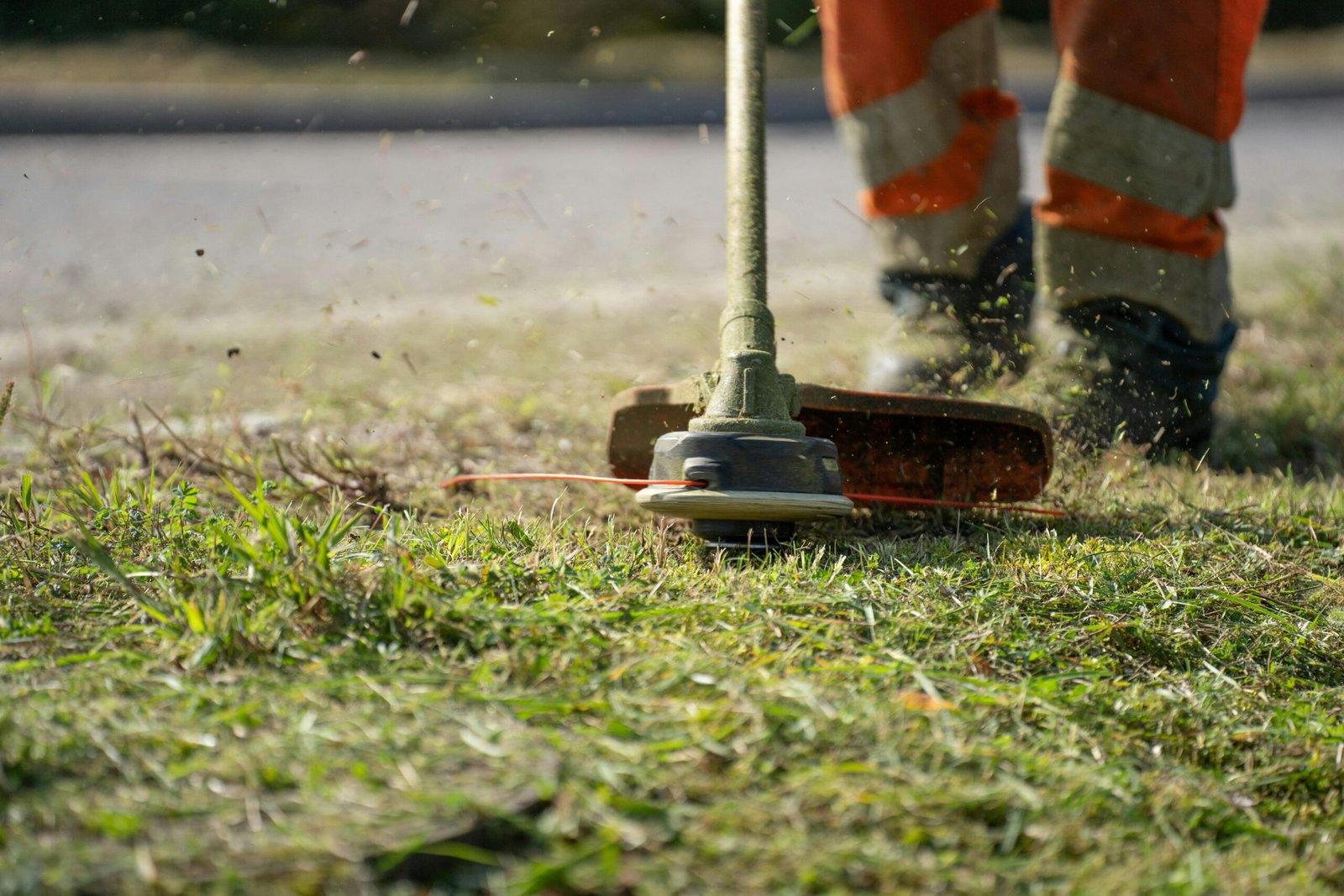
String trimmers
Hedge trimmers
Leaf blowers
Mini tillers
Chainsaws
Battery-powered garden tools have become extremely efficient and eco-friendly. Explore comparisons on Consumer Reports:
https://www.consumerreports.org
Choosing Battery Power Levels
20V–40V: Light tasks
40V–80V: Medium/large yard
Interchangeable battery systems: Best value
Safety Recommendations
Wear goggles, gloves, ear protection
Never store batteries in heat
Disconnect power before maintenance
5. Buying, Maintaining & Storing Your Tools
Building a Tool Kit Based on Garden Size
Balcony Garden:
Trowel
Fork
Small pruners
Small Backyard:
Add spade
Wheelbarrow
Loppers
Large Yard or Garden:
Full-size diggers
Powered tools
Storage shed
What to Look for When Buying Garden Tools
Warranty (1 year minimum)
Forged steel blades
Hardwood or fiberglass handles
Replaceable parts
Ergonomic grips
Read product reviews on:
Gardeners’ World https://www.gardenersworld.com/reviews
Maintenance Schedule
After Each Use
Clean soil
Dry fully
Monthly
Sharpen tools
Tighten bolts
Seasonally
Disinfect
Oil wood and steel
Store tools indoors
Storage Solutions
Wall hooks
Pegboards
Sand/oil buckets
Weatherproof sheds
Eco-Friendly Tool Care
Choose FSC-certified wood
Use biodegradable oils
Recycle old tools at scrap metal centers
Conclusion
The right garden tools transform gardening from difficult to enjoyable. By selecting high-quality tools, maintaining them properly, and choosing items that match your soil and garden size, you’ll garden more efficiently and grow healthier plants. Whether you prefer classic hand tools, specialized digging tools, or modern electric-powered gear, the key is to build a toolkit that fits your needs, budget, and comfort.