

Table of Contents
Freeze dried dog treats are changing the way dog owners reward their pets. These treats are marketed as healthier and more nutrient-rich than traditional baked or dehydrated options, but is the hype justified? This guide breaks down what makes freeze dried dog treats unique, what to watch for, and how to make the smartest choice for your dog.
Key Takeaways
- Freeze drying preserves more nutrients and flavor compared to traditional high-heat methods.
- Single-ingredient freeze dried dog treats often avoid unnecessary additives and potential allergens.
- Expect premium pricing due to the complex process and quality ingredients, but verify value and suitability for your pet.
- What Are Freeze Dried Dog Treats and Why Choose Them?
- How to Select and Use Freeze Dried Dog Treats: Step-by-Step Guide
- Advanced Analysis: Pitfalls, Problems, and Essential Comparison
- Conclusion: Are Freeze Dried Dog Treats Worth It?
- FAQ
What Are Freeze Dried Dog Treats and Why Choose Them?
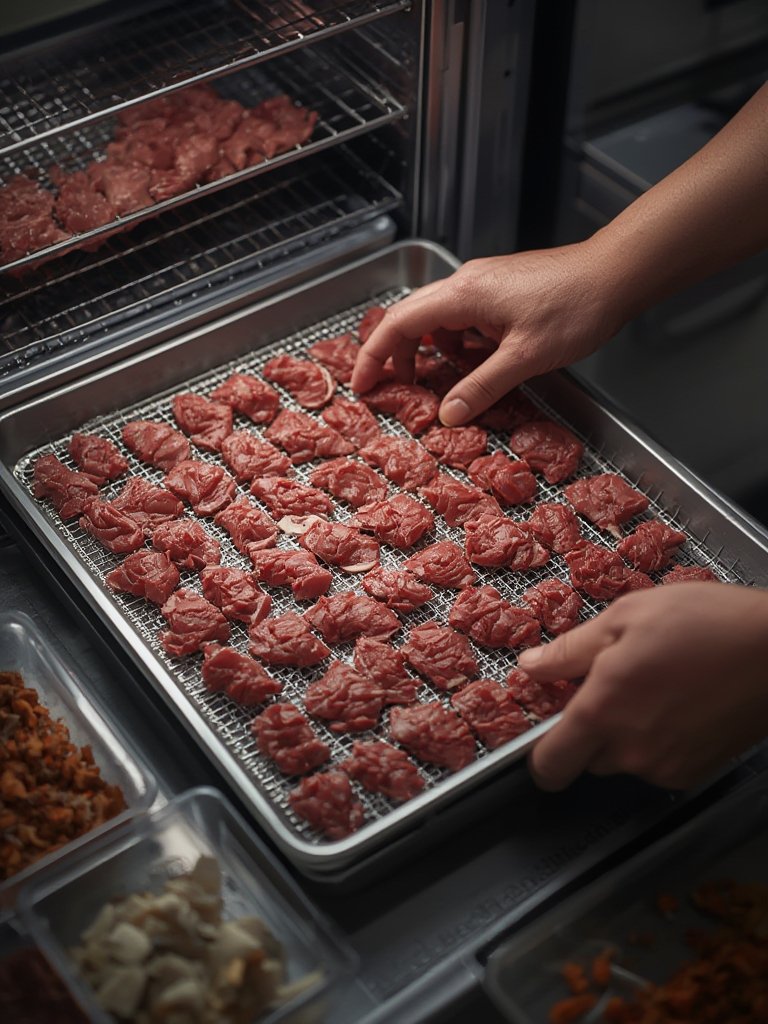
Freeze dried dog treats are made by freezing raw ingredients, removing the moisture in a vacuum, and gently reheating to transform them into a lightweight, shelf-stable product. This process preserves most nutrients, taste, and texture far better than baked or air dried treats. Most freeze dried treats—especially single-ingredient products—skip preservatives, flavourings, and fillers, making them attractive to owners seeking clean labels.
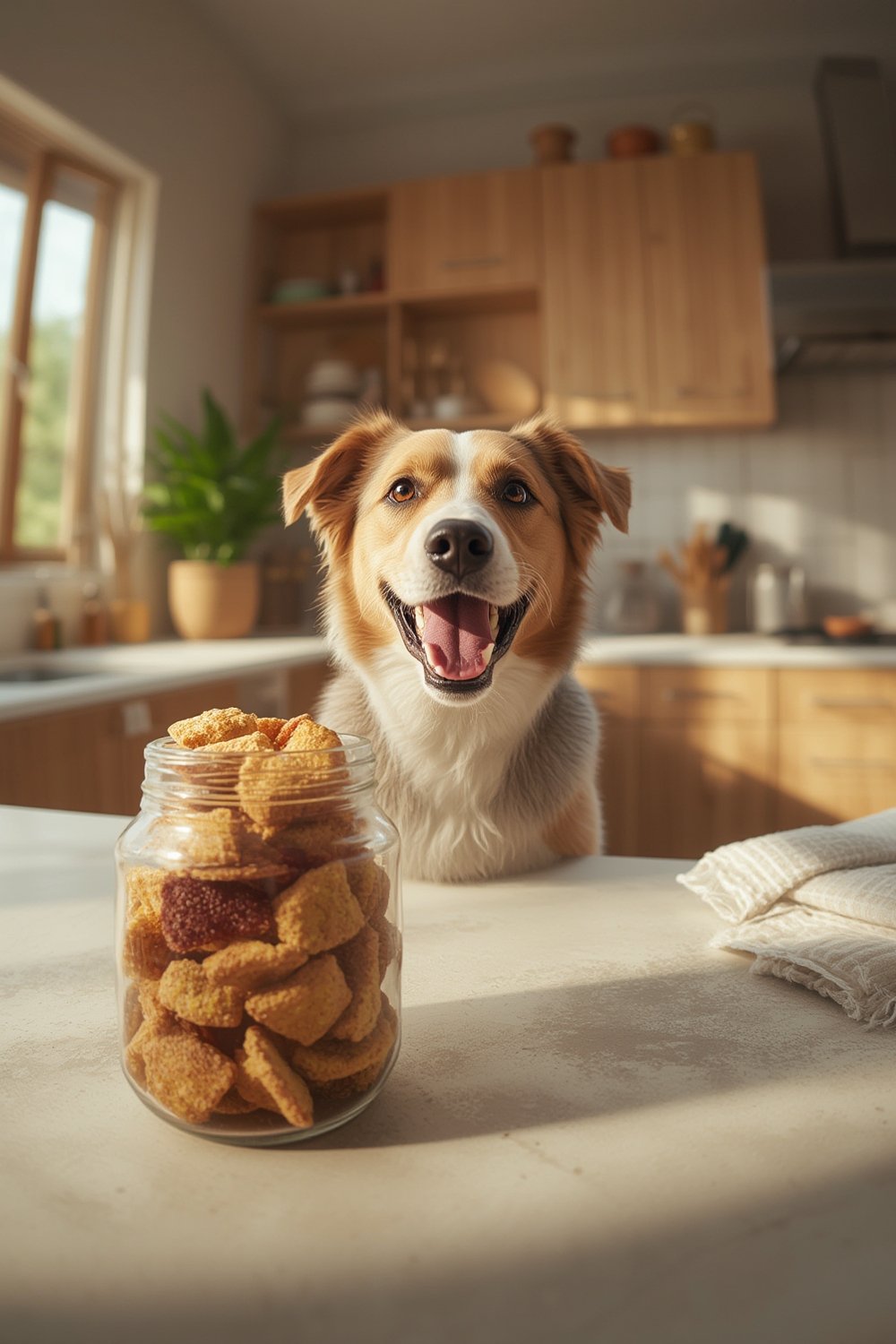
Why does this matter? Conventional baked treats often lose important vitamins and proteins due to high-heat processing. According to industry sources, freeze drying is gentler and retains more of the nutritional profile found in the original fresh ingredients. Freeze dried dog treats commonly feature premium cuts of salmon, poultry, or beef liver with minimal processing steps, which is a selling point for many pet owners.
Brands like Stella & Chewy’s, Primal, Stewart Pro-Treats, and Orijen are some of the leaders offering single-ingredient freeze dried options, as highlighted in the 2024 comparison guide. Many dog owners gravitate toward these options to limit their pet’s exposure to artificial additives and unknown fillers found in multi-ingredient treats.
To explore how you can incorporate convenient and stylish solutions into your dog’s feeding station or kitchen, check out these smart kitchen recycling bins—ideal for managing packaging waste from treat bags and pet food containers.
How to Select and Use Freeze Dried Dog Treats: Step-by-Step Guide
Choosing freeze dried dog treats sounds straightforward, but there are important details to consider for safety and value. Here’s a step-by-step approach:
- Check the ingredient list: Choose single-ingredient treats when possible. Look for items labeled “100% beef liver” or “100% salmon” without additional fillers or artificial flavors. This reduces allergy risk and simplifies digestibility.
- Review sourcing and brand reputation: Confirm ethical sourcing and transparency. Trusted brands like Orijen or Stewart Pro-Treats disclose origin and quality standards. Look for certificates or third-party testing when available.
- Evaluate the treat size and texture: Match treat format (nuggets, bite-sized pieces) to your dog’s breed and chewing ability. Freeze dried treats can be very brittle—ideal for training or quick rewards but potentially messy if crumbled.
- Start small and monitor your dog’s reaction: When introducing any new treat, offer a little and observe for digestive upset. Even high-quality products can elicit sensitivities in some dogs.
- Consider price vs. value: Expect a higher price due to processing and premium ingredients. Offset this by breaking large treats into smaller pieces for training or rationed rewards. Remember: More expensive doesn’t always mean better for every dog.
- Store treats properly: Keep bags sealed tight—preferably in a dry place. Freeze dried treats have long shelf lives but can degrade if exposed to air and moisture.
If you’re planning to revamp your dog’s feeding zone, consider pairing these treats with a cozy space using advice from the complete guide to dog beds and covers.
And for owners interested in walking routines that incorporate healthy rewards, see walking well with your for leash handling and positive reinforcement tips using freeze dried treats for training.
Advanced Analysis: Pitfalls, Problems, and Essential Comparison
Freeze dried dog treats are often seen as the healthiest choice, but there are pitfalls and realities you must weigh before making them your go-to option.
Common Pitfalls to Avoid
- Overreliance on marketing claims: While brands promote freeze dried treats as more nutritious, there is a lack of peer-reviewed comparison studies directly measuring dog health outcomes [industry report].
- Cost vs. benefit: The per-ounce price is often double or triple that of baked treats due to labor-intensive freeze drying [market analysis]. For larger dogs or frequent reward systems, costs add up quickly.
- Potential for unaddressed allergens: Single-ingredient treats generally minimize allergy risks. However, without rigorous third-party purity testing, contamination with traces of other proteins, heavy metals, or pathogens is possible.
- Texture and palatability: While most dogs love the strong aroma and flavor, some picky eaters might not care for a certain protein, or seniors might struggle to chew dry, brittle pieces.
- Weaknesses in multi-ingredient formulas: These can include plant-based binders or color additives—not always clearly disclosed—and typically add little nutritional value.
Comparison Table: Freeze Dried vs. Baked vs. Dehydrated Dog Treats
| Feature | Freeze Dried | Baked | Dehydrated (Air-dried) |
|---|---|---|---|
| Nutrient Retention | Very High | Moderate to Low (heat loss) | Moderate |
| Additives/Preservatives | Rare (primarily single-ingredient) | Common | Possible |
| Shelf Life | Long | Average | Long |
| Palatability | High for meat-based | Varies | Varies |
| Average Price (per oz) | $$$ (High) | $ (Lower) | $$ (Moderate) |
| Convenience | Lightweight, portable | Standard | Lightweight |
Beyond these points, dog owner communities have raised questions that are rarely addressed in depth by competitors:
- What specific contaminants or allergens, if any, are present?
- How do different dog breeds or ages respond in terms of digestion and energy?
- What portion of the market truly offers single-ingredient purity, and how is this verified?
For those keen on providing the absolute best pet care—whether through diet, grooming, or comfort—dive into best dog food cat food, and pet food near me for more insights across categories.
If you’re organizing your pet’s gear, wall shelves floating stylish can help keep treat bags and accessories neat and accessible alongside your other home needs.

Conclusion: Are Freeze Dried Dog Treats Worth It?
Freeze dried dog treats offer a clear advantage in nutrient retention, shelf life, and ingredient transparency—especially for single-ingredient options. However, buyers should be aware of the premium cost and lack of peer-reviewed validation showing measurable health improvements. Start slowly, watch for sensitivities, and use freeze dried dog treats as a high-value reward, not a staple food.
Ready to see how freeze dried dog treats work for your pet? Check out reputable brands, invest in quality, and watch your dog’s response closely. For more tips on creating a happy, organized home for your best friend, browse our full complete guide library.
FAQ
Are freeze dried dog treats raw or cooked?
Most freeze dried dog treats use raw meat or fish as the starting point. The freeze drying process does not cook the food but removes moisture through sublimation, preserving nutrients and flavor.
Do freeze dried dog treats need refrigeration?
No, these treats are shelf stable due to their low moisture content. Just keep them in a dry, cool place, and reseal the bag after each use.
Are freeze dried treats safe for dogs with allergies?
Single-ingredient freeze dried treats (such as “100% beef liver”) can be a safer option for sensitive dogs, but always check labels for cross-contamination warnings or contact the manufacturer if your dog has severe allergies.
Can I use freeze dried treats for training?
Absolutely. These treats are highly palatable and easy to break into small pieces for training rewards, making them popular during positive reinforcement sessions.
What if my dog doesn’t like freeze dried treats?
Every dog is different. If your dog turns up their nose, try a different protein source, or briefly rehydrate the treat for softer texture and aroma. Not all brands or formulas are equally appealing to all dogs.