

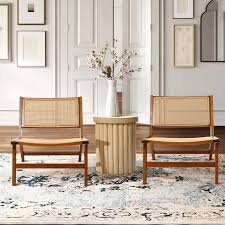
Table of Contents
Caned furniture has surged in popularity in recent years, reshaping both home and commercial interiors worldwide. As eco-trends and artisanal designs influence this thriving market, understanding caned furniture’s real-world pros, pitfalls, and actionable shopping tips is essential—especially if you want stylish, sustainable, and practical home solutions without regrets.
Key Takeaways
- Caned furniture is experiencing strong, steady growth in 2024 due to eco-conscious demand and stylish versatility.
- Practical knowledge is key—real user issues, maintenance, and unique fit for small or humid spaces are rarely covered but crucial for buyers.
- Sustainability is a core selling point, but clear details on certifications and ethical sourcing are often missing in today’s market.
- What Is Caned Furniture and Why Choose It?
- Step-by-Step Buying & Care Guide
- Advanced Analysis & Common Pitfalls
- Conclusion
- FAQ: Caned Furniture
What Is Caned Furniture and Why Choose It?
Caned furniture refers to seating, cabinetry, and decorative pieces that incorporate woven cane strips (derived from rattan palm stems) as a prominent surface. Celebrated for its lightweight strength, natural look, and breathable qualities, caned furniture blends vintage charm with modern minimalism. In 2024, demand has soared worldwide—valued at USD 1,772.8 million globally and on pace to double by 2035, propelled by eco-design movements [source].
Homeowners, interior designers, and commercial venues favor caned cabinets, shelving, chairs, and sideboards for their blend of sustainability and visual warmth. Not only is cane a renewable material, its detailed artisanal weaving makes every piece stand out. Plus, its open mesh design naturally ventilates enclosed storage or seats—making it especially suitable for humid climates or compact living spaces.
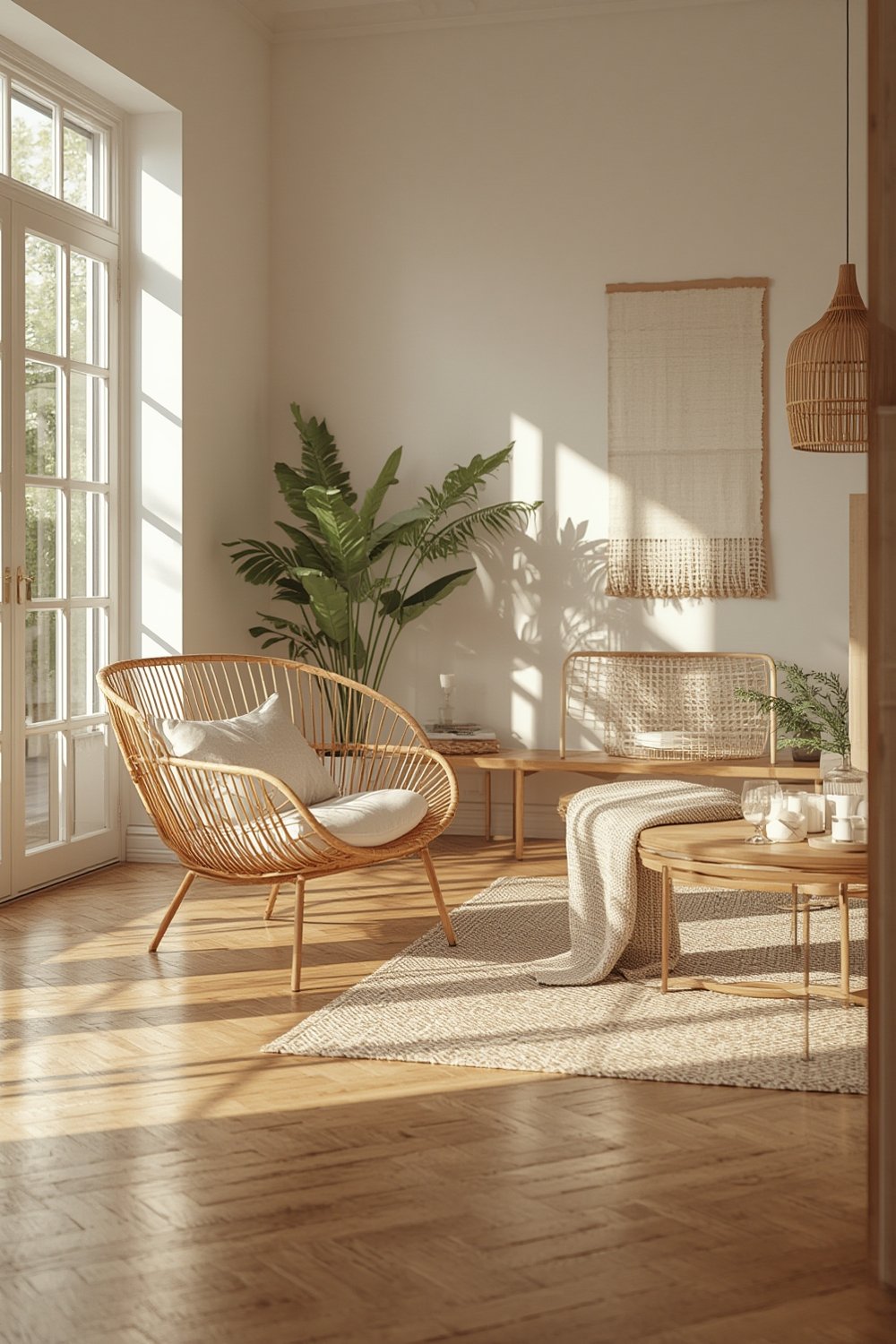
Caned furniture’s revival fits today’s demand for both handcrafted quality and climate-friendly materials. While dominant in Asian markets (where raw materials and craftsmanship are abundant), North America and Europe are fast catching up as consumers seek out products that minimize synthetic content. For more ideas on integrating caned pieces into modern homes, check out our hands-on home furniture guide.
Step-by-Step Buying & Care Guide
- Prioritize Authentic Materials:
Always check if the piece uses real cane strips—avoid lookalikes made from synthetic or coated fibers if natural breathability and sustainability matter to you. Certified sources are rare, but brands transparent about their supply chain or artisanal partnerships are a plus.
- Assess Weaving and Joinery Quality:
Look for even, tight weaving—the classic “octagonal” (six-over-six) hand-weave is strongest and allows airflow. Machine-woven sheets are common and affordable, but handwoven details last longer under daily use. Check the frames for solid wood frame and smooth, reinforced edges, especially on cabinets and chairs.
- Choose the Right Furniture for Your Space:
Picking the proper size or configuration is vital. For small apartments, select slender-backed caned chairs, petite cabinets, or floating caned wall shelves. For humid regions, prefer open-back seats or cabinets with ample mesh for ventilation. Our recent guide to wall shelves floating stylish offers small space inspiration.
- Learn Basic Maintenance:
Light vacuuming with a brush attachment keeps cane clear of dust. For deeper cleaning, use a damp (never wet) cloth and avoid soaking the cane—too much water leads to sagging. Sunlight and dry air can make cane brittle, while extreme humidity can invite mold. Rotate pieces and keep them away from HVAC vents or direct sun. Compare with other natural furnishings in our wood care guide.
- Support Ethical and Sustainable Brands:
Seek brands participating in fair-trade initiatives or supporting artisan cooperatives, especially when shopping online. There is scarce detail on eco-certifications like FSC for cane, so prioritize brands with transparent supply chains. Asian brands often leverage traditional ‘Make in India’ efforts, while select European labels benefit from circular economy policies [source].
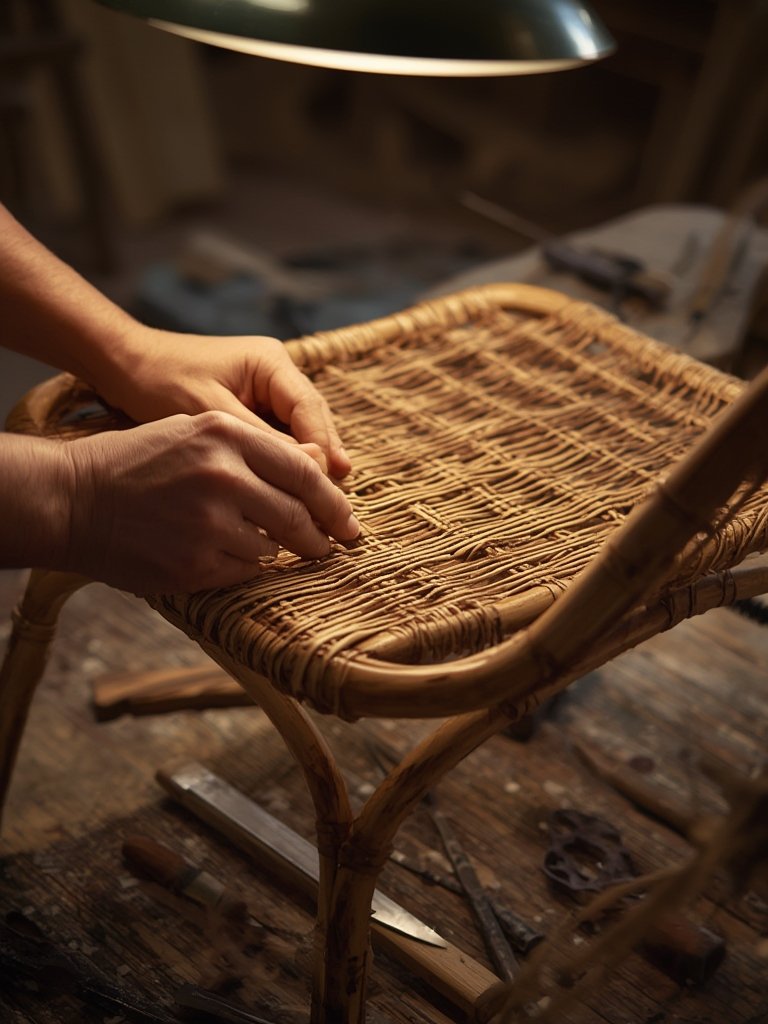
When shopping online, request close-up photos of the weaving and joints. In-store, press gently on the webbing and listen for creaking or detect give; either can signal poor assembly. Consider pairing with anti-fatigue mats for added home comfort, especially in kitchen or dining zones.
Advanced Analysis & Common Pitfalls
Despite its appeal, caned furniture’s longevity and comfort hinge on construction technique and maintenance diligence. Pitfalls range from common user mistakes to oversights by manufacturers, often aggravated by missing details in product listings.
- No Universal Durability Standard: There is little transparency on construction standards, leading to variable quality. Handwoven panels tend to last longer than machine-pressed sheets, especially for high-traffic seats.
- Unknown Cleaning Complexity: Buyers frequently overlook that cane can crack if over-dried or gather mold if over-damp; rattan and wicker have similar quirks, but no direct comparative cleaning data is published.
- Unknown Price Ranges: Shoppers may undervalue caned pieces, seeking “bargains,” but prices (online vs offline) are not well documented; low-cost products may use faux cane or flimsy frames.
- Insufficient Eco-Certifications: Brands rarely advertise third-party verification (like FSC), meaning “eco-friendly” may simply indicate natural raw material, not low-impact production [source].
- Untapped Use Cases: Few top articles address how well cane performs in humid climates, compact urban homes, or hospitality settings where airflow and space are critical. Yet, cane is innately suited to these needs.
| Feature | Caned Furniture | Rattan Furniture | Wicker Furniture |
|---|---|---|---|
| Material Origin | Cane strips (from rattan stem) | Whole rattan vine | Various—rattan, bamboo, reeds |
| Breathability | Excellent (mesh design) | Good | Varies (thick weaves reduce airflow) |
| Suitable for Humid Areas | Yes, with ventilation | Can mold if left damp | Varies—depends on weave density |
| Typical Maintenance | Vacuum and wipe, avoid extreme moisture | Wipe, occasional oiling needed | Depends on base material |
| Known Issues | Sagging, brittleness, weak joins if poorly made | Fraying of vines, heaviness | Can trap dust, sometimes fragile |
For more tactical space-saving tips, explore our guide to ultimate smart wall shelves and smart kitchen shelving ideas. Their modularity pairs well with the lightweight look of cane.
Conclusion
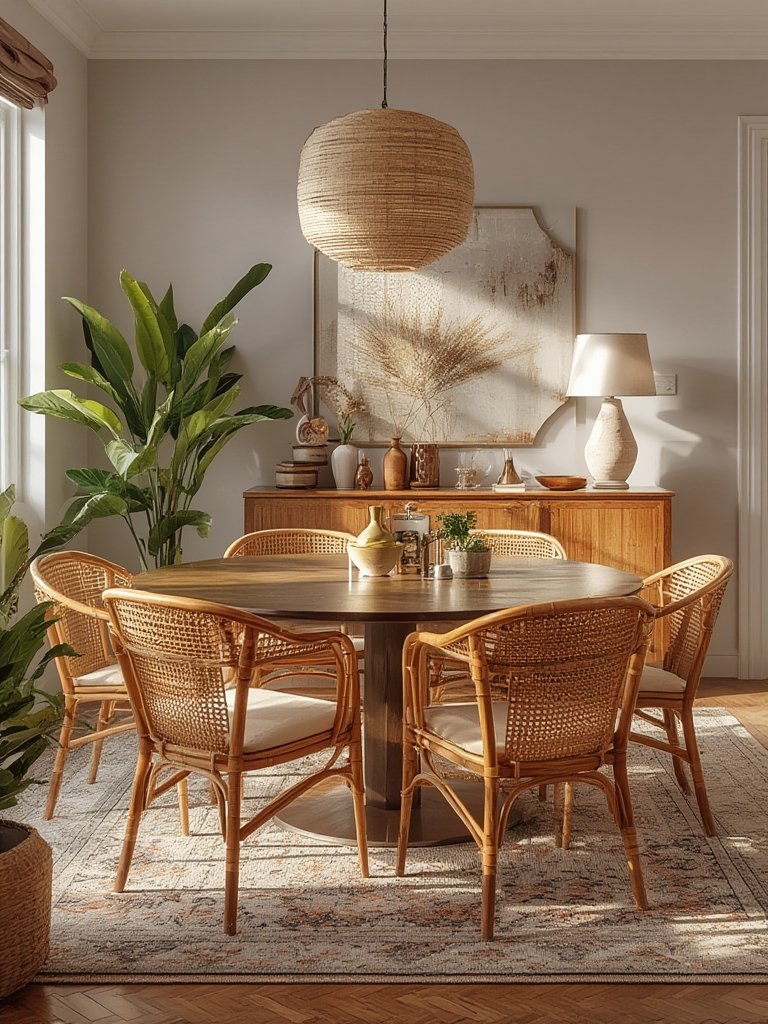
Caned furniture delivers a distinctive blend of sustainability, elegant design, and functionality for modern interiors across the globe. While the market’s value is clearly on the rise—reflecting greater eco-awareness and interior trends—buyers need to dig deeper into build quality, sourcing, and specific use cases before committing. As a result, you should always review how caned furniture fits your climate, layout, and care routine before making a purchase.
Ready to breathe life into your space with a piece that’s stylish, natural, and made to last? Start by assessing your real needs and seek out brands committed to quality and honest supply chains.
FAQ: Caned Furniture
Is caned furniture suitable for humid climates?
Yes, caned furniture is naturally breathable, making it a smart choice for humid conditions. Always keep it in well-ventilated areas to prevent mold, and avoid direct contact with standing moisture.
How do I clean and maintain caned furniture?
Regularly vacuum cane webbing using a brush attachment to prevent dust build-up. Wipe gently with a damp cloth—never wet. Keep cane away from intense heat and direct sunlight to prevent brittleness or sagging.
Is all caned furniture eco-friendly?
Caned furniture uses cane, a renewable material, but not every brand follows ethical or low-impact sourcing. Look for brands supporting artisan communities or those who share their supply chain details—but don’t assume “natural” always equals sustainable.
Can I use caned cabinets or shelves in small apartments?
Absolutely. Caned furniture’s lightweight look and air-flowing mesh are perfect for visually opening up tight spaces. Make sure your chosen piece is proportionate, and consider wall-mounted options for extra efficiency.
Why is there little price or eco-certification info for caned furniture online?
The caned furniture market is still dominated by small-scale artisans and manufacturers in Asia. Transparency on price ranges and certifications is lacking, but this is changing as demand in Europe and North America grows.