

Table of Contents
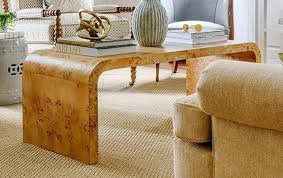
Burl wood furniture is dominating design conversations and spaces in 2024 as homeowners and designers look for unique, organic surfaces with standout personality. Whether you’re considering a burl wood coffee table or a statement sideboard, understanding the nuances of this material helps you make better choices for quality, style, and value.
Key Takeaways
- Burl wood furniture represents a high-impact home trend in 2024 due to its rare grain patterns, warm aesthetics, and versatility.
- Most pieces use burl wood veneer over a substrate—solid burl wood coffee tables are extremely rare, expensive, and impractical for most buyers.
- Knowing how to judge veneer quality, construction, and authenticity is critical to avoid overpaying or ending up with a disappointing purchase.
- Burl Wood Furniture: What It Is and Why It’s a Big Deal
- How to Choose and Buy Burl Wood Furniture: Step-by-Step Guide
- Advanced Analysis & Common Pitfalls
- Conclusion
- FAQs
Burl Wood Furniture: What It Is and Why It’s a Big Deal
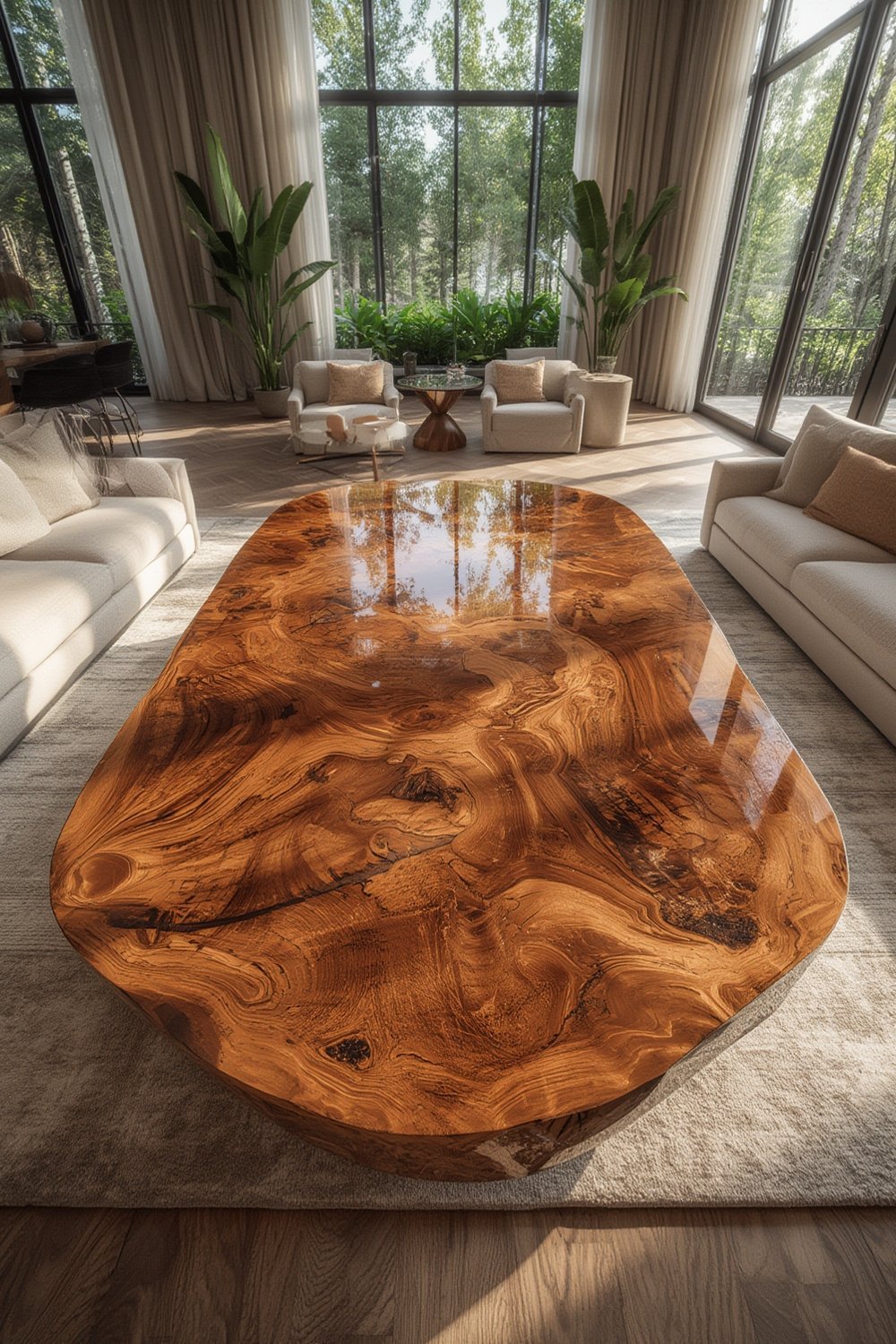
Burl wood forms when a tree undergoes stress, disease, or injury, creating a swirling, eye-catching grain that stands out against regular wood. Modern designers embrace burl wood furniture for its distinct character and its ability to bridge different aesthetics—from art deco to midcentury to contemporary trends. Because burls are rare and growing demand has exploded, most pieces (especially larger ones like coffee tables) use a thin layer of burl wood veneer applied over stable wood. Recent years, including 2024, have seen this look return in force as people crave organic, statement-making tables, cabinets, and decor. You’ll recognize burl wood’s “eyes,” waves, and rich contrasts at every major retailer and in design magazines everywhere. Source, Source.
How to Choose and Buy Burl Wood Furniture: Step-by-Step Guide
Follow these steps for a smart burl wood furniture purchase—whether you’re after a coffee table, credenza, lamp base, or floating wall shelf:
- Pinpoint your use and style goals. Decide if you want a subtle accent (like a wall shelf or side table) or a conversation piece such as a large coffee table. Burl wood works well for both neutral and dramatic interiors, especially when paired with wall shelves floating stylish designs.
- Set your budget and expectations. Most burl wood tables and cabinets on the market are veneer-based, with pricing from $200 to over $3,000 depending on size and veneer quality. Solid burl is nearly non-existent for coffee tables due to burls’ natural size limitations.
- Assess veneer quality, not just ‘burl wood’ labeling. Inspect product descriptions and, if possible, close-up images:
- Premium: Continuous, bookmatched veneer (one burl covering large area with mirror-image effect)
- Mid-tier: Large panels with minimal seams or patchwork
- Budget: Patchwork effect, visible gaps, or inconsistent pattern
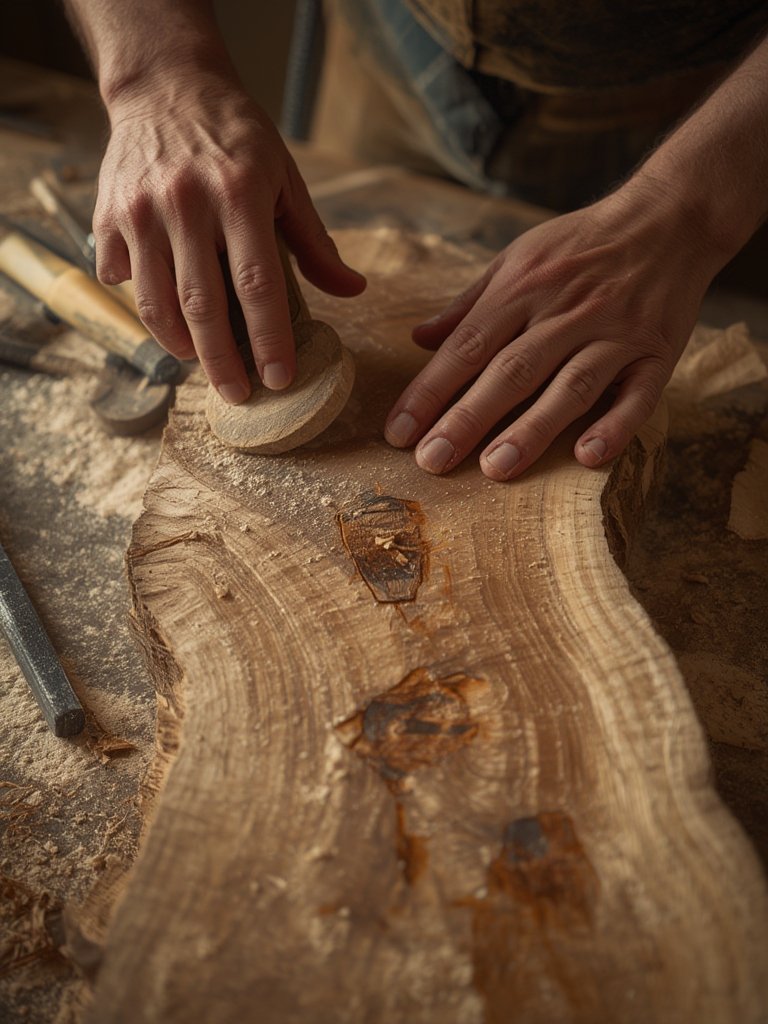
- Know your substrate. Most burl veneer is applied over engineered wood like MDF. That’s not bad—in fact, it adds strength—but seek solid framing and edges if long-term durability is important.
- Prioritize reputable sellers. Look for reviews, company reputation, and real photos if shopping online. Ask questions about grain variation, finishing process, and care tips.
- Consider eco-friendliness and sourcing. Reputable brands often mention that burls are sustainably harvested from existing (often damaged) trees—a plus for the environmentally conscious.
Pairing your burl wood furniture with smart accessories—such as smart kitchen recycling bins or a rustic dresser for bedroom—can elevate a space while supporting both form and function.
Advanced Analysis & Common Pitfalls
What Buyers Get Wrong About Burl Wood Furniture
Burl wood coffee tables and accent furniture aren’t all created equal. Here are the most common mistakes or pitfalls to avoid:
- Assuming ‘burl wood’ always means solid wood: Nearly all new burl furniture is veneer over a strong core. Don’t “penalize” a quality piece for using veneer—it’s normal and often more practical, but don’t overpay if it’s patchwork quality.
- Not understanding price tiers: Buying on looks alone leads some to overpay for budget-tier veneer. If it’s under $500 for a large table, expect patchwork. High-end pieces ($1,500+) deliver seamless patterns and higher craftsmanship.
- Lack of market stats: Designers frequently hype the trend, but few articles provide real numbers. Peer reviews and designer case studies often fill the gap. For sales/market validation, see coverage at High Point Market or major retailers like Anthropologie, West Elm, and Wayfair.
- No real buyer review data: Pain points, complaints, or specific negative reviews are rarely reported. This makes in-person inspection or direct sourcing from makers especially important for buyers wanting assurance.
- No concrete authenticity tests: There are no reliable at-home “grain tests” for distinguishing a true burl veneer from a high-end printed lookalike—study close-ups, ask for documentation, and trust established brands.
| Feature | Solid Burl Wood | Burl Wood Veneer |
|---|---|---|
| Cost | Rarely available, very high (if found) | $200–$3,000+ depending on quality |
| Durability | Heaviest, can warp/crack | Sturdy, stable core with proper care |
| Grain Pattern | Natural, one-of-a-kind, often small panels | Can be large/patched; quality varies |
| Weight | Very heavy and unwieldy | Manageable, safe for floors |
| Eco/Source | Less sustainable, more waste | Sustainable, uses damaged trees |
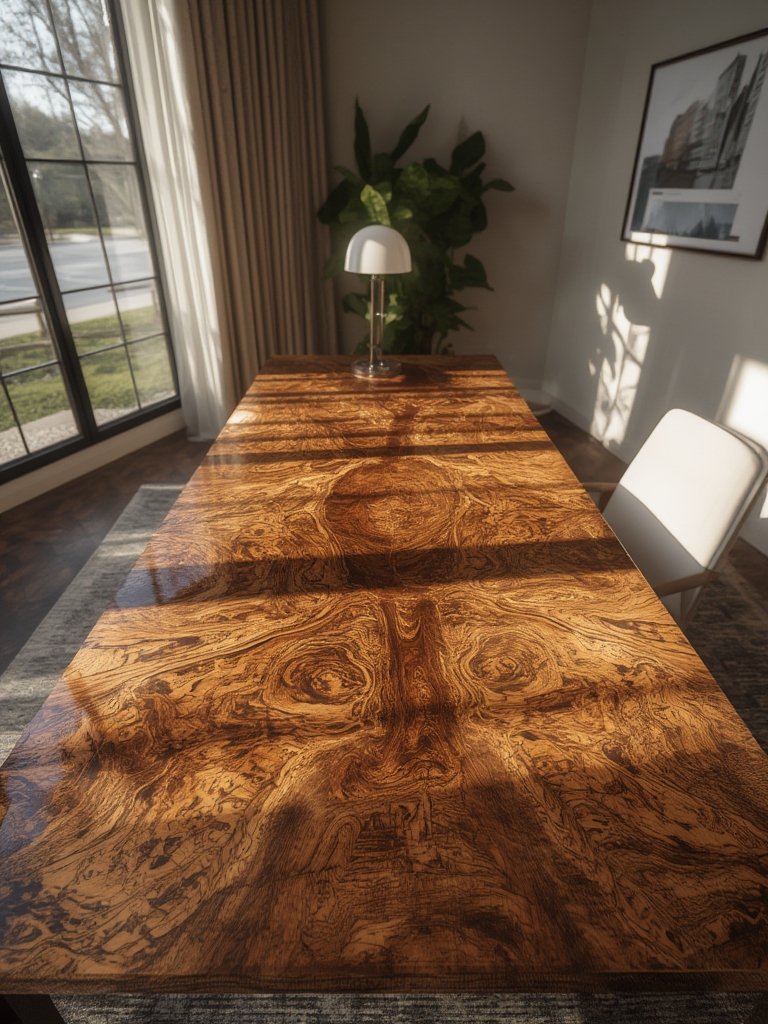
If you want burl wood furniture that stands the test of time in both function and looks, pay attention to substrate quality, veneer thickness, and how the pattern flows across surfaces. Bookmatched fronts (mirror-image patterns) are a tell-tale of premium design. For care and more advanced wood maintenance, see our wood furniture polish beeswax complete guide to wood furniture polish beeswax.
Conclusion
Burl wood furniture offers unmatched style and artisan character, especially in high-traffic pieces like coffee tables and consoles. In today’s market, almost everything labeled as burl wood uses some form of veneer, which is standard and, when well-crafted, provides the durability and look you want. Still, understanding the reality behind construction, pricing, and authenticity protects you from disappointment. For an exceptional home upgrade, do your homework and invest in top craftsmanship; compare with other functional upgrades like best kitchen anti fatigue solutions to match comfort with style. Start your search for the perfect burl wood furniture piece today and enjoy a living space with lasting personality—choose smart, ask questions, and invest in lasting quality.
Ready to bring natural luxury into your home? Explore ideas, compare features, and find burl wood furniture that fits your style and budget.
FAQs
Is all burl wood furniture made of solid burl wood?
No, almost all burl wood furniture—especially coffee tables—is made using burl wood veneer over a substrate. Solid burl wood is extremely rare, costly, and impractical for larger pieces.
What’s the average price of a quality burl wood coffee table?
Burl wood veneer coffee tables range from $200–$400 for budget models to $1,500–$3,000 for premium, continuous-veneer options. Solid burl wood tables are nearly unavailable and would cost much more.
How do I tell if a piece is real burl wood veneer or fake?
Examine the pattern’s uniqueness, the seams, and product information. Continuous, bookmatched patterns and reputable sellers are a good sign; patchwork or repetitive visuals suggest cheaper construction. There are currently no reliable at-home authenticity tests.
Are burl wood furniture pieces durable enough for everyday use?
Yes, when constructed well (thick veneer over a sturdy core), burl wood furniture is durable for regular home use. Avoid excessive moisture or direct sunlight to keep it looking new.
What are the main benefits of choosing burl wood for home decor?
Burl wood furniture adds a one-of-a-kind look with swirling, organic grain patterns, versatile style compatibility, and eco-friendly appeal as it uses parts of trees otherwise wasted.