

Table of Contents
Selecting the perfect Kitchen Tools: Choosing the right kitchen tools transforms cooking from chore to delight can elevate home cooking from a simple task into an enjoyable experience. Every home cook benefits from knowing which knives, cookware, appliances, and organization systems will optimize efficiency, improve safety, and maximize flavor. In this article, we’ll explore practical buying criteria, maintenance tips, and strategies for prioritizing purchases based on skill level and budget.
When shopping for Kitchen Tools: Choosing the right kitchen tools transforms cooking from chore to delight, focus on functionality, durability, and workflow enhancement. Thoughtful selections ensure your kitchen supports your culinary goals rather than creating clutter or frustration.
Essential Tools Every Home Cook Should Own
Chef’s Knife
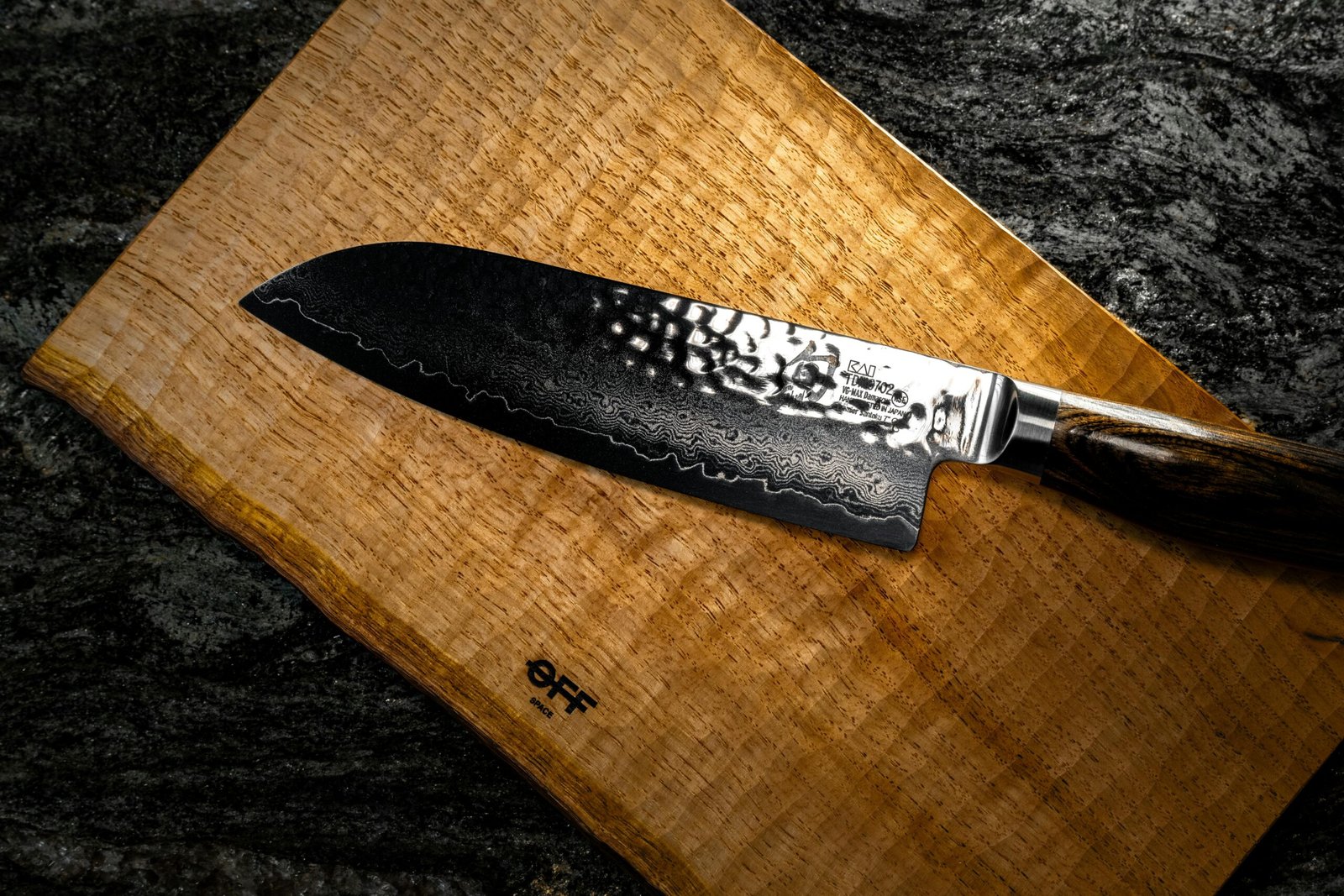
A quality chef’s knife is the cornerstone of any kitchen. Modern reviews, including America’s Test Kitchen, emphasize full-tang, high-carbon stainless steel blades for optimal sharpness, durability, and weight balance. A budget-friendly knife starts around $30, while mid-range knives can cost $60–$120.
Cutting Board
Protect knives and counters with cutting boards. Hardwoods like maple or acacia preserve edges and hygiene but require regular oiling. Plastic boards are inexpensive, dishwasher-safe, and versatile. Prices range $15–$80 depending on size and material.
Mixing Bowls
Stainless steel bowls are durable, lightweight, and non-reactive—perfect for salads, batters, or marinating. Nesting sets of 3–5 bowls cost $20–$60.
Measuring Cups & Spoons
Accurate measurements are crucial for baking and precise cooking. Stainless steel or sturdy plastic sets cost $10–$25.
Spatulas, Wooden Spoons, Silicone Tools
Metal or silicone spatulas handle stirring and flipping, wooden spoons are perfect for sautéing, and silicone spatulas scrape bowls clean. Heat-resistant, food-safe materials are a must. Sets range $15–$50.
Saucepan and Skillet
A 2–3 quart stainless steel saucepan and a heavy-bottomed 10–12 inch skillet (cast iron or nonstick) cover searing, frying, boiling, and simmering tasks. Budget pans start at $25; high-end options exceed $100.
Baking Sheet
Aluminum or aluminized steel half-sheet pans provide even roasting and baking. Prices range $10–$30.
Colander and Can Opener
Durable colanders ($8–$30) are versatile for pasta and produce. Manual or electric can openers ($10–$25) remain essential, particularly those with ergonomic designs and stainless steel gears.
Multiuse items like bench scrapers or silicone spatulas streamline tasks, replacing multiple single-purpose gadgets. Investing in these tools maximizes space efficiency and workflow in any kitchen.
Choosing and Maintaining the Right Knives
A reliable knife set includes a chef’s knife, paring knife, and serrated bread knife. The chef’s knife (8–10 inches) handles most prep tasks, from slicing vegetables to mincing herbs. The paring knife (3–4 inches) excels at delicate tasks, while a serrated knife is ideal for crusty bread or soft fruits.
Blade Material and Construction
High-carbon stainless steel balances sharpness with rust resistance. Forged knives offer sturdiness and long-lasting edges; stamped knives are lighter and more affordable.
Care and Storage
Handwash immediately, dry thoroughly.
Hone weekly; sharpen every 3–6 months.
Storage: Magnetic strips, knife blocks, or in-drawer guards.
When buying, check weight, balance, grip comfort, and warranty. Personal ergonomics matter more than brand alone.
Selecting Cookware That Matches Your Cooking Style
Pan Materials
Stainless Steel: Durable, versatile, ideal for browning and deglazing.
Nonstick: Great for eggs/pancakes; replace when coating wears.
Cast Iron: Excellent heat retention; seasoned for natural nonstick.
Enameled Cast Iron: Heat retention without seasoning; perfect for stews.
Carbon Steel: Heats rapidly; excellent for searing and stir-fry.
Copper: Unmatched heat control; lined interiors recommended.
Start with a lidded 10–12 inch skillet, 3–4 qt saucepan, and enameled Dutch oven. Specialty pans can be added based on your preferred cuisine.
Care Tips
Cast iron/carbon steel: Handwash, dry immediately, lightly oil.
Stainless steel: Dishwasher-safe, handwash for shine.
Nonstick: Avoid metal utensils, handwash gently.
Weight, balance, and construction quality affect both comfort and performance. Multi-ply pans ensure even heating, worth investing in for serious home cooks.
Small Appliances and Gadgets That Save Time
Key appliances elevate efficiency:
Blender & Food Processor: Essential for soups, sauces, and prep.
Stand Mixer or Hand Mixer: Crucial for baking enthusiasts.
Immersion Blender: Perfect for pureed soups and small batches.
Electric Kettle & Toaster Oven/Air Fryer Combos: Quick, energy-efficient cooking.
Multicooker/Rice Cooker: Frees stove space; ideal for grains, stews, yogurt.
Additional gadgets include:
Digital scale
Microplane zester
Bench scraper
Instant-read thermometer
Silicone baking mats
Integrate these into your workflow, prep mise en place, and use dishwasher-safe parts where possible for quick cleanup. Compare multi-function versus single-purpose based on frequency of use and available space.
Organizing, Maintaining, and Upgrading Your Kitchen Toolkit
Organization
Drawer organizers for utensils and knives
Vertical pan racks or pot rails
Wall-mounted magnetic knife strips
Daily-use items at arm’s reach; seasonal tools higher up
Maintenance
Biweekly knife honing; professional sharpening as needed
Weekly appliance exterior cleaning; monthly deep-clean of moving parts
Inspect nonstick coatings and gadget cords regularly
Sustainability and Budgeting
Repair tools when possible; recycle worn metals/plastics
Upgrade only when performance or safety is compromised
Phase purchases: start with knives and pans, add appliances based on cooking style
FAQ
Is nonstick cookware safe? Modern nonstick is safe under normal heat; replace if scratched.
Should I use the dishwasher? Handwash knives, wood, and nonstick; other items per manufacturer.
High-end vs. budget tools? Invest in essentials like chef’s knife and saucepan; accessories can be upgraded over time.
Conclusion
The right Kitchen Tools: Choosing the right kitchen tools transforms cooking from chore to delight streamline prep, improve safety, and make cooking enjoyable. Prioritize high-quality knives, versatile cookware, and essential appliances. Maintain your tools, organize strategically, and upgrade thoughtfully to build an efficient, long-lasting kitchen setup. With careful selection and care, your kitchen becomes a space that inspires creativity and enhances every meal.
When selecting a high-quality chef’s knife, it helps to read America’s Test Kitchen’s top knife picks for their rigorous testing on sharpness, edge retention, and balance.