

Table of Contents
Countertop nugget ice maker appliances have surged in popularity among homeowners who want restaurant-style chewable ice at home, but it’s not as simple as picking any model off the shelf. Choosing and owning the right machine involves understanding market growth, efficiency, energy use, and maintenance—while avoiding disappointments in quality or cost.
Key Takeaways
- Premium countertop nugget ice makers dominate the growing market with higher prices, advanced features, and demand for Sonic-style ice.
- Choosing the right machine involves understanding capacity, efficiency, and ongoing maintenance requirements for lasting performance.
- Energy efficiency, sound levels, and smart features like app scheduling can make a real difference in daily home use.
- Understanding Countertop Nugget Ice Makers: What and Why
- Step-by-Step Guide: How to Choose and Use a Countertop Nugget Ice Maker
- Advanced Analysis & Common Pitfalls
- Conclusion
- Frequently Asked Questions
Understanding Countertop Nugget Ice Makers: What and Why
Countertop nugget ice makers produce chewable “Sonic-style” ice—small, crunchy pellets ideal for drinks and smoothies. Unlike traditional bullet or cube machines, they offer a bar-quality experience right on your kitchen counter. Interest has soared, with the global market reaching USD 1.21 billion in 2024, a segment driven by the premium feel and texture preferences of North American users.
Their rise owes much to home entertaining, specialty beverages, and the desire for quality ice at any time. Unlike standard cubes that melt slowly and are difficult to chew, nugget ice absorbs flavors and cools drinks fast without watering them down instantly. This trend is reflected in the impressive projected market growth rate of 9.76% CAGR for nugget machines through 2030.
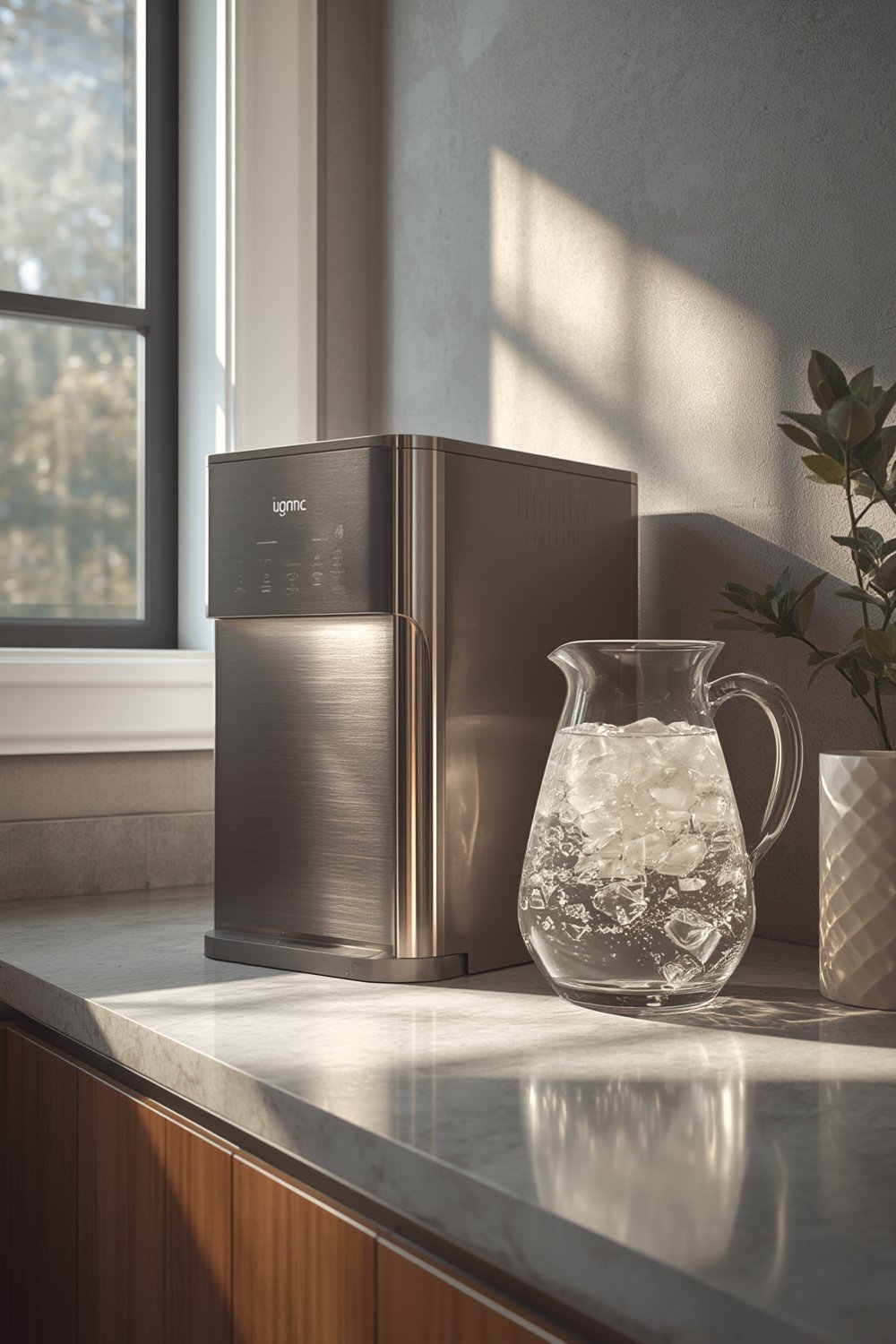
The premium price tag is justified by improved technology, noise reduction efforts, and smart features like app-based scheduling. Brands like GE Opal 2.0 now offer filtration and scheduling options to match restaurant-quality, while home models focus on compact size for everyday kitchen use. Sonic ice, once reserved for drive-ins and restaurants, is now achievable at home—if you know what to look for.
Step-by-Step Guide: How to Choose and Use a Countertop Nugget Ice Maker
Follow these steps to confidently select and maximize your countertop nugget ice maker.
- Determine Your True Ice Needs
- Estimate the maximum ice you use in one sitting—typical nugget machines deliver 20-50 lbs per 24 hours, but output per hour matters more.
- For large gatherings, choose higher capacity. For daily use, a smaller unit may suffice.
- Check Speed, Not Just Daily Output
- Restaurant-quality nugget ice takes longer than bullet or cube types. GE Opal 2.0 takes about 20 minutes for the first batch, prioritizing quality over mass volume.
- Accept longer first-freeze times (up to 20 minutes), but look for rapid recovery time between cycles if you serve many guests.
- Prioritize Quality and Texture
- Read user feedback and manufacturer specs for actual pellet style. Not all “nugget” models offer consistent chewability.
- Focus on models with scale-inhibiting filtration—this keeps ice clear, tasteless, and preserves machine lifespan.
- Demand Smart, Convenient Features
- WiFi/app controls let you schedule ice production before you arrive home or prep for guests.
- Removable bins and self-clean settings save time and effort, making regular maintenance realistic.
- Evaluate Sound and Energy Ratings
- Countertop nugget ice makers are quieter than older compressor models, but some noise is inevitable.
- Look for models promoting DOE energy targets which typically indicate efficiency and reduced operating sound.
- Maintenance Requirements Matter
- Consider subscription filters (like GE Opal’s), which are easier to replace and increase water quality for tastier ice.
- Plan for cleaning every month. Machines with less accessible reservoirs or no self-clean button quickly become a chore.
- For more sustainable kitchens, check out smart kitchen recycling bins and other organization ideas.
- Plan for Placement
- Most countertop models need a dedicated, level surface near an outlet. They can be heavy and require space for ventilation.
- If space is limited, explore wall shelves floating stylish options for organizing around your appliance.
- Budget for the Long Term
- Nugget ice makers cost $300–$500+ in 2024, as much as 2–3 times bullet models. Extra features, smart controls, and filtration all impact pricing. (source)
- Factor in ongoing maintenance costs for filters and occasional repair parts. Warranty coverage varies but is rarely longer than 1–2 years; review before purchase.
- Commit to Clean Water
- Water quality directly affects ice quality and machine performance. Use filtered or distilled water whenever possible.
- For overall kitchen organization, see smart kitchen cabinet and drawer organization for more ideas.
Advanced Analysis & Common Pitfalls
While countertop nugget ice makers are a leap forward in convenience and quality, users encounter several realistic challenges:
- Slower Ice Production: Nugget ice is slower to produce than cubes or bullets. Expect wait times of 15-20 minutes for initial ice, compared to 6-8 minutes for basic ice makers.
- No Transparent User Reviews: Verified complaints are sparse, leaving gaps in real-world feedback about noise, mechanical issues, or ease of cleaning.
- Above-Average Noise: Though improved, these machines produce a noticeable hum, which can be disruptive in quiet kitchens.
- Maintenance Commitment: Without regular descaling and cleaning, performance drops and flavor or odor issues can develop.
- Higher Energy Usage: Nugget makers draw more power due to their compressor design and longer cycles. While newer models improve on this, don’t expect the energy savings of bullet-style machines.
- Warranty Headaches: Warranty details are unclear across brands and may not cover long-term issues like internal leaks or component failure.
- Costs Add Up: Filter subscriptions, time spent on manual cleaning, and occasional replacement parts can add to the lifetime ownership cost.
- Space and Ventilation Needs: These appliances need counter space and airflow. Overcrowded counters or enclosed spaces can affect performance or cause overheating.
| Feature | Nugget Ice Makers | Bullet/Cube Ice Makers |
|---|---|---|
| Average Price (2024) | $300–$500+ | Under $150 |
| Cycle Speed | First batch: 15–20 min | First batch: 6–8 min |
| Ice Texture | Soft, chewable “Sonic-style” | Hard, standard cubes/bullets |
| Maintenance | Moderate–Challenging (filter changes + cleaning) | Low–Moderate |
| Smart Features | WiFi/app, filtration (select models) | Rare |
| Noise Level | Moderate | Low–Moderate |
| Warranty Transparency | Poor (often unclear) | Moderate |
| Ideal Use | Premium beverages, entertaining | General cooling, daily drinks |
For more kitchen optimization, check out ultimate smart kitchen shelving or best kitchen anti fatigue mats for your workspace.
Conclusion
Countertop nugget ice makers transform home beverage experiences with premium restaurant-style chewable ice, but choosing wisely requires balancing capacity, price, and upkeep. Avoid shortcuts on maintenance or overlook noise and energy use if lasting satisfaction matters. With the right choice, you’ll have crowd-pleasing ice for every occasion. Ready to discover the best countertop nugget ice maker for your kitchen? Start your search today and keep your drinks cool, your guests happy, and your hosting effortless.
For more smart kitchen and home optimization ideas, see our best kitchen tools for home cooks 2025.
Frequently Asked Questions
How long does a countertop nugget ice maker take to produce the first batch of ice?
Most nugget ice makers take between 15 and 20 minutes for the first batch, slower than bullet-style models, but their chewable ice is worth the wait.
What kind of maintenance does a nugget ice maker require?
Regular cleaning (monthly), periodic filter replacements, and descaling are essential for performance and taste. Models offering self-clean settings or removable bins reduce the hassle.
Are all “nugget” or “Sonic-style” ice makers equal in ice quality?
No. Texture, size, and chewability can differ. Look for models with filtration and advanced compressors (such as the GE Opal 2.0) for the closest restaurant experience.
Do countertop nugget ice makers use a lot of electricity?
They use more energy than basic bullet ice makers due to longer cycles and compressor demand. Newer models regulated for energy efficiency can ease running costs.
Why are nugget ice makers more expensive than other types?
The advanced technology, unique ice texture, and premium features like app control and built-in filtration increase manufacturing and retail cost compared to basic models.