

Table of Contents
Modular sofa designs have changed how we think about living room furniture, delivering flexible, customizable seating for today’s modern homes.
Key Takeaways
- The modular sofa market is growing fast, with North America leading and a strong demand for adaptable, space-efficient designs.
- Buyers need to watch for real-world durability, connection quality, and assembly complexity, not just style or modularity claims.
- Brands vary widely in delivery, warranty, and returns—these influence satisfaction more than most consumers expect.
- What Is a Modular Sofa and Why Choose One?
- How to Choose and Set Up a Modular Sofa: Step-by-Step Guide
- Modular Sofa Advanced Analysis & Common Pitfalls
- Conclusion
- Frequently Asked Questions
What Is a Modular Sofa and Why Choose One?
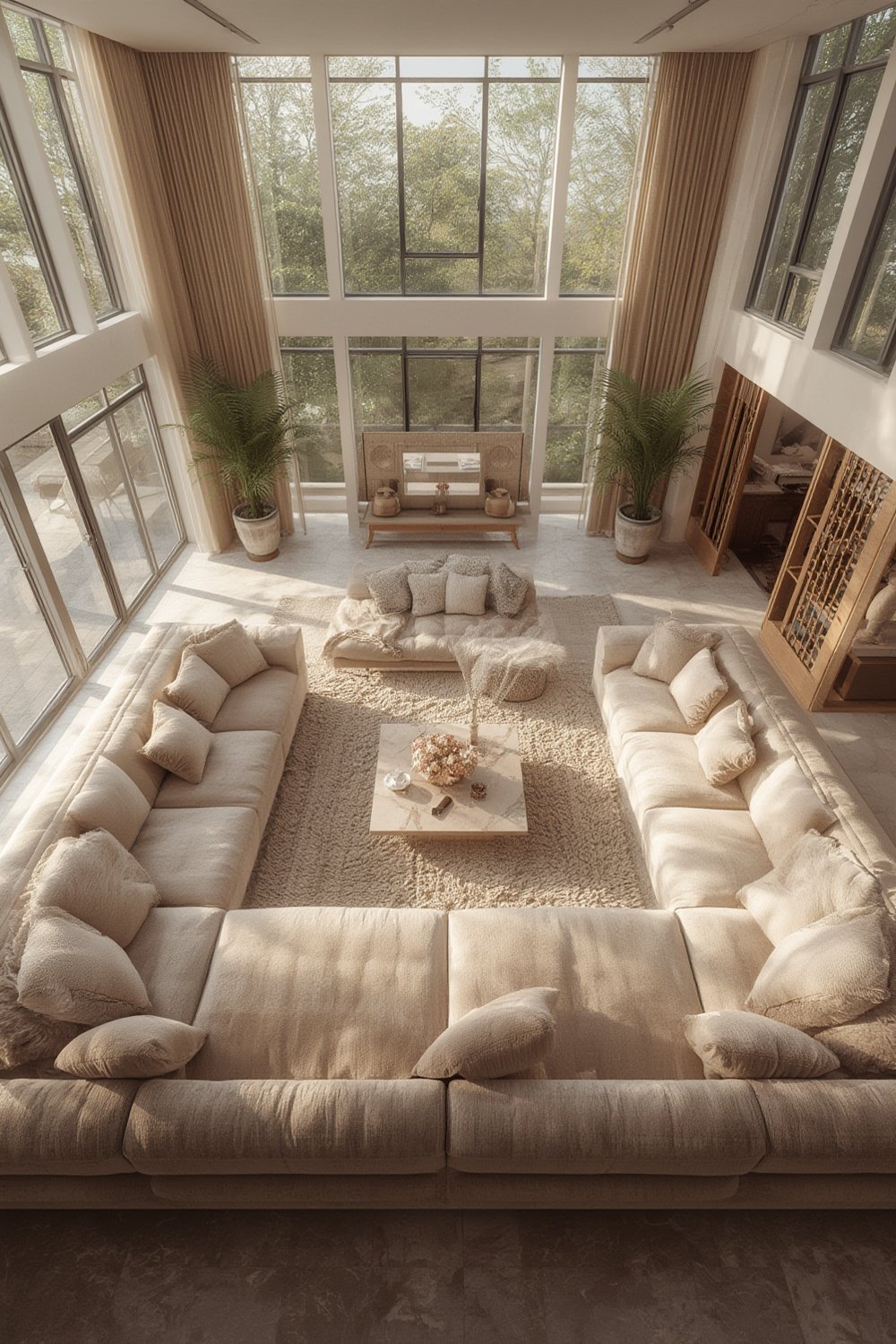
A modular sofa consists of multiple independent seating sections—modules—which you can combine in endless layouts. Each section is designed to fit with the others, letting you create U-shapes, L-shapes, or split seating. Unlike fixed sofas, you can rearrange or expand a modular sofa as your needs change.
In 2024, global demand for modular sofas reached approximately $11.1 billion and is rising, mostly in North America, Europe, and Asia-Pacific. The core reasons for this popularity are clear: urban homes are shrinking, home offices and flexible spaces are now the norm, and families want furniture that adapts.
Current market research shows that modular sofas, as a segment, dominate modern modular furniture sales (Cognitive Market Research).
A modular sofa is also easier to transport through doorways and fits unusual spaces—ideal for renters and city dwellers. If you move or your family grows, simply add or subtract modules. That makes modular sofas a practical investment for many living situations.
Interested in making your home more functional? Modular systems also inspire interest in space-saving solutions like wall shelves floating stylish or smart kitchen recycling bins for kitchens.
How to Choose and Set Up a Modular Sofa: Step-by-Step Guide
If you’re considering a modular sofa for your home, here is a realistic action plan:
- Identify Your True Needs
Decide which shapes—straight, L-shape, U-shape, or corner—fit your lifestyle. If you plan to host, consider adding ottomans or a chaise module for flexible seating. - Compare Frame and Fabric Quality
Seek out hardwood frames and strong connectors. Fabrics may include cotton, linen, leather, or synthetic—for pets and kids, performance fabrics are best. Quick tip: ask about removable, washable covers for easy cleaning. - Understand Modular Connection Mechanisms
Each brand uses unique connectors (clips, brackets, hidden latches, or hook systems). Confirm they won’t work loose—poor quality hardware can make modules wobble or shift, leading to user frustration. Look for reviews that mention stability! - Research Delivery, Returns, and Warranty
Policies vary: some brands offer white-glove delivery, assembly, or generous return periods. Read the fine print before you commit, especially with large purchases. - Prepare for Assembly
Modular sofas often require at-home assembly, ranging from simple clip-in systems to full tool builds. Check instructions and videos on the brand’s website. If you’re not confident, consider hiring assembly help. Many people underestimate this step and end up frustrated. - Test Before You Buy (if you can)
Try out seats in-store to check comfort and quality. You’ll quickly notice if the cushion depth or back angle is wrong for you. If buying online, check for free returns or satisfaction guarantees.

For tight, urban spaces, compact modular sofas can make a huge difference. See how multi-use furniture—like in this guide to stunning kitchen tables and chairs—boosts flexibility in small apartments. If you’re tackling a larger room refresh, don’t miss our tips for rustic dresser for bedroom selections and smart storage upgrades.
In summary, modular sofas offer versatility but require honest planning. Make a checklist, test connection mechanisms, and always confirm policy details before purchase.
Modular Sofa Advanced Analysis & Common Pitfalls
Recent market data shows that while modular sofas are growing fast—expected to hit over $12 billion in value soon—they aren’t perfect. Here’s an advanced, honest breakdown for 2024:
| Issue | Explanation | Pro Buyer Move |
|---|---|---|
| Flexibility Overhyped | Low-cost or entry-level models often have limited rearrangement options. Some “modular” sofas only let you switch the chaise’s side, not split or expand. | Read all product specs. Watch brand videos for actual assembly and moving demos. |
| Durability Variance | Corner joints and connectors can wear out, causing wobbles or gaps. Cheaper frames may creak over time, especially with frequent moves or reassembly. | Ask sellers about warranties on connectors and frames. Feel beneath the fabric for real wood, not particleboard. |
| Assembly Surprises | Instructions aren’t always clear; tool requirements are sometimes missing from product pages. Some modules arrive with missing pieces or damage, complicating DIY setup. | Read up on common issues from other buyers. Take photos on arrival and inventory all parts before starting. |
| Cost and Components | Per-section pricing often makes full setups pricier than all-in-one sofas. Upgrading with new modules in the future? Models change, colors fade, and compatibility may break. | Confirm future add-on module availability. Get in writing what is guaranteed for restock. |
| Delivery, Warranty, Returns | Service levels and return policies range from easy to frustrating. Oversized returns can carry huge shipping fees or require original packaging—rarely mentioned upfront. | Favor brands praised for hassle-free returns and responsiveness. Read third-party reviews. |
Materials matter, too. Most models use fabric, leather, or synthetics on a wood (sometimes particleboard) frame. Sizing usually goes from small (suited for tight apartments), medium, to large. Not all brands publish weight limits—if you have special needs (mobility, kids jumping, large adults), ask directly.
If you’re torn between a “modular sofa” and a “modular sectional sofa”—cost, material, and customization options currently aren’t compared brand by brand in public data. Expect the same materials and similar reconfiguration methods, though style, seat depth, and connection systems may differ. Market analysis from Verified Market Research and WiseGuy Reports supports this conclusion.

Wondering what to pair with your new setup? Check out our ultimate modern sofa guide 2025 for next-level inspiration, or explore amazing hands-on home furniture combinations for a more integrated living space.
Conclusion
Modular sofas are rising in popularity for a reason: they offer unmatched adaptability, fit in tricky spaces, and grow with your household. But buyers need to dive deeper than style—frame quality, connectors, and real warranty coverage can make or break your satisfaction. Check policies, measure everything, and don’t assume all “modular” sofas deliver the same performance. The modular sofa can be a smart investment—if you choose with care.
Ready to design a space that works for you? Explore the full world of modular furniture, and don’t hesitate to reach out for advice or start your search for your own modular setup today.
Frequently Asked Questions
What materials are modular sofas made from?
Most modular sofas use hardwood frames with fabric, leather, or synthetic covers. Some use a mix of wood and engineered wood. For high-traffic homes, consider performance fabrics or removable, washable covers.
Can I add more sections to my modular sofa later?
Yes, if the brand still offers your sofa type and fabric color. However, styles and stock do change; always confirm future compatibility and availability with the retailer before purchase.
How difficult is assembly?
It depends on the brand and your comfort with DIY builds. Most modular sofas require connecting each module with brackets or clips. Simple systems can be built in under an hour, but complex models with multiple seat types can take longer.
Do modular sofas work well in small apartments?
Absolutely. Modular sofas are ideal for small spaces, as you can start small, adapt the layout for guests, or split sections to create more seating options. Compact modules can fit through tight doors and halls.
What are typical warranty and return policies?
Warranty and return periods vary a lot. Some brands offer 1–5 years on frames, but only 1 year or less on fabric and connectors. Returns may require original packaging and may carry return shipping fees, especially for oversized items—always check before you buy.