

Table of Contents
Wide shelving unit solutions have become a cornerstone for homeowners, businesses, and DIYers seeking efficient, robust storage that doesn’t compromise on accessibility or visual appeal.
Key Takeaways
- Metal wide shelving units are booming in global demand, with customization and modularity driving growth.
- Lack of transparency in user reviews means buyers need to do extra diligence on stability and assembly.
- Comparing key specs like material, finish, capacity, and modular features ensures you get the best fit for your space and needs.
- What Is a Wide Shelving Unit and Why Choose One?
- How to Select and Install a Wide Shelving Unit (Step-by-Step)
- Advanced Analysis and Common Pitfalls
- Conclusion & Next Steps
- FAQ: Wide Shelving Units
What Is a Wide Shelving Unit and Why Choose One?
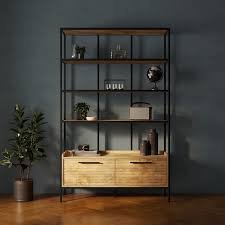
A wide shelving unit is a storage fixture built to accommodate larger objects, heavier loads, and maximize usable wall or floor space with broad, strong shelves—especially in environments where standard-width shelves fall short. Metal wide shelving units, including gondola and wall-mounted types, dominate retail and commercial storage thanks to their durability and capacity to support substantial weight. Homeowners are increasingly using wide shelving units to declutter garages, kitchens, and workshops with professional results.
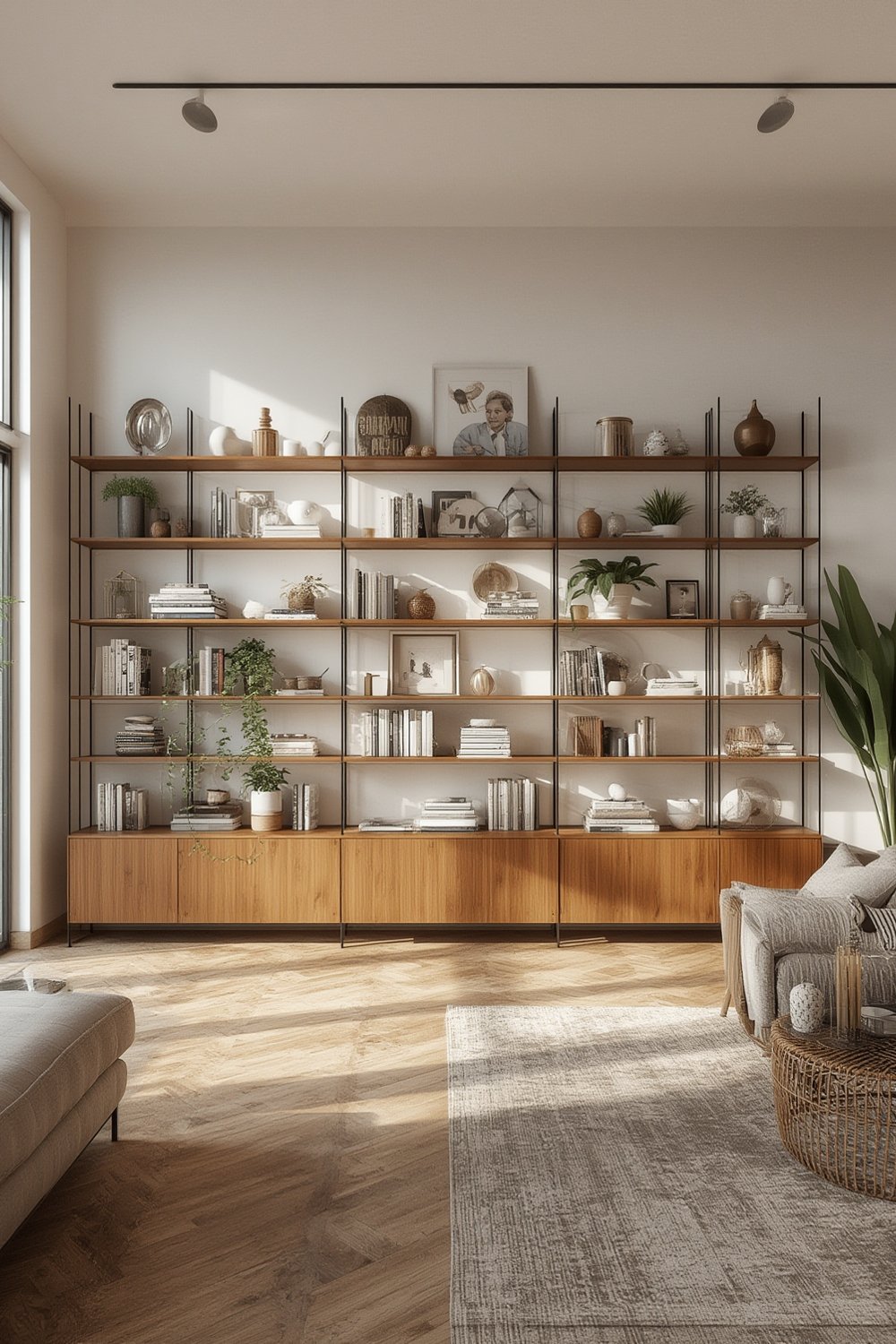
The market for these units has surged, hitting $2.5 billion in 2024, with metal shelving comprising the fastest-growing segment due to demand for strength, low maintenance, and customizable layouts (source).
Whether you’re outfitting a grocery store or a busy laundry room, wide shelving units offer:
- Substantially increased storage volume per linear foot.
- Fewer supports and uprights—making shelves more accessible and flexible.
- A choice of finishes and materials, including steel for high performance or wood for warmth.
- Modular add-ons so units adapt as needs change.
Homeowners aiming for a stylish, practical solution might also explore alternatives like wall shelves floating stylish for quick upgrades in smaller spaces.
How to Select and Install a Wide Shelving Unit (Step-by-Step)
Choosing the right wide shelving unit is as much about preparation as it is about product features. Here’s how to get it right the first time:
Always measure your available wall or floor area twice, and allow at least 3-5 inches of clearance at the back and sides for airflow, cleaning, and future adjustments.
Repurpose extra-wide shelving units as room dividers in open spaces to create visual separation while boosting storage. Attach durable casters to metal units for mobile storage that adapts on the fly, perfect for kitchens and workshops.
- Assess Whether You Need Metal, Wood, or a Hybrid:
- Metal shelving (steel or aluminum) is best for heavy-duty or industrial settings thanks to superior load-bearing strength and long life (source).
- Wood wide shelving units can add warmth to living spaces or serve lighter-duty needs—but usually can’t match metal for durability.
- Confirm Dimensions and Layout:
- Measure height, width, and depth. Check product specs to avoid shelves that will block light switches, vents, or doors.
- If you’re after flexible storage, look for modular “add-on” sections or units with adjustable shelf heights.
- Compare Technical Specs:
- Weight Capacity: Heavy-duty steel can exceed 500 lbs per shelf. Home and retail models may range from 100–400 lbs.
- Material Gauge: Thicker steel (lower gauge number) means sturdier support—but at higher cost and weight.
- Finish: Powder-coated steel resists rust and scratches; natural or stained wood needs periodic maintenance.
- If you want smarter storage, look for customization like movable dividers, extra hooks, or integrated lighting. Kitchen spaces especially benefit—see ultimate smart kitchen shelving for creative examples.
- Assemble and Secure:
- Lay out all parts and double-check the kit against instructions before starting.
- For tall or freestanding wide shelving, anchor to wall studs for maximum safety—especially important in earthquake-prone areas or homes with young kids.
- Final Touches and Modularity:
- Add modular elements as your storage needs change—shelving manufacturers now offer mobile kits, clip-on racks, and lighting for easy upgrades (source).
- Match your shelving color or finish to the room’s style—if you love a rustic look, check rustic dresser for bedroom for inspiration on blending wood and metal textures.
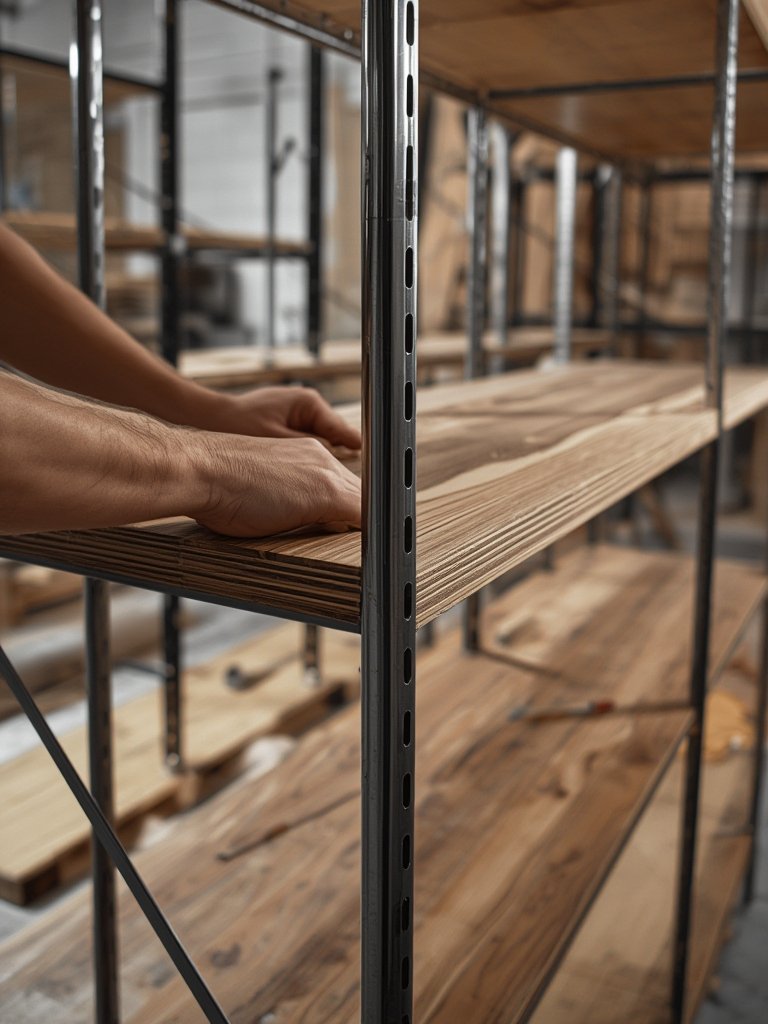
For homes that need hidden storage, hybrid shelving systems combine open wide shelves with discreet cabinets—see ultimate smart wall shelves for more modular wall-mount ideas. And consider adding organization bins or baskets, like those covered in smart kitchen recycling bins for upgraded kitchen or garage organization.
Advanced Analysis and Common Pitfalls
Even though demand and choices are rising, real-world feedback is thin. Here’s what buyers often overlook—and how to avoid headaches:
- Assembly Frustrations: Without detailed user reviews, you might hit unclear instructions, missing fasteners, or hard-to-fit panels—especially on ultra-wide units.
- Stability and Safety: Unanchored units pose tip-over risks with heavy or unbalanced loads. Many kits don’t include wall anchors by default. Always secure units to studs wherever possible.
- Hidden Maintenance: Cheaper painted finishes may chip or rust over time, especially in damp garages or kitchens. Powder-coated is best for longevity, but costs more.
- Specs Confusion: Key specs such as weight capacity, steel thickness, and shelf depth are not always published. If you can’t find this info, contact the manufacturer. Guesswork here can lead to failures or safety hazards.
| Criteria | Metal Wide Shelving Unit | Wood Wide Shelving Unit |
|---|---|---|
| Weight Capacity (per shelf) | 100–500+ lbs (steel) | 40–200 lbs (hardwood) |
| Rust/Corrosion Resistance | Excellent (with powder coat), poor if uncoated | N/A |
| Maintenance | Low (wipes clean) | Medium (may need refinishing/sealing) |
| Longevity | 15+ years | 5–15 years (surface wear, moisture) |
| Modularity | High (add-ons, adjust shelves, mobile) | Moderate (usually fixed shelves) |
| Price Transparency | Variable, often bundled in large volumes | Variable, easier to estimate for custom or retail units |
Unfortunately, little is published about warranties or safety certifications, so request this info up front—especially for heavy-duty or commercial use (see research).
Conclusion & Next Steps
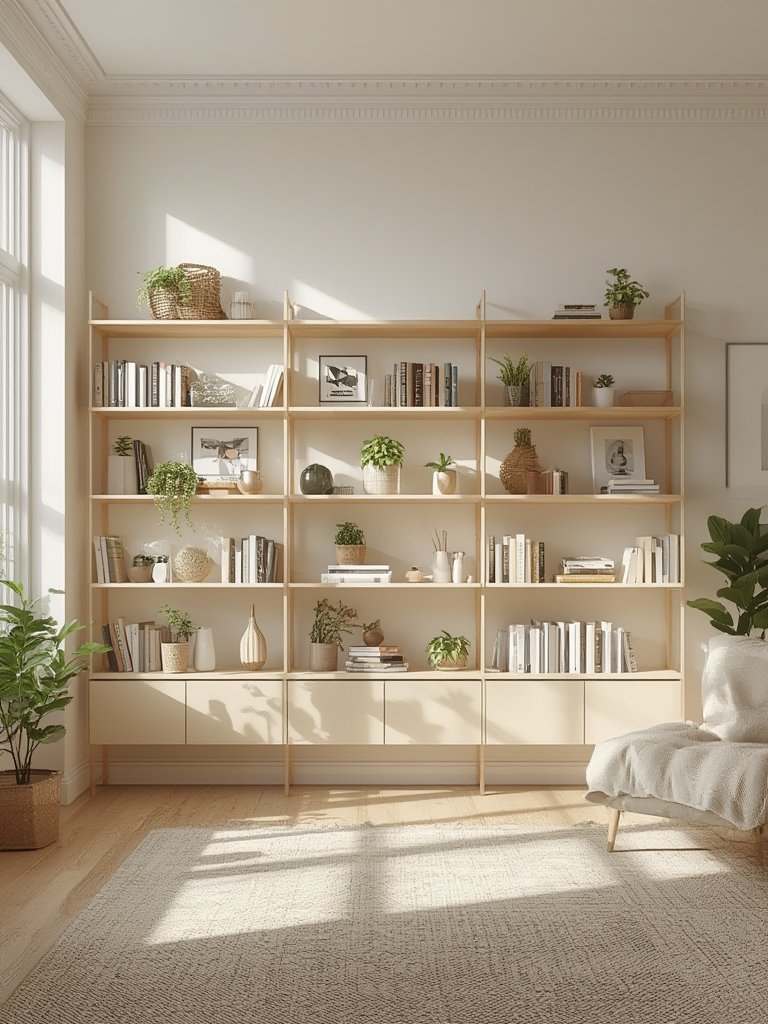
Demand for wide shelving units is climbing fast as homes and businesses need flexible, durable storage that can adapt to changing needs. Choose metal for strength and longevity, wood for style, and always compare technical specs before buying. Modular systems offer unmatched flexibility, but do your homework on assembly and safety. Ready to transform your space? Compare options and make your next wide shelving unit purchase with confidence today.
For more storage and organization ideas, browse our guides on glass jars for kitchen and ultimate smart kitchen shelving.
FAQ: Wide Shelving Units
What is the maximum weight a wide shelving unit can hold?
It depends on construction—commercial steel units may support 500 lbs or more per shelf, while residential or wood shelves typically handle less (100–200 lbs). Always check product specs for the exact rating.
How do I secure a wide shelving unit to the wall?
Use the provided brackets or heavy-duty L-brackets and drive them directly into wall studs. For masonry, use suitable anchors. Always follow installation instructions.
Are metal shelving units better than wood?
Metal units are stronger, more durable, and require less maintenance. Wood shelving can be attractive, lighter, or less expensive for light storage. Choose based on your load and design needs.
Can I expand a wide shelving unit later?
Many metal units are modular, allowing you to add more shelves, dividers, or mobile kits as your needs change. Always check compatibility when buying add-ons.
What modular shelving alternatives work for smaller rooms?
If space is tight, floating shelves or wall-mounted modular units can maximize vertical space—see our guide on wall shelves floating stylish.