

Table of Contents
Home decor is more than looks—it’s about function, comfort, and impact. In 2024, the home decor market is booming, but many homeowners still struggle to create spaces that fit both trends and everyday life. Let’s break down the realities, latest trends, and realistic steps you can take to upgrade your home without headaches or wasted money.
Key Takeaways
- The global home decor market is set to surpass $1 trillion by 2032, with Asia Pacific and North America leading both value and growth. (source)
- E-commerce, sustainable decor, and social media-fueled trends are shaping consumer choices—and confusion.
- Realistic, step-by-step planning can help avoid costly mistakes and create a space that feels like home, not just a showroom.
- What Home Decor Really Means Today
- Step-by-Step Guide: Transforming Your Home Decor Without Regret
- Advanced Analysis & Common Pitfalls in Home Decor Projects
- Conclusion
- FAQ
What Home Decor Really Means Today
The essence of modern home decor is about personalizing your space in a way that blends looks, comfort, budget, and function. It’s not about copying catalog trends blindly. You want a space that looks sharp but also stands up to daily life—kids, pets, cooking, and remote work included.
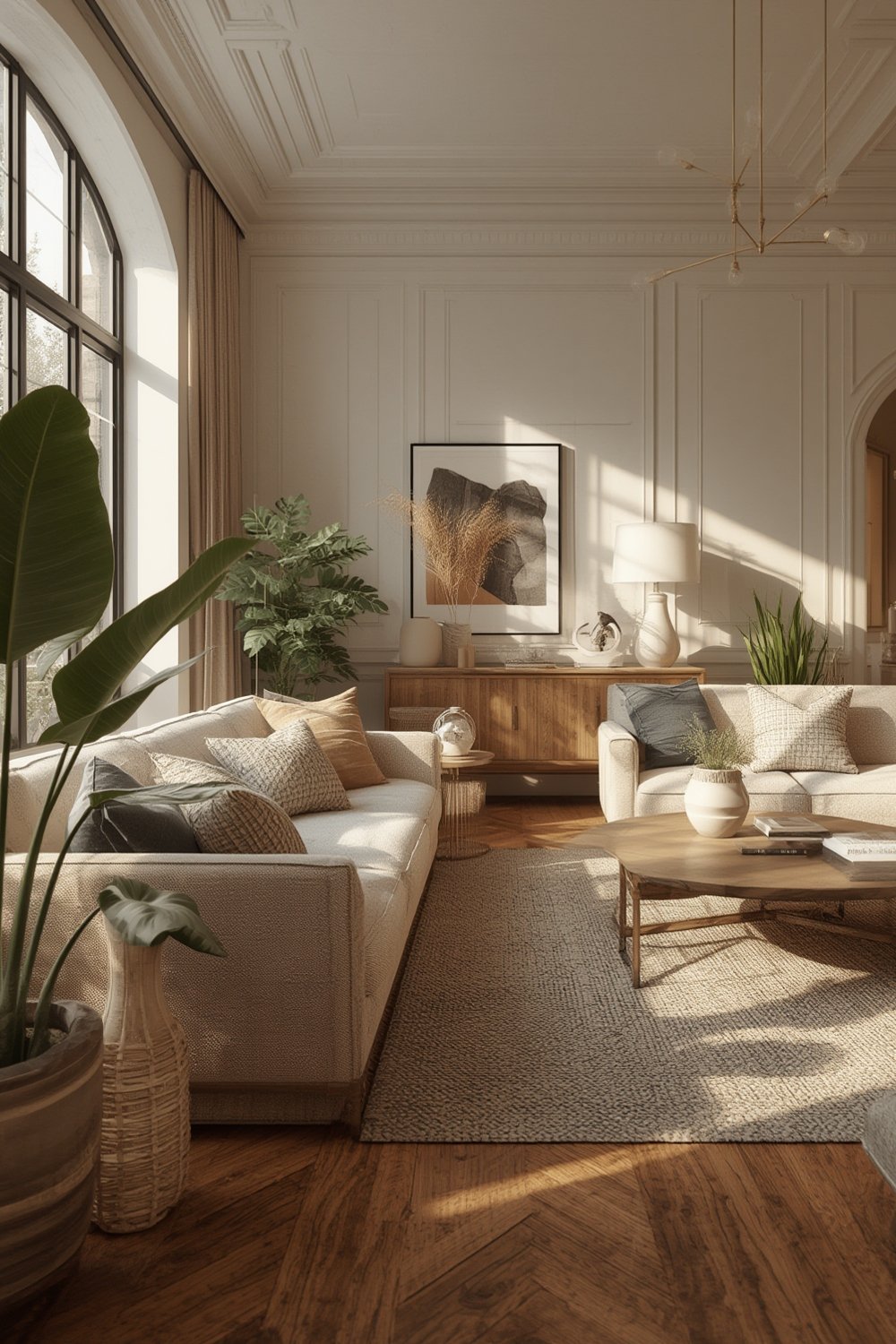
Market data backs up this trend: the market is huge, estimated from USD 644.93 billion to USD 960.14 billion in 2024. Asia Pacific and North America drive growth, fueled by urbanization, increased disposable incomes, and a demand for functionality in smaller spaces. Sustainability, e-commerce, and the influence of social platforms are also key drivers.
But for homeowners, it’s easy to get stuck. How do you choose between quality, price, and style when every influencer, ad, and retailer pushes a different “must-have” trend?
Practical home decor is about blending modern aesthetics with pieces that last, organizing for real daily use, and making design choices based on your own routine—not just what’s trending. This means making smart investments in furniture, clever storage, and eco-friendly materials without buying into fads that won’t age well or work in your home.
Step-by-Step Guide: Transforming Your Home Decor Without Regret
If you’re ready to level up your home decor, follow these proven steps to get style and substance—without future regrets.
- Assess Needs and Set a Real Budget
List what’s missing or not working (storage, lighting, color, functionality). Assign real numbers. If you’re updating a kitchen, check out these ultimate smart kitchen shelving ideas to maximize space before buying new shelving units. - Choose a Cohesive Theme—But Personalize
Modern doesn’t mean sterile. Combine trending elements (like modular or multifunctional furniture) with a few unique pieces that show your personality. - Prioritize Key Pieces
Invest in one or two items that set the tone—like a smart wall shelf or a sustainable area rug. Quality matters most where you use things daily. - Maximize Storage and Utility
Use clever organizers and space-saving solutions, especially for kitchens and small apartments. Our organization guide covers streamlined storage that actually works. - Layer Lighting, Color, and Texture
Add depth with adjustable lighting, contrasting hues, and mixed finishes. Small changes like anti-fatigue kitchen mats can make a big difference in comfort and style. - Go Green—Responsibly
Choose lasting materials and brands that focus on sustainability. The brand Threaded offers eco-friendly bedding delivered in fabric, not plastic. - Tweak and Test
Before buying, try the “move it around” method. Place, take photos, and ask for outside opinions. Small details (like indoor plant pots) can transform a space if placed thoughtfully. - Document Your Before/After
This isn’t about social media likes. A photo log helps track progress and keeps you accountable to your goals and budget.
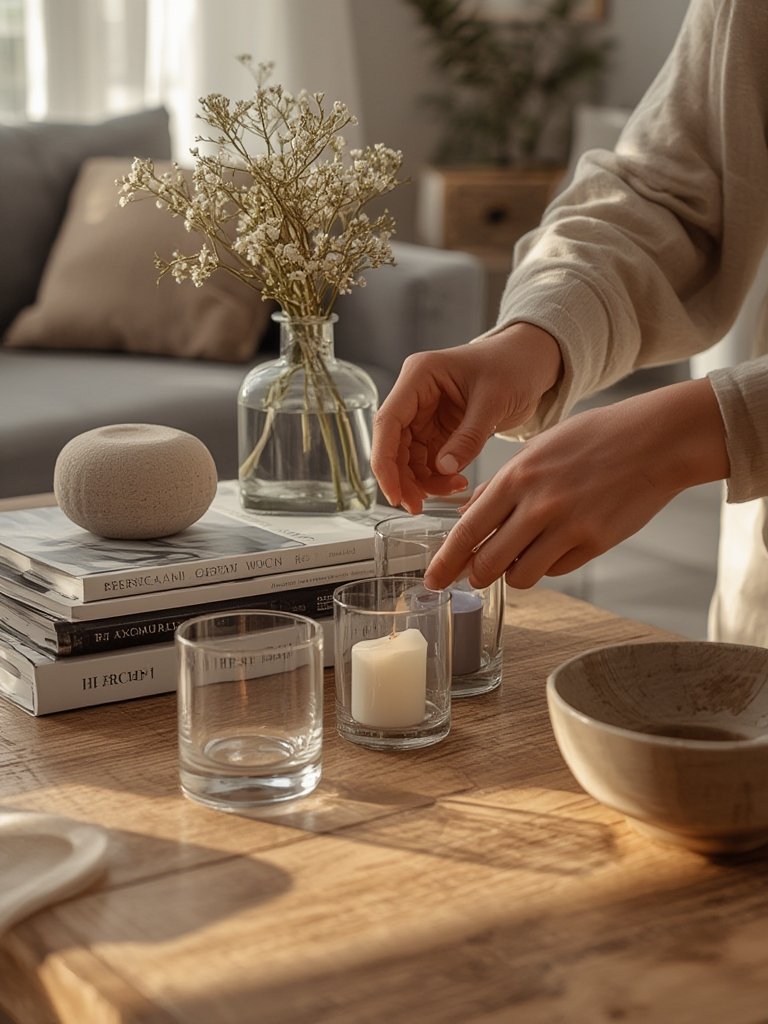
Making smart, sustainable choices is easier when you don’t try to do everything at once. Take it room by room, and don’t be afraid to mix high and low, or old and new.
Advanced Analysis & Common Pitfalls in Home Decor Projects
With the home decor industry booming, it’s easy to get swept up by trends or overconfident DIY advice. But missteps are common—and costly. Here’s what recent market data and real-world experience suggest you should truly watch out for:
- Overcommitting to Trends: Buying only trend-driven pieces leads to quick style fatigue—and extra spending to keep up.
- Ignoring Functionality: Looks are important, but if you can’t use a sofa or shelf daily, the novelty wears off fast. Check our hands-on furniture guide for picking functional pieces.
- Poor Budgeting: Many underestimate costs or ignore hidden fees like delivery, installation, or repainting.
- Skipping Research on Materials: Not all “eco-friendly” or “modern” tags mean durable or safe. Confirm certifications, especially for materials you touch daily.
- DIY Overreach: Painting, assembling, or installing without preparation leads to frustration or costly fixes.
- Style Mismatches: Failing to blend new purchases with what you already own results in rooms that don’t feel “put together.”
- Online Shopping Traps: Relying only on marketing images or influencer advice can lead to disappointment. Use verified reviews and, where possible, see items in person.
| Common Pitfall | Solution |
|---|---|
| Choosing style over comfort | Test items in-store, or read independent reviews before buying online |
| Ignoring room measurements | Map out items with tape; measure doorways and walkways |
| Disregarding lighting changes | Check color samples at different times of day |
| Underestimating budget add-ons | Add 15% to your estimated spend as a buffer for surprises |
Conclusion
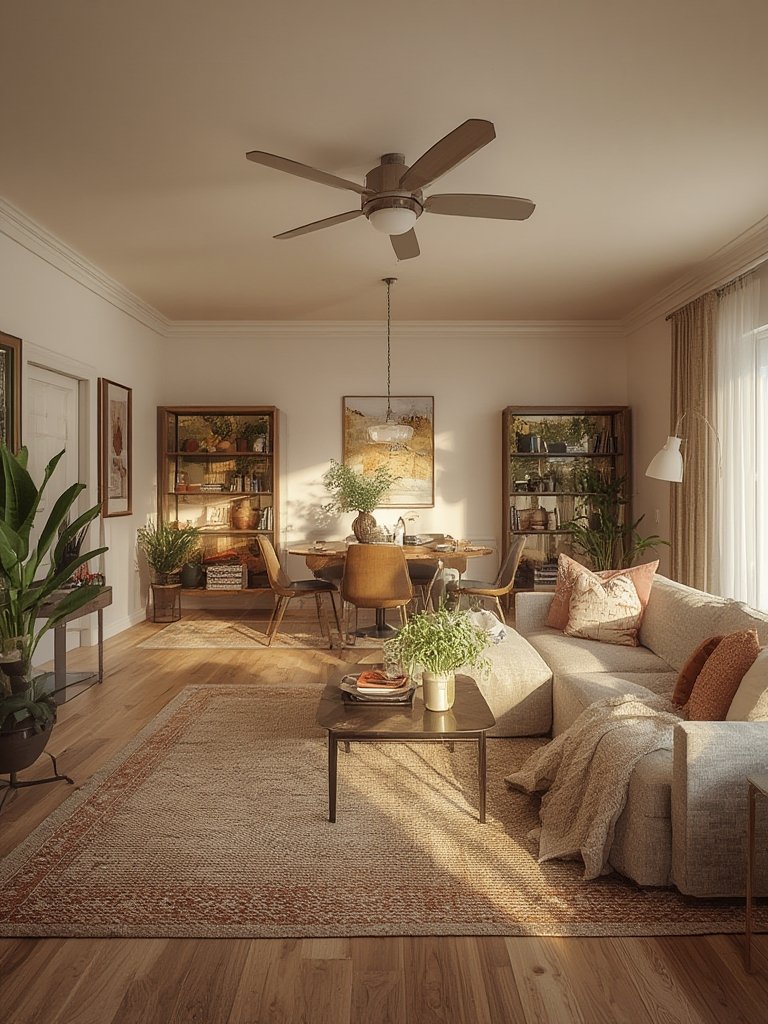
Home decor isn’t about chasing every new look—it’s about building a space that works and feels right for you, using smart strategies informed by market realities, real needs, and honest budgeting. The home decor market will keep growing, but the most lasting designs are the ones you personalize for daily comfort and function. Start small, invest wisely, and always put your own tastes and routines first.
Ready to start your own home decor refresh? Use the steps above—and check out our other guides on smart shelving and hands-on furniture to get realistic, actionable ideas that work.
FAQ
How much should I spend on a home decor project?
Costs vary by room and style, but always set a budget and add a 10–15% buffer. Focus spending on items used daily (like sofas or beds) and save elsewhere.
What are the current home decor trends for 2024?
Key trends include modular furniture, eco-friendly materials, layered lighting, and personalized accessories. Multifunctional spaces and sustainable decor options are especially popular.
How do I blend modern trends with my personal style?
Choose a base color or material that fits your routine, then add a few trendy accents. Don’t copy catalog looks exactly—instead, personalize with vintage finds or handmade items for balance.
What’s a common mistake people make with home decor?
Rushing to buy everything at once or ignoring room measurements are common mistakes. Take time to plan, use painter’s tape to test arrangements, and mix existing items with any new ones bought.
Is online furniture shopping safe?
It can be, but always check reviews, return policies, and product specs before buying. When possible, visit showrooms or request fabric samples before committing to large purchases.