

Table of Contents
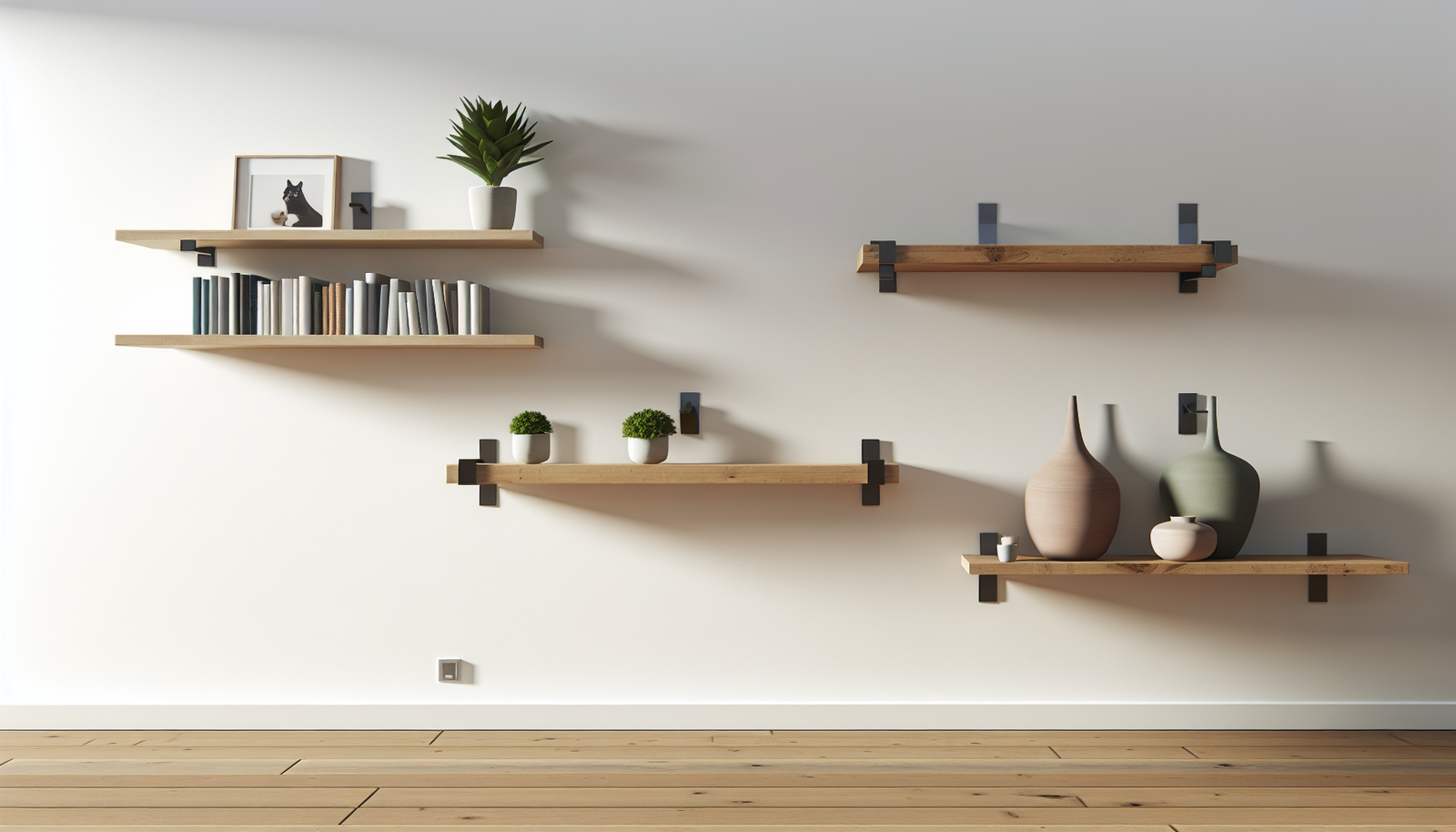
Smart Wall Shelves are more than just a storage solution — they’re a design upgrade that enhances functionality, improves organization, and elevates the atmosphere of any room. Whether you prefer floating shelves, bracket-mounted systems, or IKEA wall shelf solutions, the right shelf can transform your home with minimal effort. This detailed guide explains everything you need to know about selecting Smart Wall Shelves, measuring your space, ensuring load safety, installing shelves properly, and styling them to look professionally designed.
Below, you’ll find a comprehensive breakdown of shelf choices, materials, installation steps, safety tips, and practical styling ideas — all structured to match your original outline while expanding it into a full 2000+ word resource.
Choosing the Right Wall Shelf for Your Space
How to Choose the Right Wall Shelf for Your Space
Selecting Smart Wall Shelves begins with understanding how they will function in your home. Wall shelves can provide decoration, daily convenience, or heavy-duty storage depending on your needs. Your style preference and room type also influence which shelf will suit your wall best.
Common Types of Smart Wall Shelves
Floating Shelves
These provide a clean, minimal look by hiding the internal mounting hardware. They are ideal for living rooms, bedrooms, entryways, and offices where aesthetics matter.Bracketed Wall Shelves
These shelves use visible metal or wooden brackets to support more weight than typical floating shelves. They’re especially useful in kitchens, laundry rooms, garages, and pantries.Ledge Shelves
These shallow Smart Wall Shelves (often 10–12 cm deep) are designed for displaying small frames, candles, and décor without occupying much space.Corner Shelves
Designed to maximize small, unused wall areas — perfect for bathrooms, closets, or nurseries.Modular Wall Shelf Systems
Adjustable systems like IKEA HEJNE or BOAXEL allow customization of height, layout, and load capacity, ideal for long-term household organization.
Materials Used for Smart Wall Shelves
The material of your shelves determines durability, style, and price.
Solid Wood
Supports 30–40 kg when properly mounted.
Long-lasting, strong, and ideal for heavy displays.
Works well for both floating shelves and bracketed systems.
MDF (Medium-Density Fiberboard)
Cheaper, lightweight, and smooth.
Supports around 15–20 kg.
Found often in IKEA LACK floating wall shelves.
Plywood
Strong and warp-resistant.
Holds 25–30 kg.
A great option for custom Smart Wall Shelves.
Metal
Modern look and excellent for kitchens, bathrooms, or contemporary interiors.
Supports 20–40 kg depending on design.
Glass
Stylish but fragile.
Best for lighter items (10–15 kg max).
Understanding Floating Shelves and Wall-Mounted Options
Smart Wall Shelves fall into two main structural categories: floating shelves and bracket-mounted shelves. Both serve different purposes and aesthetic preferences.
Floating Shelves
Floating Smart Wall Shelves use concealed internal supports that make them appear to “float.” These are great for rooms where a clean, modern design is preferred.
Pros:
Minimalist style
Hardware is invisible
Perfect for décor displays
Cons:
Lower weight capacity
Requires precise installation
Difficult to repair if damaged
Bracketed Wall Shelves
Bracket-mounted shelves use visible support hardware, offering excellent stability and load capabilities.
Pros:
Supports heavy loads
Easy to reposition
Compatible with many shelf materials
Cons:
Visible brackets may affect room design
Requires accurate spacing for multiple shelves
Which One to Choose?
Pick floating Smart Wall Shelves for living rooms, bedrooms, or decorative displays.
Choose bracketed shelves for kitchens, pantries, workshops, and book storage.
Measuring and Preparing for Installation
Proper measurements ensure your Smart Wall Shelves look attractive and remain secure.
Choosing the Right Height
Above a desk: 45–60 cm clearance
Gallery display height: 120–150 cm from floor
Above sofas or beds: 20–30 cm above furniture
Measuring Shelf Length and Depth
Standard lengths: 60–180 cm
Depth for books: 20–25 cm
Depth for décor: 12–20 cm
Avoid blocking switches, outlets, or door frames
Shelf Spacing
If installing multiple Smart Wall Shelves:
Use 30–40 cm vertical space between shelves for books or medium décor
For lighter décor, 20–25 cm may be enough
Keep spacing consistent for a clean layout
Locating Wall Studs
Studs provide the strongest support.
Use a stud finder
Look near outlets (usually attached to studs)
Stud spacing is typically 40 cm (16 inches) in modern homes
If studs are unavailable in your desired placement:
Use heavy-duty wall anchors
Toggle bolts, molly bolts, or masonry screws for concrete/brick
Wall Types and Anchors
Your wall type determines the correct installation method for your Smart Wall Shelves.
Drywall
Requires toggle or molly bolts
Holds 20–50 lbs depending on anchor type
Plaster
Stronger than drywall but unpredictable
Use heavy-duty toggles
Concrete or Brick
Use masonry anchors or concrete screws
Can hold up to 100 lbs, depending on shelf type
Choose anchors that match your shelf’s load requirements — especially for deeper or heavier Smart Wall Shelves.
Step-by-Step Installation and Load Safety
Installing a Floating Wall Shelf
Gather tools: drill, level, stud finder, anchors, screws.
Hold the internal shelf bracket against the wall.
Mark drill points and check horizontal alignment.
Locate studs or use appropriate anchors.
Drill pilot holes using manufacturer-recommended bit sizes.
Attach bracket securely.
Slide the shelf over the hidden bracket rods.
Tighten set screws to lock shelf in place.
Test gently for stability.
Installing a Bracketed Wall Shelf
Position brackets where the shelf will sit.
Use a level to align both brackets horizontally.
Mark screw placements.
Drill pilot holes into studs or install anchors.
Secure brackets firmly.
Place shelf board on top and attach with screws underneath.
Check for wobbling and tighten if necessary.
Common Installation Problems & Solutions
Shelf is not level
Loosen screws, reposition, and retighten.
Wall anchor spins in drywall
Replace with a toggle bolt or move shelf slightly.
Drilling hits metal or wiring
Stop immediately.
Move installation location.
Shelf sags over time
Reduce load or add an extra bracket.
Ensure Smart Wall Shelves are suited for intended weight.
Styling Organically and Maintaining Your Shelves
Smart Wall Shelves are functional, but their real value comes from how they transform a space visually. Styling shelves correctly makes your wall look curated and professionally designed.
Shelf Styling Principles
Balance Visual Weight
Spread heavier items across the shelf
Avoid one side looking overloaded
Group in Odd Numbers
Sets of 3 or 5 look natural and intentional
Use the Rule of Thirds
Divide your shelf visually to create appealing arrangement sections
Mix Textures
Combine:
Books
Plants
Glass
Metal décor
Wooden accents
Ceramics
Baskets
Vary Heights and Depth
Combine tall vases with shorter décor
Stack books horizontally with an ornament on top
Lean frames behind objects
Room-by-Room Styling Ideas
Living Room
Floating Smart Wall Shelves with frames and small plants
Combine books and candles for ambiance
Kitchen
Bracketed shelves with jars, spices, mugs
Add small greenery to break symmetry
Bathroom
Waterproof MDF shelves with towels, lotions, small baskets
Home Office
Combination of functional storage and aesthetic décor
Use shelf space for speakers, organizers, books
Nursery
Rounded-edge MDF or wood shelves for toys and picture books
Maintenance Tips
To keep Smart Wall Shelves looking great:
Dust regularly with microfiber
Wipe glass or metal with mild soap
Tighten screws every 6–12 months
Repaint or touch up wood when needed
Replace wall anchors if shelf shifts over time
Conclusions
Smart Wall Shelves offer an excellent way to combine storage, decoration, and smart space planning. By selecting the right shelf type, measuring correctly, choosing the appropriate anchors, and following proper installation steps, you can create safe, beautiful, and long-lasting wall storage solutions.
Whether you’re installing IKEA floating shelves, custom wooden shelves, or metal wall systems, this guide ensures you get strong, attractive results that elevate your entire space.
How to Install Wall-Mounted Shelves — step-by-step guide: https://www.thisoldhouse.com/storage-organization/21016368/how-to-install-wall-mounted-shelves