

Table of Contents
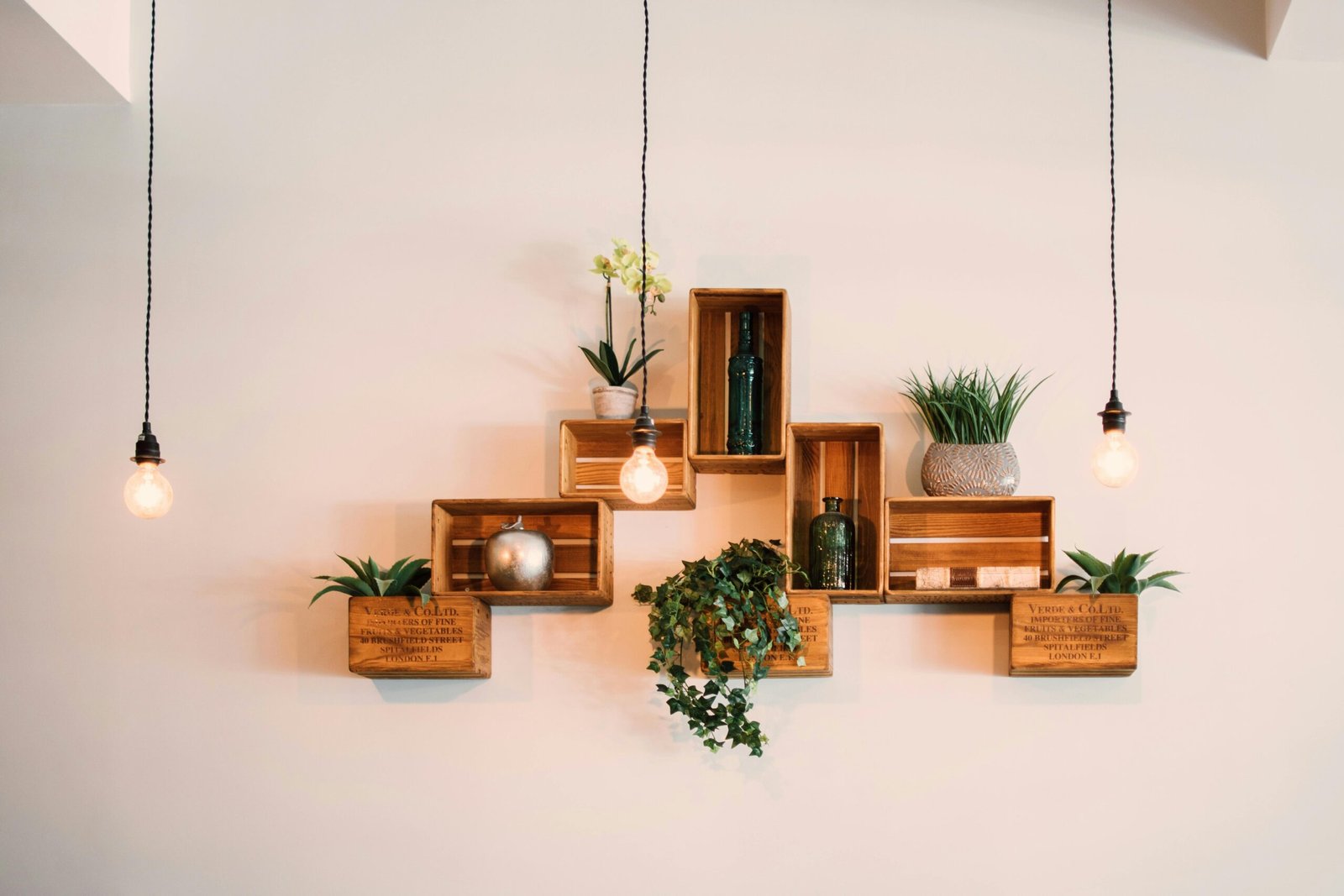
Wall shelves floating and bracketed options are versatile storage and display solutions that combine functionality with visual appeal. Whether you are decorating a living room, organizing a home office, or enhancing a kitchen, wall shelves provide both practical storage and decorative opportunities. This comprehensive guide explores types, materials, installation, weight capacity, styling, and maintenance, helping you select and install the perfect shelves for your home.
Understanding Wall Shelves Floating and Other Types
Selecting the right wall shelves floating solution begins with understanding the main shelf types:
Floating Wall Shelves
Floating shelves attach via hidden brackets for a sleek, minimalist look. Perfect for living rooms, bedrooms, or home offices, these shelves allow you to display books, artwork, or decor without visible supports. Typical weight capacity ranges from 15–50 lbs per shelf, depending on bracket design and wall type. Overloading or improper installation can cause sagging or tilting. For detailed installation instructions, see This Old House guide on floating shelves.
Bracketed Wall Shelves
Bracketed shelves have visible supports, providing higher weight capacity (50–100 lbs per shelf) and enabling bold design statements. They are popular in kitchens, bathrooms, and laundry rooms. Materials include cast iron, steel, or geometric metal brackets that enhance industrial or traditional interiors.
Ledge Shelves
Shallow shelves with a front lip are perfect for photos, spices, or small collectibles. They hold 10–30 lbs and are ideal for children’s rooms or gallery walls.
Cubed and Modular Shelving Systems
Modular units allow customizable open and closed storage. Each cube supports 10–30 lbs, suitable for books, electronics, or baskets. Modular arrangements work well in living rooms, entryways, and offices.
Built-in Recessed Wall Shelves
Custom-installed between studs, recessed shelves integrate seamlessly with walls and support 30–80 lbs. They are excellent for alcoves or small spaces but usually require professional installation.
Choosing the appropriate type affects aesthetics, materials, load capacity, and installation complexity.
Materials, Finishes, and Construction Quality
The material of wall shelves floating or bracketed greatly influences strength, durability, style, and maintenance.
Solid Wood
Hardwoods such as oak, maple, and walnut provide durability and a premium appearance. Price: $20–$40 per linear foot. Can be stained, painted, or sealed. Perfect for living rooms, kitchens, and offices.
Plywood and MDF
Plywood is strong and warp-resistant ($8–$18 per foot), while MDF is affordable ($5–$12 per foot) but not ideal for moist areas. Use low-formaldehyde MDF for safer indoor air quality. Finish edges with paint or laminate for durability.
Metal Shelves
Steel or aluminum shelves are ideal for kitchens, garages, and bathrooms. They resist moisture and support heavier loads ($15–$30 per shelf). Powder-coated finishes prevent corrosion and expand design options.
Glass Shelves
Tempered glass (1/4″–3/8″) creates a high-end aesthetic, especially in bathrooms or display areas. Price: $20–$50 per foot. Requires regular cleaning and secure bracket installation.
Engineered Composites
Particleboard or MDF cores with laminated surfaces are cost-effective, durable, and environmentally friendly when FSC-certified ($7–$15 per foot).
Construction tips:
Use solid cores or laminated edges to prevent sagging.
Reinforce with heavy-duty brackets or welded supports.
Standard shelf thickness: 3/4″ for wood or composites; thicker for longer spans or heavier items.
Measuring, Planning, and Safe Installation
Safe installation is critical for functional wall shelves floating.
Required Tools
Stud finder, level, tape measure, drill
Anchors and screws for wall type
Safety glasses and an assistant for heavy shelves
Installation Steps
Locate studs: Standard spacing is 16″ on center; mark lightly.
Mark shelf positions: Height depends on use—55–65″ for decorative shelves, 48″ for bookshelves, 16–20″ above counters.
Determine support: Minimum two studs for shelves 24″ or longer. Floating brackets: 45–50 lbs per stud; heavy-duty brackets: 100+ lbs.
Drill pilot holes to prevent wood splitting.
Anchor selection:
Wood screws for studs
Toggle bolts for hollow drywall
Molly bolts for moderate weight
Plastic anchors for light decor only
Install brackets and shelves: Verify level. Apply a 25% safety margin.
For professional guidance, see Family Handyman’s Floating Shelf Installation.
Styling and Arranging Wall Shelves Floating
Shelves serve both practical and decorative purposes.
Styling Tips
Mix vertical and horizontal items for balance.
Group items in odd numbers for visual interest.
Use negative space to prevent clutter.
Layer objects like frames, vases, and plants for depth.
Recommended spacing: 10–12″ above furniture, 18–24″ between shelves, 12–18″ for kitchens.
Maximizing Storage
Combine open shelves with storage boxes or baskets.
Use dividers to keep items upright and organized.
Add LED strip lights for enhanced visibility and aesthetic appeal.
See Houzz’s wall shelf ideas for inspiration.
Maintenance, Safety, and DIY Upgrades
Routine Maintenance
Tighten screws and bolts every 3–6 months.
Inspect wall anchors and shelf stability.
Check for sagging; reinforce or redistribute weight as needed.
Cleaning
Wood: Dust weekly; re-oil or wax semi-annually.
Metal: Wipe with microfiber; dry to prevent rust.
Glass: Clean with vinegar-water solution and lint-free cloth.
Safety Tips
Keep fragile or heavy items out of children’s reach.
Use anti-tip straps or earthquake clips in vulnerable areas.
Avoid glass shelves in high-traffic or play areas.
DIY Upgrades
Add hidden L-brackets for extra support under floating shelves.
Use metal mending plates to reinforce sagging boards.
Combine standard and heavy-duty brackets for large shelves.
Refresh finishes with paint, stain, or edge banding for style updates.
Common Mistakes to Avoid
Missing studs, leading to loose or sagging shelves.
Skipping level checks, causing crooked installation.
Using insufficient anchors for shelf type.
Accurate planning, measurements, and high-quality hardware prevent accidents and ensure a polished look.
Conclusion
Selecting the right wall shelves floating type, material, and installation method maximizes storage while enhancing interior design. Floating shelves offer minimalism; bracketed shelves provide higher weight support and bold aesthetics. Always follow load limits, anchor into studs, and maintain shelves periodically. With proper planning, secure installation, and thoughtful styling, wall shelves become both functional and decorative features in any room.
Check out recommended products and installation guides at The Home Depot or Lowe’s.