

Table of Contents
The kitchen has always been the heart of the home, but with technological advancements, it’s no longer just a place to cook. Today, connected kitchens are redefining how we prepare meals, manage appliances, and streamline daily routines. Integrating innovative technology into everyday cooking provides convenience, efficiency, and safety. From intelligent appliances to automated lighting and voice-controlled devices, a modern kitchen enhances every aspect of home life.
In this guide, we explore everything you need to know about creating and optimizing your intelligent kitchen, the benefits of smart appliances, and how technology can transform meal preparation and kitchen management.
What Is a Modern Connected Kitchen?
A connected kitchen refers to a space equipped with appliances, gadgets, and systems that communicate with each other or the internet to improve functionality and convenience. Devices often include smart ovens, refrigerators, coffee makers, dishwashers, lighting systems, and voice-controlled assistants.
The goal is to save time, reduce waste, improve efficiency, and create a more enjoyable cooking experience. Experts note that smart home technology adoption is growing, with kitchens being a primary focus (CNET).
Key Components of a Modern Kitchen
1. Intelligent Appliances
These devices use Wi-Fi or Bluetooth connectivity to allow remote control, monitoring, and automation.
Smart Refrigerators: Track inventory, suggest recipes, and manage temperature.
Smart Ovens & Cooktops: Offer remote preheating, automatic cooking modes, and app-based control.
Smart Dishwashers: Optimize water and energy while notifying when cycles are complete.
Smart Coffee Makers: Brew on schedule or via voice commands.
Smart appliances improve efficiency and can reduce energy consumption by up to 20% (Energy.gov).
2. Voice-Controlled Devices
Voice assistants like Alexa, Google Assistant, and Siri simplify kitchen tasks:
Set timers and reminders
Control appliances hands-free
Access recipes or measurement conversions
Play music or podcasts while cooking
Integrating voice assistants enhances safety and convenience (TechRadar).
3. Automated Lighting
Smart lighting systems adjust brightness and color temperature for different kitchen tasks. Benefits include:
Motion-activated lights
Adjustable brightness for prep and cooking
Voice command control
Proper lighting improves productivity and reduces accidents (HomeDepot).
4. Advanced Storage Solutions
Modern kitchens incorporate smart storage to maintain freshness and organization:
Pantries that track inventory and expiration dates
Automated dispensers for precise measurements
Shelving systems connected to apps for auto-reordering
These systems reduce food waste and save time during meal prep (Wired).
5. Connected Cooking Tools
Digital thermometers, smart scales, and multi-cookers allow precise control over recipes and can connect to apps:
Receive alerts when food reaches the right temperature
Access cooking times and techniques
Track nutritional content for healthier meals
These tools ensure consistent, professional-quality results (Bon Appétit).
Benefits of a Connected Kitchen
Convenience: Control appliances remotely.
Efficiency: Optimize energy and water use.
Safety: Automated alerts prevent burns, spills, and misuse.
Organization: Keep ingredients fresh and accessible.
Customization: Personalized cooking schedules and settings.
Health & Nutrition: Track intake and maintain portion control.
Entertainment: Voice-controlled assistants can play media while cooking.
Studies show that homes with intelligent kitchens experience reduced food waste, better energy management, and more family engagement (Consumer Reports).
Upgrading Your Kitchen: Step-by-Step
Step 1: Assess Your Needs
Identify tasks that consume the most time or create inefficiencies in your current setup.
Step 2: Choose Smart Appliances
Prioritize devices like refrigerators, ovens, and dishwashers that provide the greatest benefit.
Step 3: Add Voice Assistants
Voice control can manage multiple devices and simplify routines.
Step 4: Install Smart Lighting
Motion-sensitive and adjustable lights improve visibility and ambiance.
Step 5: Introduce Smart Storage
Consider automated dispensers, smart shelves, and inventory-tracking solutions.
Step 6: Connect Cooking Tools
Smart scales, thermometers, and multi-cookers improve precision.
Step 7: Utilize Kitchen Apps
Apps help manage recipes, plan meals, and control appliances.
External resources:
Popular Devices for a Modern Kitchen
Smart Refrigerator
Smart Oven
Smart Coffee Maker
Smart Dishwasher
Adjustable Smart Lighting
Digital Thermometers & Scales
Automated Pantry Systems
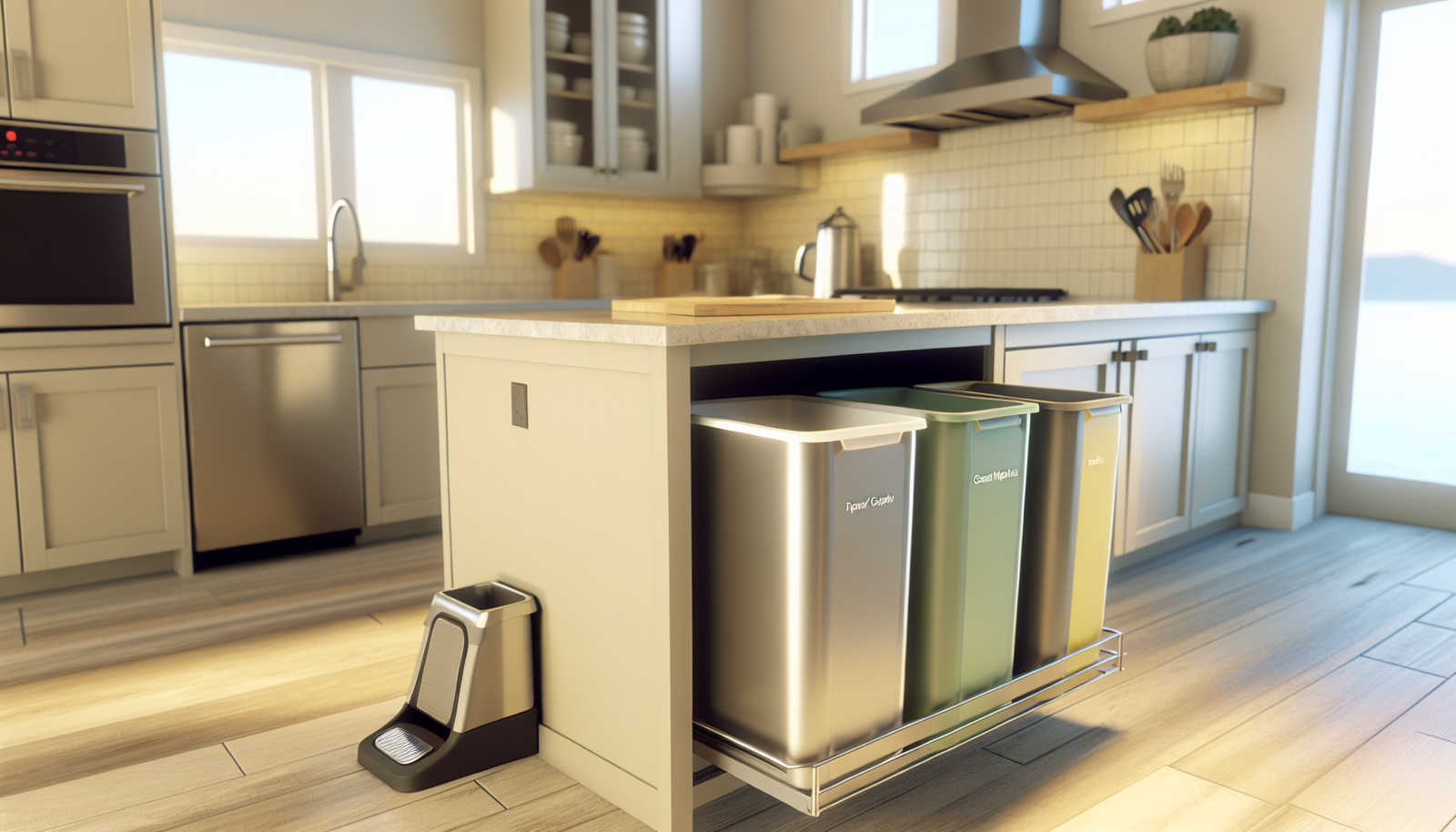
Smart Trash Cans
These devices create a fully functional, tech-driven kitchen environment (Bon Appétit).
Tips for Maximizing Your Smart Kitchen
Centralize Controls: Use a single app or hub.
Keep Devices Updated: Ensure firmware is current.
Monitor Energy Use: Track and optimize consumption.
Integrate Voice Commands: For hands-free cooking.
Plan Zones: Separate prep, cooking, and cleaning areas.
Test Recipes: Use smart devices for consistent results.
Future Trends
AI-powered cooking assistants
Automated grocery management
Fully integrated smart kitchen ecosystems
Remote monitoring for security and efficiency
By 2030, most modern kitchens will include connected appliances as standard (TechRadar).
Benefits for Families and Professionals
Save time and reduce stress in meal preparation
Achieve professional-quality results consistently
Assist seniors or those with mobility challenges
Monitor cooking remotely for busy professionals
Adopting modern kitchen technology improves dietary habits and family engagement (Consumer Reports).
Conclusion
A Smart Kitchen transforms your home by integrating technology into daily cooking, organization, and appliance management. Connected appliances, voice-controlled devices, intelligent lighting, and automated storage improve efficiency, safety, and convenience. Whether for a family, home chef, or busy professional, adopting modern kitchen technology enhances lifestyle, reduces waste, and elevates the cooking experience.
Check price on Amazon.
External References
-
“Smart Kitchen Appliances: Pros, Cons, and Everything In Between” — overview of advantages and disadvantages of smart kitchen tech. Chef’s Icon
“Smart Kitchen Appliances: What Are the Real Benefits?” — breakdown of energy savings, remote control, cooking precision and automation benefits. CATA Appliances Blog
“10 Amazing Benefits of Smart Kitchen Appliances” — article discussing convenience, time savings, and energy efficiency with smart devices. Dumb Switches
“How Smart Kitchens Elevate Home Cooking Efficiency” — explores how connected appliances help with inventory management, remote monitoring, and meal planning. Technologie.org
“Smart Kitchen: Pros and Cons” — discusses both benefits and challenges (cost, privacy, complexity) of smart kitchen appliances. Any Times Journal