

Table of Contents
Plant pots are essential for both plant health and home aesthetics. Choosing the right pot affects water retention, root growth, and the overall look of your indoor and outdoor spaces. From small flower pots to large planters, this guide will help you select materials, sizes, and styles that suit your plants and décor while offering tips for maintenance and sustainable practices.
How to Choose the Right Plant Pot
Selecting the perfect planter requires balancing style, functionality, and the specific needs of your plants.
Size Matters:
Match pot size to your plant’s root system. For small plants, like succulents, choose a pot slightly larger than the existing root ball. Oversized pots can trap excess moisture and cause root rot. For large shrubs or indoor trees, select deep planters that provide enough room for root expansion.
Drainage and Holes:
Drainage is vital. Pots without holes can retain water, leading to unhealthy roots. Many decorative containers work best with an inner nursery pot that has proper drainage. For heavier outdoor planters, adding a gravel layer at the bottom can further prevent waterlogging.
Weight and Mobility:
Ceramic or concrete planters offer stability for tall plants, while plastic pots are lightweight and easy to move. Consider casters or pot feet for heavy outdoor planters to simplify relocation.
Plant Type Guidance:
- Succulents thrive in shallow ceramic pots.
- Ferns and tropical plants prefer glazed pots that retain moisture.
- Bonsai and deep-rooted plants do best in wide, shallow containers or tall planters.
Placement and Aesthetics:
For visual harmony, keep pots around one-third to one-half the height of your plant. Group smaller pots for variety or use a single large planter as a focal point.
Budget Considerations:
Plastic containers are economical but may degrade outdoors. Ceramic, fiberglass, or composite planters cost more but last longer and can enhance your décor.
Indoor Plant Pots and Styling
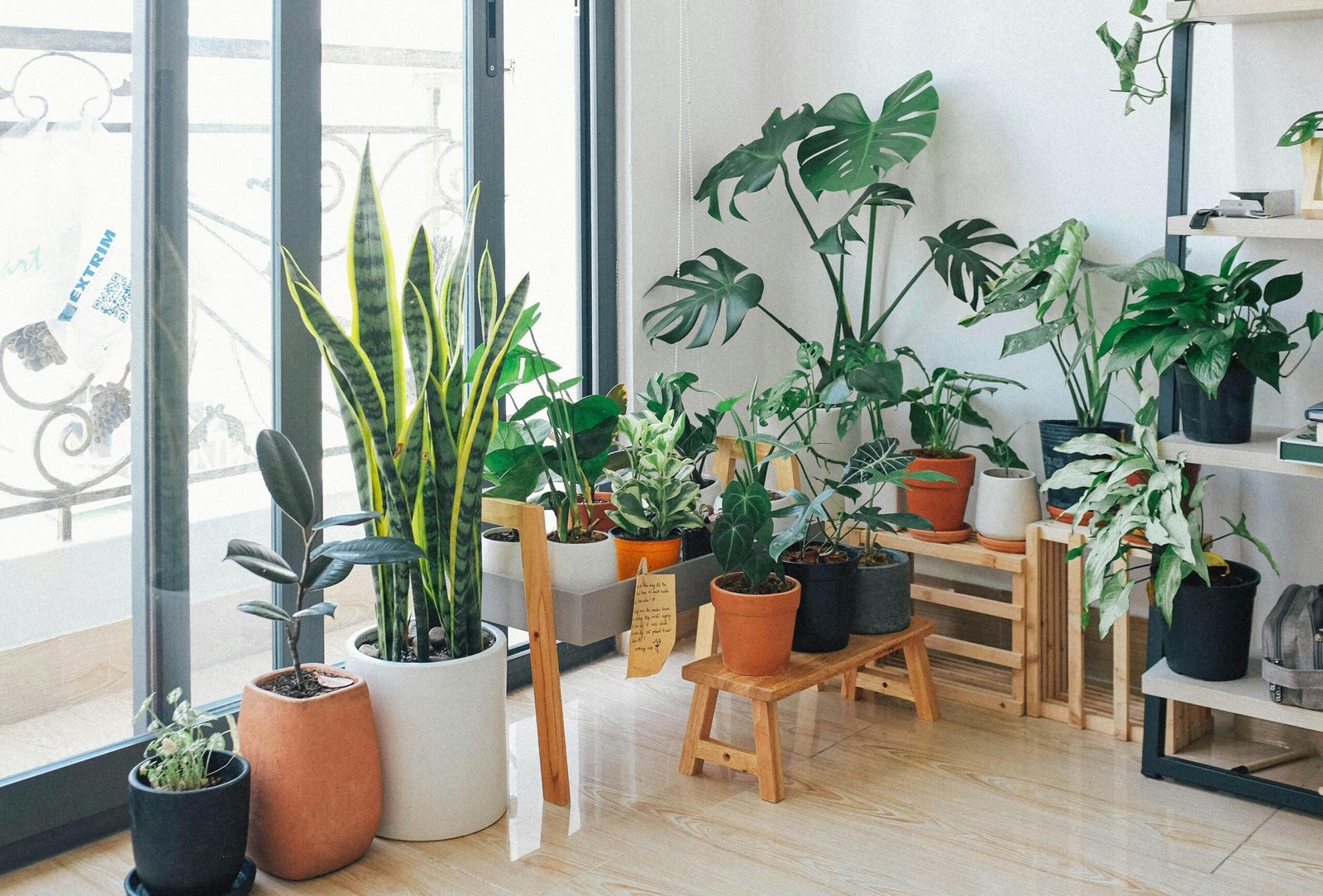
Indoor plant pots combine function and style, ensuring your houseplants remain healthy while complementing your interiors.
Popular Materials:
- Glazed Ceramic: Non-porous, retains moisture, ideal for ferns, peace lilies, and tropical plants.
- Terracotta: Porous, dries quickly, perfect for cacti and drought-tolerant species.
- Plastic and Composite Pots: Lightweight, versatile, and great for shelves or hanging displays.
Drainage Tips:
Use inner pots with drainage holes inside decorative containers to protect furniture. Leave space for water to collect and remove excess regularly.
Design Tips:
- Coordinate pot colors with room décor.
- Mix heights and sizes to create visually appealing arrangements.
- Use small pots on windowsills and large planters in corners for focal points.
Maintenance:
Clean pots quarterly, remove mineral deposits, and reposition plants for optimal light.
Outdoor Pots, Large Planters, and Patio Solutions
Outdoor planters require durability and weather resistance.
Material Recommendations:
- Frost-Proof Ceramic or Concrete: Withstand cold climates.
- Resin or Fiberglass: Lightweight, resistant to cracking, suitable for balconies or patios.
- Metal and Wood: Consider lining or protective coatings for longevity.
Drainage and Elevation:
Ensure drainage holes for all large planters. Elevate pots with bricks or feet to prevent water pooling. Layer soils and mulch for optimal growth.
Planting Strategies:
Combine plants with similar root depths. Use deep planters for small trees or shrubs. For rooftop gardens or weight-sensitive areas, fill the bottom with lightweight aggregates.
Long-Term Care:
- Scrub exteriors seasonally.
- Repair minor cracks with waterproof epoxy.
- Winterize delicate materials with covers or relocation indoors.
Material Guide for Plant Pots
Ceramic: Elegant, moisture-stable, heavy. Best for indoor focal plants.
Terracotta: Affordable, porous, breathable for roots. Ideal for herbs or succulents.
Plastic: Lightweight, durable, budget-friendly. Great for mobility and indoor/outdoor use.
Concrete: Extremely stable and durable, perfect for statement outdoor planters.
Fiberglass: Stylish, lightweight, weather-resistant.
Metal: Long-lasting, industrial look, needs drainage holes.
Wood: Insulating, renewable, natural aesthetic, requires maintenance.
Fabric Grow Bags: Breathable, promotes healthy roots, suitable for movable gardens.
Combining Materials: Use plastic liners inside heavy planters or decorative containers to enhance durability and plant health.
Care, Repotting, and Sustainable Practices
Repotting Tips:
- Repot houseplants every 12–24 months.
- Signs: roots protruding from drainage holes, stunted growth, or water pooling.
- Choose a slightly larger container (1–2 inches bigger) to avoid root rot.
Soil Recommendations:
- Succulents: gritty, well-draining soil with sand or perlite.
- Tropical plants: peat-free compost mixed with aerating material.
- Shrubs: rich compost with slow-release fertilizer.
Watering Guidelines:
Check soil moisture with fingers or tools. Tropical plants need more frequent watering; succulents only when soil is dry. Self-watering pots help maintain consistency.
Cleaning and Disease Prevention:
Sanitize reused pots, remove affected roots, and treat pests with safe solutions like neem oil.
Sustainability:
- Repurpose cracked or old containers.
- Use recycled plastic or certified ceramic.
- Upcycle household containers with drainage holes for eco-friendly planting.
FAQs
Q: Why does my plant wilt after repotting?
A: This is normal transplant shock. Keep in shade and limit watering temporarily.
Q: Is root matting harmful?
A: Yes, tease apart roots before planting in a new container.
Q: How to disinfect a large planter?
A: Use a diluted bleach or vinegar solution, rinse thoroughly, and let dry.
Conclusion
Choosing the right plant pot ensures healthy growth and enhances your space. Indoor pots focus on drainage, weight, and design, while outdoor and large planters emphasize weatherproofing and stability. By selecting the right material, size, and maintaining your pots properly, you can create vibrant, beautiful plant displays that thrive year-round.ny space — indoors or outdoors — into a lush, stylish, and healthy environment.
Check out a curated list of stylish and functional plant pots on Amazon” — https://www.hunker.com/13772044/best-planters-on-amazon