

Table of Contents
From classic leather collars to GPS trackers and training collars, the market offers a wide range of dog collars for identification, safety, and behavior management. Choosing the right dog collar ensures comfort, durability, and functionality for your pet, whether for daily walks, training, or off-leash adventures. This guide explores types, technology, safety guidelines, legal considerations, and tips for selecting the best collar or harness for your dog based on size, age, health, and training goals.
Types of Dog Collars and Their Core Purposes
Dog collars serve multiple purposes depending on the dog’s lifestyle and safety needs. Main types include:
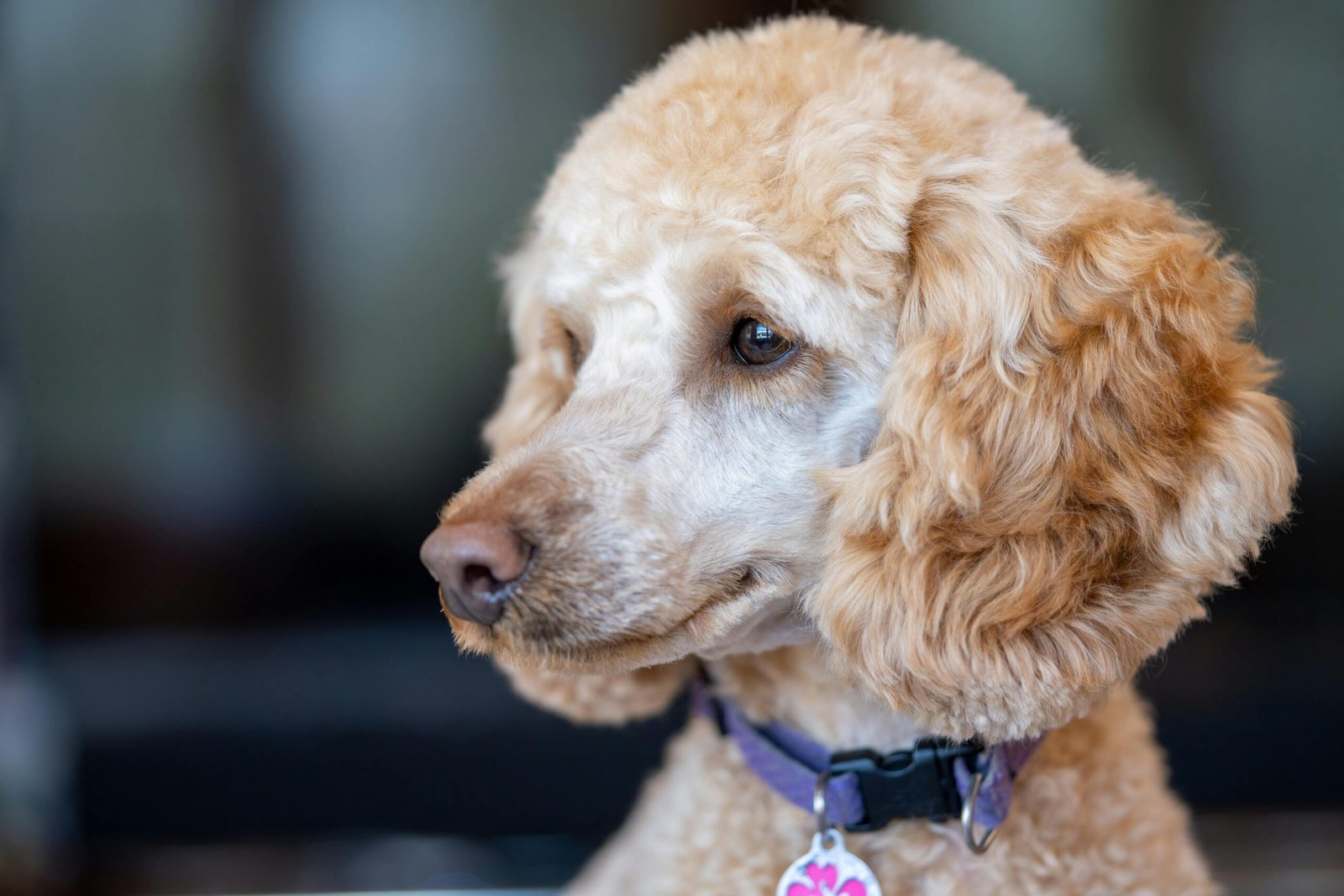
Identification Collars: Lightweight collars that hold ID tags with essential information like the owner’s phone number and pet’s name. Tags should be securely fastened and readable. Nylon or leather is most common.
Flat and Rolled Leather Collars: Ideal for daily wear. Flat collars are adjustable and suitable for most breeds, while rolled leather reduces matting for long-haired dogs.
Small Dog Collars: Designed to be lightweight and comfortable for tiny breeds, often with padded nylon or soft fabric.
Flea Collars: Contain insecticides for pest control. Monitor skin for irritation and avoid overlapping treatments.
Decorative Collars: Fun, seasonal collars like Christmas collars; not for leash attachment or heavy pulling.
Heavy-Duty & Specialty Collars: GPS collars, training collars, arc collars, or Halo collars designed for active dogs or advanced tracking.
Benefits and Limitations of Collars:
Leather Collars: Durable, stylish, and mold to the dog’s neck; require maintenance.
Synthetic Collars: Affordable, waterproof, and available in many designs; may fray over time.
Decorative Collars: Add style but limited functionality; avoid for restraint.
Reference: American Kennel Club: Dog Collars
ID Tag Essentials and Best Practices
A dog collar is only useful for identification if the tag contains correct information:
Pet’s name
Owner’s phone number
Address (optional)
Medical needs
Rabies/license number
Use durable materials like metal for longevity or silicone for lightweight tags. Ensure deep engraving for readability and replace worn or damaged tags immediately.
Sizing and Fit Guidance for Dog Collars
Correct fit is critical for safety and comfort:
Measure your dog’s neck where the collar will sit.
Add 1–2 inches for comfort, especially with thick fur.
Use the two-finger rule: you should fit two fingers under the collar.
Check for signs of chafing, slipping, or restricted breathing.
Tips for Specific Dogs:
Puppies: Adjustable, lightweight collars to allow growth.
Small breeds: Slim, soft collars to protect trachea.
Active dogs: Durable, waterproof, or GPS-enabled collars.
Seniors: Cushioned or breakaway styles for safety.
Training Collars: Safety and Best Practices
Training collars include devices that modify behavior through static correction (shock), vibration, sound, or citronella spray. Dog collars with static correction must be used carefully to avoid stress or injury.
Risks of improper use:
Skin irritation, sores, or burns
Anxiety, fear, or aggression
Poor learning or trust issues
Humane alternatives:
Positive reinforcement (treats, toys)
Vibration-only collars
Clicker training
Remote beep collars
Safe introduction of training collars:
Consult a veterinarian.
Assess current behavior.
Start with the lowest effective intensity.
Limit sessions and monitor stress signals.
Check legal restrictions in your area.
Reference: ASPCA: Dog Training Collars
High-Technology Dog Collars: GPS and Smart Features
Modern dog collars integrate GPS, Bluetooth, and cellular technology to improve safety and tracking:
Off-leash tracking
Virtual boundary geofences
Lost-dog recovery
Training cue integrations
Key considerations:
Battery life
Update frequency and GPS accuracy
Subscription requirements
Waterproofing and weight
Premium collars like Garmin, Fi, Halo, and Arc combine tracking with gentle cues, while traditional RF fences provide static containment but are less portable.
Daily Gear: Leashes, Harnesses, and Accessories
Dog collars are complemented by leashes and harnesses:
Leash Types:
Standard leash (4–6 ft)
Retractable leash
Training leash/long line
Hands-free leash
Traffic lead (1–2 ft)
Harness Types:
Back-clip harness: Easy for casual walks.
Front-clip harness: Reduces pulling.
No-pull harness: For strong pullers.
Escape-proof harness: Prevents slipping out.
Harnesses help protect the dog’s neck, especially for small breeds or those with tracheal issues.
Flea collars provide parasite control but must match your dog’s age and weight. Monitor for side effects like skin irritation.
Reference: PetMD: Dog Harnesses and Collars
Selecting the Best Collar for Your Dog
When choosing a dog collar, consider:
Identification needs
Training objectives
Tracking requirements
Comfort and material
Health and medical concerns
Recommendations by dog profile:
Puppies: Adjustable nylon or H-style harnesses
Small Dogs: Rolled leather or padded collars
Large Breeds: Sturdy, durable collars with GPS
Escape Artists: Martingale or Halo collars
Sensitive Skin: Hypoallergenic leather collars
Working Dogs: Waterproof and durable collars with tracking
Collar & Harness Maintenance Checklist
Daily: Check fit and skin for irritation.
Weekly: Clean fabric or leather, check tags and buckles.
Monthly: Replace worn tags, inspect stitching, and recharge batteries.
Troubleshooting:
Chafing: Adjust fit or try padded collars
Leash pulling: Use front-clip harnesses
Collar slipping: Re-measure and choose proper size
GPS errors: Update firmware and check placement
Legal and Ethical Considerations
Static or shock collars are restricted in some regions.
Positive reinforcement is preferred for humane training.
Always supervise use of any training device.
Reference: RSPCA: Dog Training Tools
Conclusion
Selecting the right dog collar balances safety, comfort, and function. Leather, nylon, GPS-enabled, or training collars all have distinct uses, but careful sizing, monitoring, and humane practices ensure your dog’s well-being. Regular inspections, proper fit, and attention to technology or flea prevention keep your dog safe, comfortable, and well-behaved. With informed choices, collars and harnesses become essential tools for everyday care and training.
External Resources: