

Table of Contents
Glass jars, including mason jars and dedicated kitchen storage jars, are versatile, sustainable and visually appealing storage solutions. This article explores the benefits of glass, the common types and sizes, safe canning and sterilization practices, pantry and fridge organization strategies, and how to choose and care for jars to get the most from them in everyday kitchen use.
Why glass jars make sense in the kitchen
Non-porous and flavor-neutral
Glass jars are renowned for their non-porous, flavor-neutral surfaces—qualities that set them apart from plastic containers. Unlike plastic, which can absorb and retain odors from strong-smelling foods like garlic or curry, glass resists both odor and stain absorption. This ensures that glass storage jars such as mason jars don’t pass lingering flavors from one batch of food to the next. More importantly, glass is free from potentially harmful chemicals often found in some plastics, like BPA, so there’s no risk of leaching. This preserves your food’s taste and purity, making glass jars for kitchen use a clear choice for flavor-sensitive ingredients like coffee beans or spices.
Visibility and inventory management
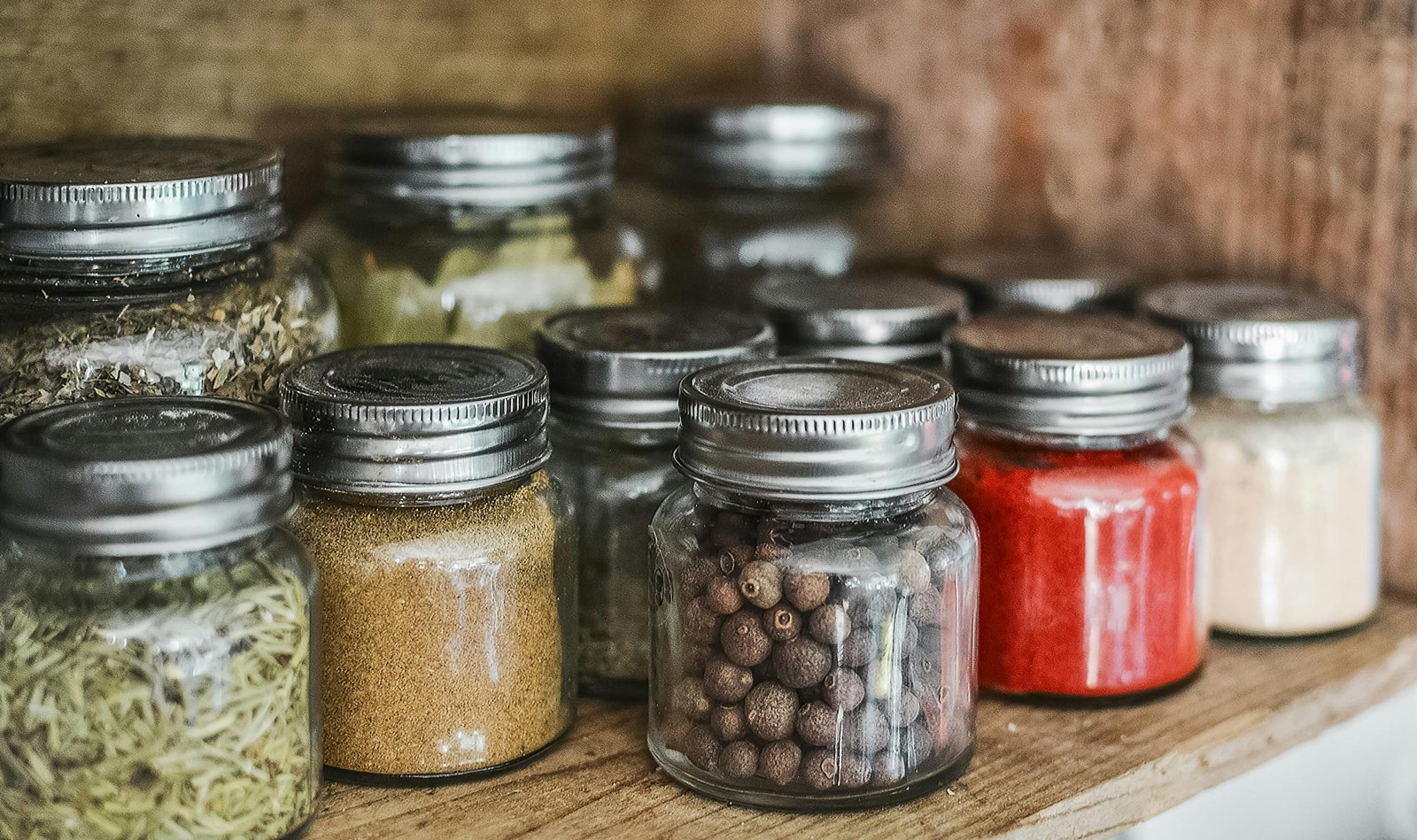
Clear glass jars transform pantry organization with jars into a visual experience. The transparent walls allow you to instantly assess your stock—no need to open lids or dig through cabinets to check rice, flour, or pasta levels. This immediate visibility prevents food waste by letting you spot items before they expire and plan meals more efficiently. When prepping meals, grabbing exactly the right ingredient is both quicker and more satisfying when using reusable kitchen jars that double as a visual menu.
Sustainability and recyclability
Opting for sustainable kitchen storage means considering not just durability, but the whole life cycle of materials. Glass storage jars last for years, don’t degrade with repeated washes, and can be endlessly recycled without loss of quality. Reusing a mason jar or glass container reduces reliance on single-use plastic and supports an eco-conscious kitchen. Discarded or broken glass jars are easily recycled, whereas many plastics never leave the landfill.
Food safety and temperature tolerance
Durable, heat-resistant glass is ideal for both canning and cold storage. Unlike plastics, glass jars can withstand sterilization in boiling water and the high temperatures of a dishwasher. They’re perfect for canning jams or pickles and safe for storing hot soups or chilled salads. However, always avoid rapid temperature shifts—placing a hot jar straight into the fridge, for example—which can result in thermal shock and potential breakage.
Versatility
Glass jars excel at storing a wide range of foods:
- Dry goods: rice, beans, seeds
- Spices and baking ingredients
- Liquids: broths, homemade salad dressings
- Ferments: kimchi, sauerkraut, kombucha
- Ready-to-serve: overnight oats, layered salads
They double as serveware for beverages and desserts, making them a staple for both storage and presentation.
- Glass recommended for: Long-term pantry staples, acidic foods, fresh ferments, BPA free storage, and foods requiring visible inventory.
- Plastic or metal better for: Transporting meals outdoors, lightweight snack boxes, or situations with a high risk of being dropped.
Understanding why glass jars make sense paves the way for mastering the different types, sizes, and lid systems appropriate for every kitchen storage need.
Understanding types sizes and lid systems
- Jar types:
- Mason jars are defined by their iconic shoulders and versatile thread patterns. They’re the gold standard for home canning and are widely available in both regular and wide mouth forms. Mason jar sizes make them perfect for everything from storing bulk grains to fermenting vegetables.
- Weck jars from Germany feature thick glass, straight sides, and glass lids clamped on with stainless steel clips and a rubber gasket. Prized for a modern look and reusable lids, they’re often chosen for storing dry goods or specialties like yogurt.
- Kilner jars have a heritage look, usually with rounded bodies and a glass rim, sealed with a rubber gasket and a metal screw or clasp. They’re a favorite for jams and preserving, as well as gifting due to their vintage charm.
- Swing-top jars use a hinged metal clamp system attached to a glass or ceramic lid with a silicone or rubber gasket, ensuring a tight seal. These are ideal for airtight glass jars to keep dry foods, coffee, loose-leaf tea or even homemade condiments fresh.
- Apothecary jars make a visual impact with wide glass stoppers or corks. Less about practicality, more about style—great for dry pantry displays or bath salts.
- Specialty wide-mouth jars cater to large or awkward foods: think pickles, salads, or layered desserts. Their straight sides and oversized mouths make filling and cleaning far easier.
- Common sizes and conversions:
Before you buy glass jars online, check these typical kitchen jar sizes with equivalent measures:- 4 oz (1/2 cup, ~120 ml): spice blends, sauces
- 8 oz/half-pint (1 cup, ~240 ml): jams, leftover vinaigrettes
- 12 oz (1.5 cups, ~355 ml): salsas, chutneys
- 16 oz/pint (2 cups, ~475 ml): grains, homemade yogurt
- 32 oz/quart (4 cups, ~950 ml): flour, beans, pickles
- Lid and seal types:
- Two-piece canning lids explained: flat metal disc plus screw band; best for safe canning and vacuum seals, but only the disc is single-use for canning.
- Single-piece screw lids: convenient for leftovers and dry storage, decent seal but typically not canning-safe.
- Rubber gasket clamps (Kilner, Weck, swing-top): truly airtight glass jars, excellent for dry goods and liquids. Gaskets eventually degrade; check before reusing.
- Silicone stoppers or corks: great for apothecary jars but not always fully airtight and vulnerable to aroma transfer.
- Wide mouth vs regular mouth:
- Wide mouth jars excel for chunky produce, layering, pouring chunky liquids, and easy cleaning—especially important if reusing for different foods.
- Regular mouth jars are best for liquids and pourable foods, or where a tight, spill-resistant fit is key (e.g., canning).
- Consider kitchen tasks: wide mouth for meal prep, regular mouth for smoother liquids or small portions.
- Material and manufacturing notes:
- Tempered glass is much stronger against temperature swings and bumps—ideal for canning and frequent handling.
- Annealed glass (standard in budget jars) is perfectly suited for dry storage but can crack if exposed to quick temperature changes or drops.
- Check product descriptions for “tempered” rating when buying if you plan on boiling, freezing, or heavy use. Inspect for bubble-free construction and clear manufacturing standards.
Use this foundation to match your needs—whether you’re scaling up pantry organization or seeking the best canning lids explained—with confidence. Next, you’ll learn how to safely prep jars for canning and long-term storage to keep your preserves fresh and your kitchen running smoothly.
Safe canning sterilization and storage best practices
When to use mason jars for canning
Home canning jars—specifically mason jars—are essential for safe food preservation, but not every food is suitable for the same process. Use a pressure canner—never water bath canning, as serious safety risks (including botulism) can occur. For low-acid foods such as vegetables, meats, and some sauces, always follow USDA or your local extension office’s official canning guidelines and use a pressure canner—never water bath canning, as serious safety risks (including botulism) can occur. If you’re new to how to can at home, trusted source recipes and processing instructions are vital canning safety tips.
Sterilization methods
Sterilize mason jars before canning to reduce contamination risk. Here are the most reliable methods:
- Boiling-water canner: Place empty jars (upright) in canner, cover with at least 1 inch water. Boil for a minimum of 10 minutes (longer at high altitudes). Keep hot until use.
- Hot-water bath filling: Jars washed in hot, soapy water, then filled with hot food and processed according to the recipe time. Sterilizing with boiling not always required if process time exceeds 10 minutes—check official instructions.
- Dishwasher or oven: Wash jars in the hottest cycle and fill immediately while hot (not a replacement for proper processing). Do not oven-sterilize—glass may shatter. Always confirm with up-to-date canning guides.
Never reuse metal lids for canning—use new ones every time to ensure a safe seal.
Sealing and processing
Mason jars use a two-piece lid: flat metal disc and screw band. After filling, wipe rim, center lid, and tighten band finger-tip tight. During processing, heat causes air to escape; when cooled, a vacuum forms, sealing the lid. After cooling 12–24 hours, test seals—press the center of each lid. It should not pop up and down. If unsealed, refrigerate and use promptly. Never attempt to reprocess failed seals for foods at risk; follow canning safety tips.
Storage times and labeling
Shelf life of canned goods varies:
- High-acid foods: up to 1 year
- Low-acid: 2–5 years if processed properly, but use within 1 year for best quality
Label each jar with date and contents. For easy rotation, store newest jars at the back and use oldest first. Check jars regularly for signs of spoilage, bulging lids, or off smells.
Fridge and freezer uses
Mason jars also excel for fridge and freezer storage. For freezing:
- Leave at least 1 inch headspace so liquids can expand safely
- Choose straight-sided jars (without “shoulders”) to minimize cracking risk
- Avoid freezer unless the jar is specifically marked “freezer-safe”—thermal shock can break standard glass
Always inspect jars after freezing and thaw slowly in the refrigerator to avoid cracks.
Regularly checking your home canning jars for safety and quality creates a reliable pantry. Next, discover how these versatile jars streamline day-to-day kitchen organization and styling for a tidy, inviting kitchen.
Organizing styling and everyday uses in pantry and fridge
- Pantry systems: Glass jars make pantry organization with jars both functional and elegant. Store flour, sugar, oats, rice, and snacks in dedicated jars, portioned by frequency of use. For baking, cluster ingredients like baking soda, chocolate chips, and sprinkles in smaller jars for a “baking corner”; for grains, create rows of tall jars for rice, quinoa, and pasta. Snack stations with mason jars keep nuts, dried fruit, and granola easy to grab. Stackable jars or those with squared edges save precious shelf space. Use measuring marks or etched lines to make portioning and meal prep a breeze.
- Labeling and inventory methods: Keep your glass jar meal prep organized with labels that last. Invest in chalkboard paint labels for erasability, printed waterproof stickers for permanence, or clip-on tags for quick swaps. Always note the content, date opened, and use-by date. Implement a “first in, first out” rotation: older jars upfront, new ones behind. This keeps your jarred inventory fresh and waste low.
- Fridge-ready uses: Mason jar meals are perfect for prepping salads (layer dressing at the bottom, greens at the top), homemade dressings, overnight oats, and yogurt parfaits. Glass jars also excel at storing infused oils and quick pickles—just remember most quick pickles last up to one week refrigerated. Use leakproof lids for transport and stack jars to make the most of fridge shelves.
- Display and aesthetics: Showcase jars of varying sizes for visual interest on open shelves—blend tall grain jars with petite spice or snack jars. Arrange by color or fill type for a photography-ready look. Consider shelf backgrounds in wood or white, and if displaying for guests, small string lights within or behind jars can highlight contents beautifully.
- Practical hacks: Reserve smaller jars for portion control of snacks or leftovers, and repurpose spare jars as on-the-go salad or soup containers—simply tighten the lid for a travel-safe lunch. Jars with pour spout lids store grains, syrups, and dressings mess-free. Old glass jars can double as measuring cups, drinking glasses, or mini-planters for kitchen herbs.
-
- Example setups:
- Breakfast jar station: Oats, chia, dried fruit, and nuts grouped for speedy mornings.
- Baking essentials shelf: All baking add-ins in one grab-and-go zone.
- Lunch prep row: Salads, soups, and dressings ready in the fridge.
- Herb planter window: Retired jars for kitchen herbs on a sunny sill.
- Spice wall: Matching mini jars neatly lined on magnetic strips.
- Kids’ snack bar: Clear jars for portioned snacks with erasable labels.
- Quick pickle fridge zone: Assorted veggies ready for weeknight meals.
- Coffee & tea counter: Whole beans, sweeteners, and teas stacked attractively.
- Pasta night station: Jarred sauces and dried pasta beside prep tools.
- Infused oil and nuts shelf: Glass jars holding oils, flavored vinegars, and roasted snacks.
- Example setups:
Kitchen storage ideas become much more efficient, stylish, and sustainable when you master organizing with glass jars. As you refine your system, the next step is understanding which jars best fit your needs and how to care for them—ensuring your investment will serve you for years.
How to choose maintain and buy the best jars
Choosing and maintaining the best glass jars ensures your kitchen stays organized, food stays fresh, and your jars last for years. Before you buy, use this handy checklist:
-
-
- Intended Use: Will you can, freeze, store dry goods, or display? Opt for canning-rated jars for preserves; airtight lids for pantry staples; wide-mouth jars for easy access.
- Size: Do you need 4oz for spices, 16oz for leftovers, or larger 32oz jars for flour? Mix sizes for flexibility.
- Mouth Type: Wide-mouth jars suit scooping and cleaning; regular-mouth are best for pouring liquids or storing smaller items.
- Lid System: Look for rust-resistant metal rings, silicone gaskets for a leakproof seal, or one-piece lids for non-canning storage.
- Stackability: Flat-lid stackable designs minimize shelf space, especially in the pantry or fridge.
- Budget: Decide if you’ll buy a single set or in bulk. Value often improves with multi-packs without compromising quality.
-
Durability matters. Look for thick, temper-resistant glass and jars that are freezer- and dishwasher-safe. Established brands like Ball, Kilner, and Weck have reputations for longevity. Check product descriptions for warranty information, and read third-party reviews—these often spot issues like leaky lids or glass clouding over time.
To keep jars looking and smelling fresh:
-
-
- Dishwasher Safe: Most jars are, but always check manufacturer guidance. Lids and gaskets often last longer if washed by hand.
- Handwashing: Use a bottle brush, gentle detergent, and avoid abrasives on glass or metal.
- Stain or Odor Removal: Soak jars in diluted baking soda overnight; sun-dry to dispel odors. Replace any rusted lids or warped gaskets promptly for a tight seal.
-
Where to buy?
-
-
- Check online marketplaces with terms like best mason jars 2025, buy glass storage jars, or airtight mason jars for current trends and deals.
- Visit local kitchenware stores to inspect jars firsthand, or shop in bulk for lower cost per jar (especially for large pantries or event prep).
-
Cost, value, and sustainability: Quality jars can last decades if cared for. Glass is endlessly recyclable, so recycle safely if jars break. Old jars can be repurposed as vases, organizers, or candle holders. Replace only lids and rings when worn, instead of the whole jar, to reduce waste.
FAQ
-
-
- Can glass jars handle temperature changes? Avoid exposing cold jars to boiling liquids or vice versa to prevent cracking (thermal shock).
- Can I reuse lids for canning? For safe canning, always use new two-piece lids; however, reusable gasket systems (like Weck) are designed for repeated use.
- Are glass jars leakproof for liquids? Jars with silicone or rubber gaskets provide the tightest seal but check for “airtight” claims in product specs.
- How do I replace a lost lid or gasket? Many brands sell replacement parts—match the model and mouth size to ensure a secure fit.
-
By choosing quality jars, practicing smart care, and buying thoughtfully, you’re investing in sustainable kitchen storage that’s practical and stylish—bringing together the pantry organization, meal prep, and visual appeal described throughout this guide.
Conclusions
Glass jars and mason jars offer durable, safe and sustainable storage for everything from dry goods to preserved jams. By understanding jar types, proper sterilization and practical organization techniques you maximize freshness and reduce waste. Choose jars that match your kitchen habits, maintain them well, and use labeling and portioning systems to streamline meal prep. Small investments in quality jars pay back in utility and aesthetics.