

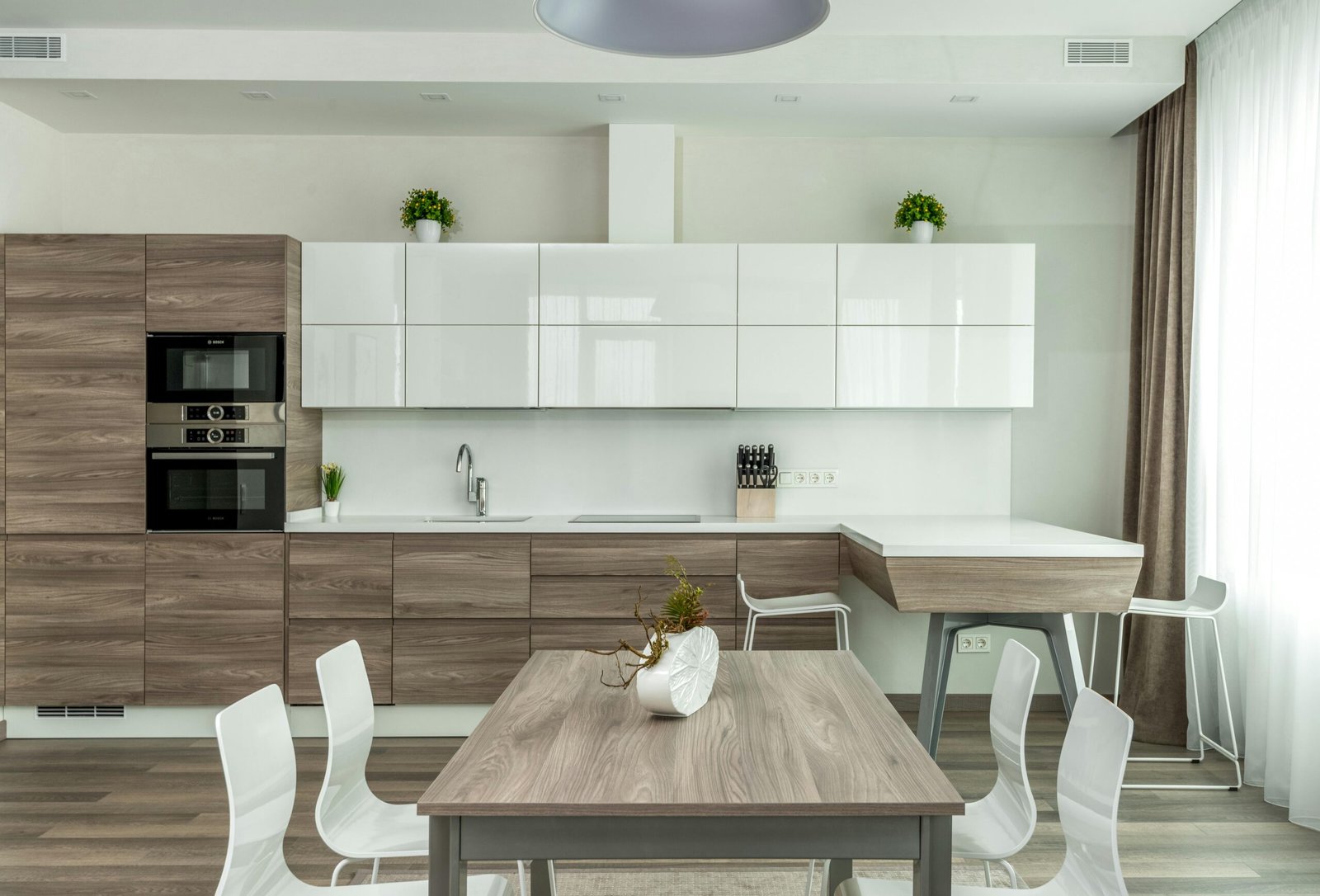
Choosing the right Kitchen Tables and Chairs transforms your kitchen from a simple cooking area into a welcoming hub for dining, family gatherings, and socializing. Whether you’re outfitting a small breakfast nook, an expansive dining space, or a multifunctional kitchen island, the right table and chairs set balances comfort, style, and practicality. This guide explores sizing, layout, materials, finishes, chair pairing, and multifunctional solutions, while providing actionable tips on buying, styling, and maintenance.
Table of Contents
Sizing and Layout for Kitchen Tables and Chairs
Proper sizing and layout are crucial for a functional kitchen. A cramped dining area can hinder movement, while an oversized table overwhelms a small kitchen. With Kitchen Tables and Chairs, measure carefully to ensure comfort and accessibility.
Measuring Your Space
Measure the room’s length and width in inches and account for cabinets, islands, and architectural features.
Allow at least 36 inches for walkways behind chairs.
Keep 24–42 inches between the table and any obstruction to provide legroom and seating comfort.
For islands or breakfast bars, leave at least 36 inches around the island for movement.
Choosing Table Shape and Size
Small Rectangular/Square Tables: 36×36 inches (seats 2–4), ideal for tight spaces or small kitchens.
Round Tables: 36–48 inches diameter, ideal for kitchens with limited corners, promoting easy circulation.
Expandable/Extendable Tables: Perfect for occasional guests, allowing compact daily use.
Tip: Use painter’s tape or cardboard to visualize the table footprint before purchasing. This ensures your Kitchen Tables and Chairs will fit comfortably without blocking pathways.
Learn more about table sizing and layout
Material and Finish Options
The material and finish of your Kitchen Tables and Chairs determine durability, style, and maintenance needs.
Solid Hardwood
Oak, maple, and walnut are common hardwoods. They are durable, long-lasting, and can be refinished multiple times. Hardwoods may expand or contract with humidity. Consider finishes:
Oil Finish: Highlights grain, requires periodic re-oiling.
Polyurethane: Tough, moisture-resistant, and low-maintenance.
Engineered Wood and Veneers
Budget-friendly and stable, veneer tables resist warping. Choose thicker veneers for durability and inspect seams.
Painted and Stained Surfaces
A black kitchen table is a trendy choice. Satin or matte finishes resist scratches, while painted tables need gentle cleaning.
Metal, Glass, and Mixed Materials
Ideal for industrial or modern kitchens. Metal frames offer strength; tempered glass tops are easy to clean but may show fingerprints.
Guide to Choosing the Right Material
Chairs: Matching Comfort with Style
Selecting chairs for your Kitchen Tables and Chairs is as important as choosing the table. Comfort, ergonomics, and aesthetics all play a role.
Ergonomic Guidelines
Standard seat height: 18–19 inches for a 30-inch table.
Seat depth: 16–18 inches; width: 16–20 inches.
Allow 24 inches per person at the table edge.
Chair Styles
Side Chairs: Versatile, lightweight, and easy to move.
Spindle/Ladderback: Classic farmhouse style with sturdy support.
Modern/Molded: Sleek and easy to clean, may feel less cozy.
Benches: Ideal for small kitchens or islands, save space.
Stools: For islands; counter-height (24–26 inches), bar-height (28–30 inches).
Mix and match finishes carefully to maintain a cohesive look. For example, a black table pairs well with natural wood chairs or metal-accented stools.
Learn about choosing dining chairs
Island Tables and Multifunctional Solutions
Kitchen islands double as prep areas, dining surfaces, and storage units. A freestanding island table combines the functions of a small kitchen table with flexibility in placement.
Benefits:
Extra prep space for cooking or baking.
Casual seating for meals, homework, or entertaining.
Built-in storage for utensils, dishes, or cookbooks.
Appliance integration like wine fridges or microwaves in fixed islands.
Measurements for Functionality:
Width: 24–48 inches.
Depth: 24–36 inches.
Overhang for seating: 10–15 inches.
Clearance: 36–48 inches behind chairs/stools.
Tips for Multifunctionality:
Drop-leaf extensions for extra seating.
Built-in drawers and shelves.
Wine racks or hidden outlets.
Integration with sinks or induction hobs.
Buying, Styling, and Maintenance Checklist
Buying
Measure your space accurately.
Determine material: wood, black finish, or mixed materials.
Select chair style and check seat height for ergonomics.
Set a realistic budget considering delivery and assembly.
Styling
Use rugs to anchor tables; round rugs for round tables, rectangular rugs for rectangular tables.
Lighting: Hang pendants 30–36 inches above the tabletop.
Accessories: Simple vases, candles, or low centerpieces.
Maintenance
Daily: Wipe surfaces with a damp cloth.
Weekly: Mild soap for wood, clean joints on chairs.
Annually: Re-oil wood, check hardware, inspect finishes.
Quick Repairs: Touch up scratches with wax sticks or paint; avoid sanding unless refinishing entirely.
Styling Tips for Modern Kitchens
Black Kitchen Tables: Pair with light wood chairs or metallic accents to prevent heavy look.
Wood Tables: Highlight natural grain with complementary textures in chairs or flooring.
Small Round Tables: Use transparent chairs or benches to maximize visual space.
Island Tables: Anchor with pendant lighting, consider mixed-material stools for modern flair.
Design Insight: Balance finishes for a cohesive look and allow functional traffic flow.
Kitchen table styling inspiration
Sustainability and Eco-Friendly Considerations
Choose FSC-certified wood for responsible sourcing.
Consider reclaimed wood or low-VOC finishes.
Repair and maintain tables and chairs instead of replacing.
Recycle or donate old furniture to reduce waste.
FAQ: Kitchen Tables and Chairs
Q: What height is best for a standard kitchen table?
A: 28–30 inches; seat height 18–19 inches, 10–12 inches of leg clearance.
Q: Are black tables harder to maintain?
A: Slightly, as fingerprints and scratches are more visible. Use soft cloths and protective pads.
Q: Can I mix chair styles?
A: Yes, but stick to two finishes or silhouettes for balance.
Conclusion
Choosing the right Kitchen Tables and Chairs requires a balance of scale, materials, style, and ergonomics. From small round tables to large wood or black island setups, follow these guidelines to create a functional, stylish, and welcoming kitchen. Measure carefully, choose materials wisely, pair chairs thoughtfully, and maintain your furniture to ensure long-term satisfaction. With proper planning and selection, your kitchen will not only be a place for cooking but a hub for family, friends, and memorable me
You can check trusted pet nutrition advice on PetMD here: https://www.petmd.com