

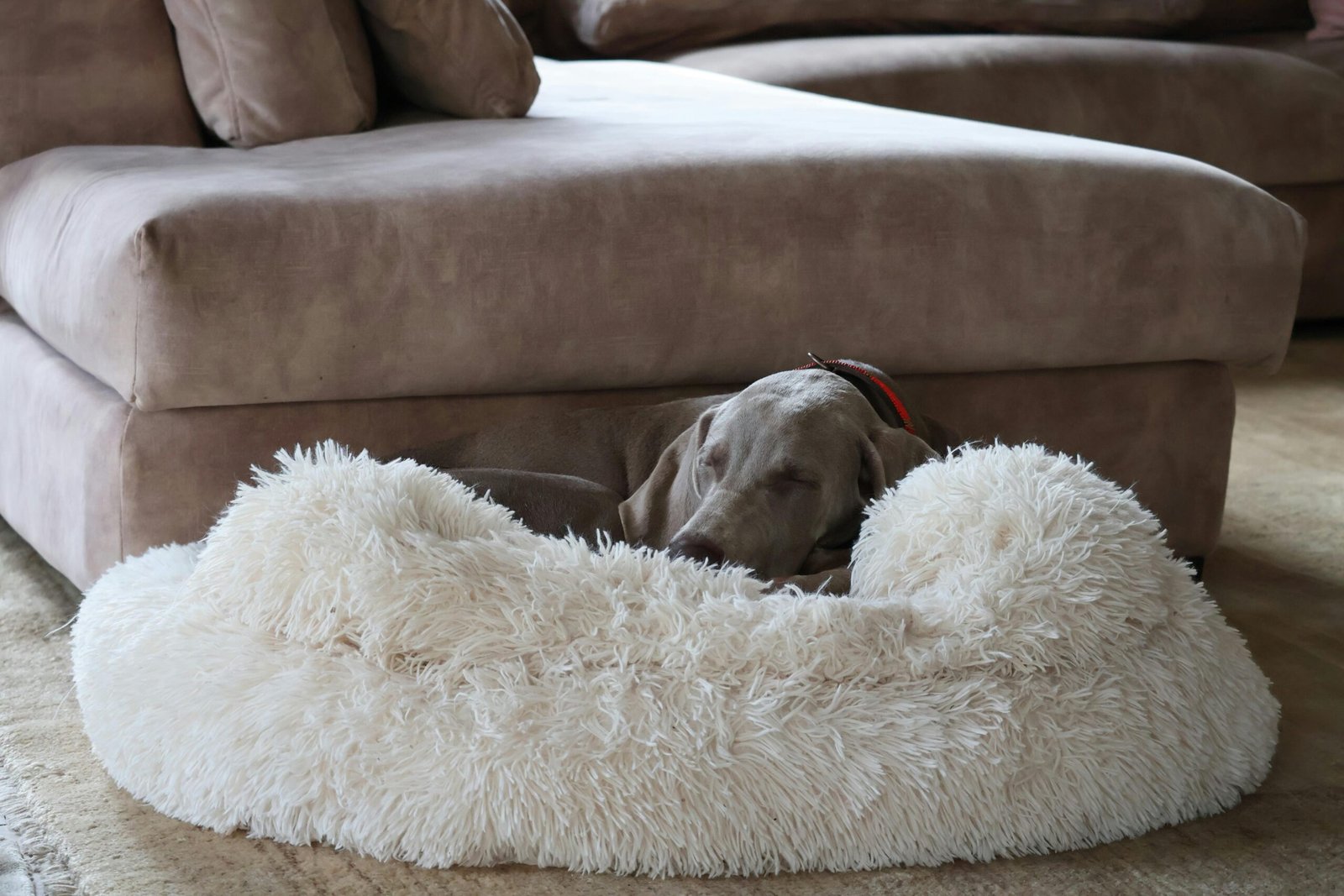
Dog Beds, Choosing the right dog bed is more than just picking a cozy spot. It directly impacts your pet’s comfort, joint health, and even your home aesthetics. Whether you’re shopping for a dog bed small, a dog bed large, or an orthopedic option for seniors, this guide will help you make informed choices. You’ll learn about sizes, shapes, materials, cleaning tips, and expert-backed recommendations, including popular brands like Pelsbarn.
Table of Contents
1. Choosing the Right Size and Shape for Your Dog
A well-sized dog bed ensures proper sleep posture, joint support, and long-term comfort. Small breeds need snug beds, while larger dogs require spacious surfaces to stretch and relax.
Size Guidelines by Dog Weight
- Small beds: ~20″ x 16″ for dogs under 20 lbs (Chihuahua, Yorkie)
- Medium beds: 30″ x 20″ for 20–45 lbs (Cocker Spaniel, French Bulldog)
- Large beds: 36″ x 28″ for 45–80 lbs (Labrador, Golden Retriever)
- Extra-large beds: 48″ x 30″ for 80+ lbs (Great Dane, Mastiff)
Pro tip: Measure your dog from nose to tail and add 6–12 inches for stretching.
Choosing the Right Shape
- Rectangular: Great for sprawlers; fits crates and corners
- Round/Donut: Ideal for curlers; offers a sense of security
- Bolster: Supports head and back; excellent for loungers
- Flat Pads: Easy to clean; versatile for crates and travel
Tip: Puppies and growing dogs may outgrow small beds quickly, so consider future size when buying.
2. Types of Dog Beds and Materials
Dog beds vary in foam density, cover material, and design. Choosing the right one depends on your dog’s size, age, and health needs.
Memory Foam & Orthopedic Beds
High-density memory foam or orthopedic beds support joints, relieve pressure points, and improve sleep quality. Ideal for:
- Senior dogs
- Large breeds prone to hip or elbow dysplasia
Reference: American Kennel Club: Best Orthopedic Dog Beds
Fiberfill Bolsters & Dog Couch Beds
- Plush and cozy, perfect for dogs who like to lean or burrow
- Not as supportive as orthopedic foam, better for young or healthy dogs
Crate Beds & Flat Pads
- Fits inside crates
- Provides comfort and warmth without taking too much space
- Ideal for crate-trained dogs or travel
Bed Covers
- Waterproof: Protects against accidents
- Removable & Machine Washable: Essential for hygiene
- Hypoallergenic: Helps dogs with allergies or sensitive skin
3. Selecting Dog Beds for Health Benefits
Joint Support: Large and senior dogs benefit from firm memory foam beds.
Temperature Regulation: Cooling fabrics or breathable mesh prevent overheating.
Durability: Chewers or active dogs need reinforced seams and tear-resistant fabric.
Tip: Use hypoallergenic covers if your dog suffers from skin issues.
4. Troubleshooting Common Issues
- Dog avoids bed: Check firmness, smell, or location.
- Dog digs or scratches: Use durable covers or add a sacrificial blanket.
- Bed smells: Wash removable covers regularly; use baking soda for odor control.
5. Brand Recommendations
Pelsbarn Dog Beds
- Scandinavian-inspired design
- Orthopedic foam options for seniors or large breeds
- Washable, eco-friendly covers
Other Top Picks
- Casper Dog Bed: Memory foam + bolsters
- Big Barker Orthopedic Bed: Giant size, orthopedic support
- MidWest Pillow Bed: Budget-friendly, removable covers
- PetFusion Ultimate: Orthopedic memory foam, non-skid base
Reference: PetGuide: Best Dog Beds 2025
6. Crate Bed Setup and Maintenance
- Measure crate interior: length, width, height
- Bed thickness: 2–4 inches for joint support
- Anchor bed with non-slip backing
- Wash covers regularly; spot clean for stains
Tip: Avoid stacking pillows in crates to prevent suffocation hazards.
7. Cleaning and Long-Term Care
- Wash removable covers in cold or lukewarm water
- Use pet-safe enzymatic cleaners for stains
- Air dry to prevent shrinkage
- Replace foam every 2–3 years or when flattened
Reference: ASPCA: Dog Bed Cleaning Tips
8. Buying Checklist
- Correct size for dog’s weight and sleep style
- Proper support (orthopedic if needed)
- Washable and durable cover
- Warranty and return policy
- Price-to-value ratio
9. FAQs
Q: How often should I replace my dog bed?
A: Heavy use (daily, large breeds) every 8–12 months; light use every 2 years.
Q: Can small dogs use large beds?
A: Yes, but too much space may feel insecure; bolster edges help small dogs feel cozy.
Q: Are waterproof covers noisy?
A: High-quality covers are quiet; budget options may crinkle.
Conclusion
Selecting the right dog bed combines proper size, supportive materials, and easy-care covers. Orthopedic beds suit seniors and large breeds, while small or crate beds are perfect for puppies or travel. Brands like Pelsbarn and Big Barker offer durable, stylish options. Use our guide, checklist, and recommendations to find the perfect sleeping solution for your pet.